Are Smart Sprinkler Controllers Worth It?
Smart sprinkler controllers promise convenience, better scheduling, and smarter water use. For sod and irrigation customers in Osceola County, FL, the question is simple: will they help your yard actually perform better—especially in Central Florida’s sandy soil and rainy season?
The short answer is that smart controllers are often worth it, but only when they’re set up correctly for your landscape. If you have multiple zones, variable sun exposure, or issues like dry spots and water waste, a smart system can be a strong upgrade.
What a Smart Sprinkler Controller Does
A traditional controller runs on a fixed schedule. You set times and days, and it irrigates whether conditions change or not.
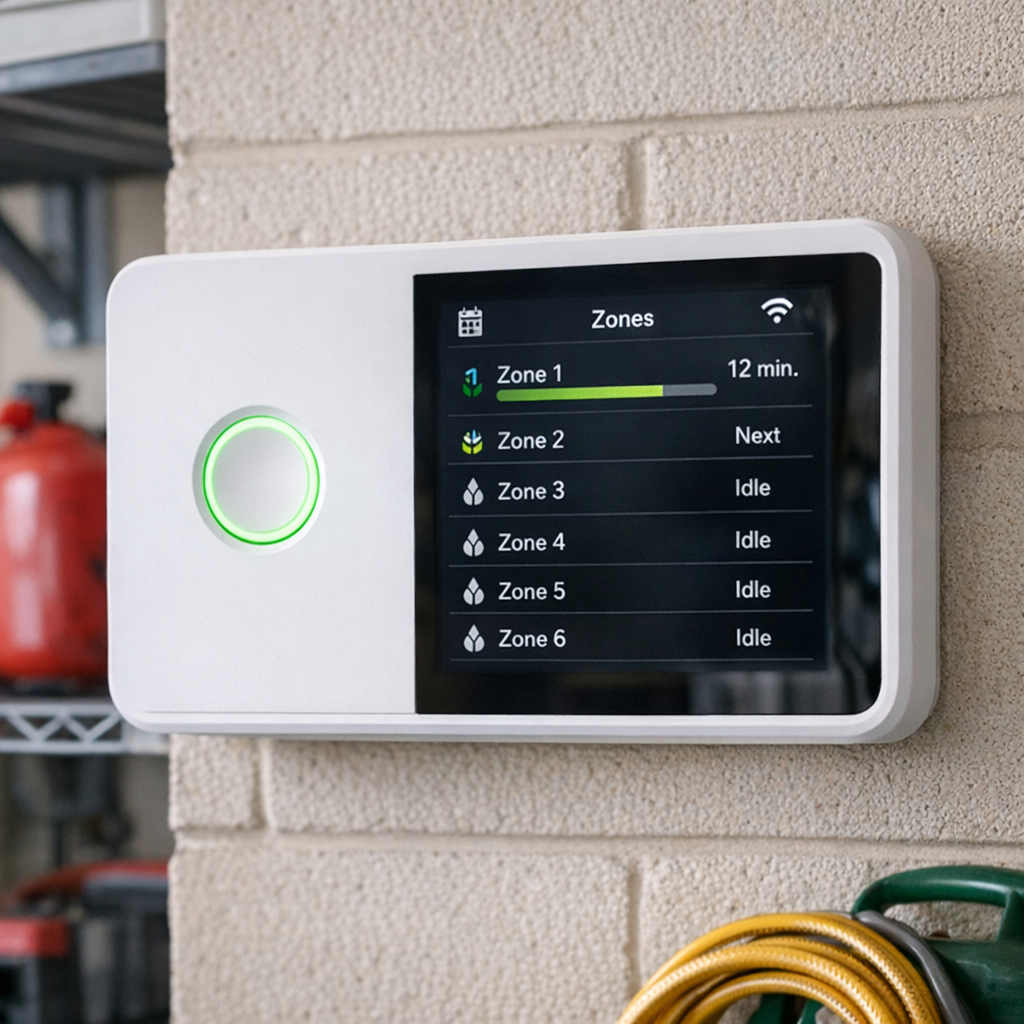
A smart controller adds flexibility. Many models use weather data, soil moisture sensing, and app controls so you can adjust watering without climbing ladders or rewriting schedules.
Weather-Based Adjustments
Central Florida weather swings can be dramatic. Even during the rainy season (May–October), downpours don’t always soak every corner of a property. Smart controllers can reduce or pause irrigation based on local forecasts or rainfall signals.
That helps prevent overwatering, which can lead to runoff, fungus pressure, and soggy soil that suffocates healthy roots. For sod, consistent moisture is important, but too much water is just as harmful as too little.
Remote Control and Alerts
Smart controllers let you manage watering from your phone. If you notice a problem—like a zone that won’t turn on—you can check status and troubleshoot faster.
Some systems also send alerts for sensor issues or unusual activity. That can be valuable for homeowners and property managers who don’t want to wait for the next service call.
Why Osceola County Has Unique Irrigation Needs
Osceola County sits in USDA zones 9b–10a, with hot summers and a rainy season that changes how quickly landscapes dry out. Your lawn and sod also sit in sandy to sandy loam soils, which drain fast.
That combination means irrigation needs can shift week to week. Sandy soil can lose moisture quickly after a dry spell, while heavy rain can cause unnecessary watering if your controller doesn’t adapt.
Sandy Soil Makes “Set It and Forget It” Risky
In sandy soils, water moves through the profile faster than in clay. If you run a fixed schedule, you may end up watering more often than the turf needs.
Smart controllers can reduce that risk by fine-tuning runtime based on conditions. The goal is to water deeply and less frequently, so roots grow stronger instead of staying near the surface.
Rainy Season Doesn’t Mean “No Water Needed”
May through October can bring frequent storms, but rainfall varies across neighborhoods. A controller that ignores real rainfall can still run during storms and cause runoff.
In addition, wind and storm patterns can leave parts of your yard drier than others. Smart systems that respond to weather or rain can help keep irrigation aligned with what the ground actually receives.
Benefits for Sod and Turf Health
If you’re maintaining established sod or installing new turf, controller performance matters. Turf needs the right amount of water at the right time, not just “some water.”
Smart controllers can support better turf outcomes when they’re calibrated to your zones and sprinkler heads.
Better Water Timing for Heat and Evaporation
In Central Florida, midday heat can evaporate water quickly. Smart controllers often allow more precise scheduling and can adjust based on real-time conditions.
Even small improvements can help sod stay hydrated without encouraging shallow root growth.
Reduced Risk of Overwatering
Overwatering is a common issue in Florida lawns. It can create soft ground, increase runoff, and raise the odds of disease.
Smart controllers can lower the chance of overwatering by using weather data and rainfall adjustments. That’s especially useful if you travel, forget to adjust schedules, or don’t want to manually update settings every season.
Are Smart Controllers Worth the Cost?
Smart controllers cost more than basic models. The “worth it” part depends on your property setup and how you use the system.
When Smart Controllers Pay Off
They’re usually worth it if you have:
- Multiple irrigation zones with different sun exposure
- Sandy soil areas that dry faster
- Spots that regularly run too dry or too wet
- A history of watering schedule changes due to weather
- A need for remote access and quick adjustments
If your yard is simple—few zones, consistent exposure, and stable watering needs—basic controllers may be enough. But most Osceola County properties have enough variation to benefit from smarter control.
When They May Not Help Much
Smart controllers won’t fix poor sprinkler coverage, clogged heads, misaligned nozzles, or leaking valves. If water isn’t reaching the turf evenly, “smarter scheduling” can still waste water or leave dry areas.
That’s why many homeowners see the best results after an irrigation tune-up. We often recommend checking sprinkler head spacing, adjusting arcs and patterns, and confirming pressure before switching to a smart controller.
The Most Important Factor: Proper Setup
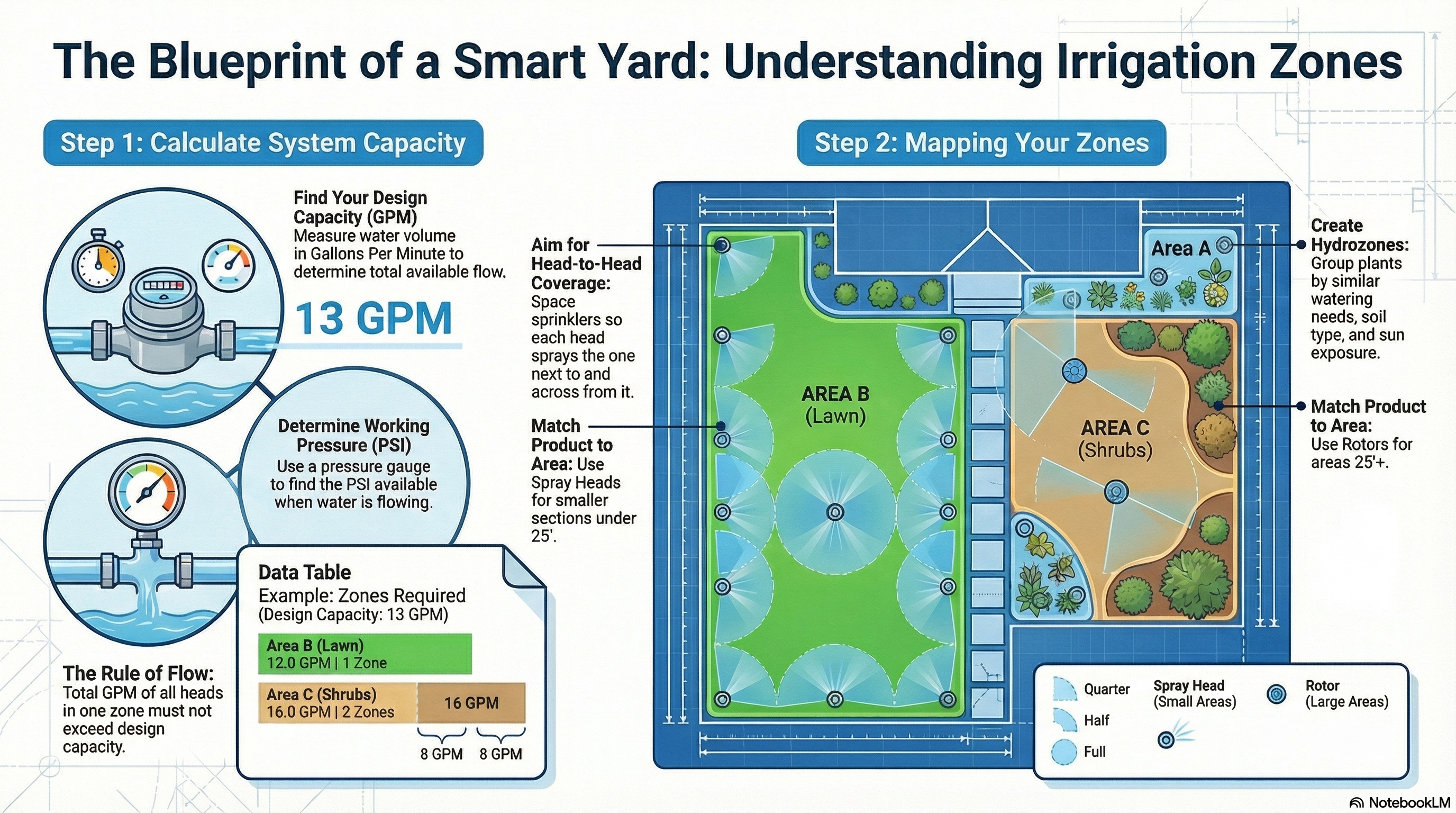
A smart controller is only as good as the settings behind it. That includes zone runtime, nozzle type, precipitation rates, and how your system measures rainfall or soil moisture.
Zone Calibration and Coverage Checks
For Central Florida sod, you want even coverage. During service visits, we often review:
- Which heads are in each zone
- Whether coverage overlaps correctly
- Any broken or misdirected sprinklers
- Pressure consistency across the zone
If your system waters unevenly, a smart controller can’t magically correct it. It can only run the system better.
Soil Moisture Sensors (Optional, But Helpful)
Some smart systems support soil moisture sensors. These can be useful in sandy/sandy loam soil because they measure how wet the ground actually is.
Sensors can reduce watering during rainy periods and help prevent overwatering when the forecast looks dry but the soil is still damp. For sod, that can mean fewer stress cycles and steadier root growth.
Common Smart Controller Features (and What to Look For)
Not all smart controllers work the same way. Before buying, it helps to know which features matter for irrigation in Osceola County.
Rain Delay and Forecast-Based Schedules
Look for controllers that use reputable weather sources and allow rain delay adjustments. Since Central Florida storms can be intense but localized, forecast-based control can reduce unnecessary irrigation.
Manual Override and Watering Adjustments
You should be able to override schedules when needed. For example, after installing new sod, you may need a short-term plan that differs from the normal smart schedule.
Leak Detection and Flow Monitoring
Some systems offer alerts for abnormal flow or valve issues. If you’ve had leaks before, these notifications can help you catch problems early and protect your water bill.
Choosing a Smart Controller for Your Osceola County Property
The best choice depends on your irrigation layout and your priorities. If you want the simplest option with strong automation, choose a controller that supports weather-based scheduling and easy app control.
If you want maximum accuracy, consider sensors and systems that allow local calibration. Either way, we recommend pairing the controller with a professional system review so the watering schedule matches your sprinkler performance.
Partnering With Local Irrigation Experts
A sod and irrigation company that serves Osceola County understands local watering patterns and common system issues. We also know how quickly sandy soil can dry out after rain stops.
When controllers are installed and tuned correctly, they can improve turf health and reduce waste. That’s the real goal: better results, not just more technology.
FAQ
1) Will a smart sprinkler controller save water in Osceola County?
Often, yes. Smart controllers can reduce watering during Central Florida rainy periods and adjust schedules when conditions change. Savings are best when your system has even coverage and is properly calibrated.
2) Do smart controllers work for new sod installations?
They can, but new sod typically needs a short-term watering plan to establish roots. A professional setup can help you transition from establishment schedules to smarter long-term control.
3) Can a smart controller fix dry spots in my lawn?
Not by itself. Dry spots usually come from clogged heads, low pressure, broken components, or poor coverage. After repairs and adjustments, a smart controller can help maintain consistent watering.