faqs:
- question: “What is the best summer watering schedule in Osceola County?” answer: “Early morning in shorter repeat cycles on sandy soil, skipping 24–48 hours after heavy rain. Adjust to sod age and actual sprinkler coverage.”
- question: “Why is one area dry while the system runs?” answer: “Usually clogged or misaligned heads, low pressure in one zone, or heads buried by new sod. A zone-by-zone inspection or catch-can test finds it.”
- question: “Should I just add more minutes?” answer: “Fix coverage first — extra minutes drown covered areas while the gap stays damp. Balance zones before extending run times.”
- question: “Do I need a rain sensor for May–October?” answer: “Yes. It pauses watering after storms automatically, cutting soggy roots, fungus pressure, and wasted water. Call (407) 674-2841 for a check.”
Short answer: water early morning, use shorter repeat cycles on sandy soil, and fix coverage gaps before adding minutes. Most “thirsty” lawns we see have a sprinkler problem, not a schedule problem. Call (407) 674-2841 for a zone check.
Florida summer heat can turn a healthy lawn into a patchy mess fast. In Osceola County, you’re dealing with USDA 9b–10a temperatures, humid air, and a rainy season from May through October. The good news? With a few smart irrigation changes, your sod can stay rooted and green instead of struggling.
Central Florida also has sandy to sandy-loam soil. That soil drains quickly, so water moves through fast. If you irrigate too lightly or too briefly, the roots may not reach deeper moisture where they need to grow.
Quick answer
In Osceola County summer heat, water early morning in shorter repeat cycles, skip 24–48 hours after heavy rain, and fix coverage gaps before adding minutes — most “thirsty” lawns have a sprinkler problem, not a schedule problem. Sandy soil drains fast and forgives no gaps. Call (407) 674-2841 for a zone check.
Know Your Goal: Deep Roots, Not Just Wet Grass
A common mistake is watering often but for too short a time. Short cycles can keep the top inch damp while the deeper root zone stays dry. That leads to shallow roots, faster drying, and more stress during hot afternoons.
Instead, aim for deeper watering that encourages roots to grow down. For new sod, you typically need more frequent watering at first. After establishment, you can reduce frequency and increase effectiveness.
Start with a Simple Watering Check
Before you change schedules, look at how the lawn responds. After irrigation, check several spots across the yard, not just the most convenient one. If water pools in low areas or runs off quickly, you may need shorter cycles or better sprinkler coverage.
Also watch for signs of stress. Wilting, footprints that stay visible, and curled blades can all signal dry conditions. In many Central Florida yards, heat stress shows up early in the day, even if you watered the night before.
Adjust for Osceola County’s Rainy Season
May through October brings frequent rain, but it doesn’t always soak evenly. A quick shower can wet the surface while leaving the root zone too dry. That means you can’t rely on rainfall alone, especially on windy days or during short storms.
Use Rainfall and Soil Clues Together
If your sprinkler system runs during or right after a storm, you may waste water and encourage shallow rooting. Many homeowners in Osceola County keep the same schedule all summer, then wonder why the lawn looks uneven.
Use a simple rule: if you get a meaningful soaking rain, pause irrigation. If rain is light or scattered, keep irrigation on a schedule that matches what the soil actually holds.
Consider Rain Sensors and Smart Controllers
A rain sensor can prevent unnecessary watering when storms roll through. Smart controllers can also adjust based on local weather patterns. While no system is perfect, these tools help reduce guesswork in Central Florida’s shifting summer conditions.
Watering Frequency for Sandy Soil in Central Florida
Sandy soils drain fast, so moisture doesn’t linger. That’s why many lawns in Osceola County need more frequent irrigation than lawns on clay. The exact schedule depends on sod age, sun exposure, and sprinkler type.
New Sod vs. Established Sod
New sod needs consistent moisture to help roots connect to the soil. For the first weeks, you’ll usually water more often, then gradually space out irrigation as roots grow.
Established lawns can handle longer gaps between watering, as long as you water deeply enough. When heat spikes, you may need to add a cycle or extend run time slightly.
If you’re unsure about your sod stage, a local sod and irrigation team can help you dial in a plan for your specific yard.
Set Run Times the Right Way (Not Just by Minutes)
Run time matters as much as frequency. Two sprinklers can run for the same number of minutes and deliver very different results. Pressure, nozzle type, head spacing, and wind all affect how much water your lawn actually receives.
Use Catch Cans to Measure Coverage
A quick DIY test can save you a lot of trial and error. Place several catch cans (or tuna cans) around your yard and run your system for a set time. Compare how much water each can collects.
If some areas collect much less, you may have clogged heads, misaligned spray patterns, or coverage gaps. Sandy soil makes these problems show up faster because dry patches become stressed quickly.
Watch for Wind and Over-Spray
Florida afternoons can be breezy, and wind can push mist off target. That means the lawn might not get the water you think it’s receiving. If you notice overspray on sidewalks or driveways, you’re losing water and not helping the sod.
Adjust heads so spray stays on grass. Replace worn nozzles if they’re producing weak, uneven streams.
Best Time to Water in Florida Summer Heat
Timing affects evaporation. Watering in the heat of the day increases loss to evaporation and can leave the lawn thirsty again soon after.
Water Early, Not Late
Many Osceola County homeowners see better results with early morning irrigation. Morning watering helps reduce evaporation and lets grass dry more evenly later. Late-night watering can also increase the chance of fungal issues in humid conditions.
If you’re using a schedule, keep it consistent. Sudden changes can confuse the root zone, especially for new sod.
Avoid Common Irrigation Mistakes
Even well-meaning schedules can cause problems. Summer heat makes these mistakes show up faster, especially on sandy soil.
Don’t “Top Off” All Day
Frequent short watering can keep the surface wet but the roots shallow. That’s the opposite of what you want in Central Florida. Instead, focus on watering deeply and allowing the root zone to build stronger access to moisture.
Don’t Ignore Broken Heads and Leaks
A small leak can waste water and still leave parts of the lawn dry. Underground breaks are common when sprinkler lines shift over time. If certain zones always look worse, check for clogged heads or failing valves.
A routine irrigation inspection can catch these issues before they damage sod or waste money.
How to Handle Heat Waves
When temperatures spike, your irrigation plan may need a temporary boost. Rather than watering much more every day, make smarter adjustments.
Increase Effectiveness, Then Monitor
During a heat wave, you may add a short additional cycle or slightly extend run time, depending on soil response. After you adjust, watch the lawn 24–48 hours later.
If the grass stays firm and color holds, you likely found the right balance. If it still wilts quickly, you may need coverage repairs or a deeper watering approach.
Don’t Overcorrect
It’s easy to keep increasing irrigation because the lawn looks thirsty. But overwatering can lead to runoff in sandy zones and create weak roots. Aim for consistent moisture, not constant saturation.
Keep Your System in Shape Through the Summer
A reliable system is your best defense against Florida summer stress. The goal is uniform coverage and correct schedules for your yard.
Do a Seasonal System Tune-Up
Before the hottest months, check the basics. Test each zone, confirm head alignment, and clean clogged nozzles. Verify that valves open and close properly so zones don’t run longer than needed.
If you’ve added landscaping or changed sprinkler coverage, update the system settings. Central Florida yards often change quickly, and irrigation needs to keep up.
Adjust for Sun and Shade Changes
Trees grow, and the sun angle changes through the seasons. In Osceola County, afternoon shade can shift during summer. If a previously sunny area becomes shaded, you may not need as much water there.
Review your zones and make small seasonal tweaks. Over time, these adjustments help your lawn stay even and healthy.
FAQ
How often should I water sod in Osceola County during summer?
New sod usually needs more frequent watering than established grass, especially on sandy soil. A typical approach is multiple short sessions early on, then gradually fewer, deeper cycles as roots form. Your exact schedule depends on sod age and sprinkler coverage.
What’s the best time of day to run sprinklers in Central Florida?
Most lawns do best with early morning watering. This reduces evaporation and helps keep moisture consistent through the day’s heat.
Why does my lawn look dry in one area even though the system runs?
Common causes include clogged or misaligned sprinkler heads, low pressure in one zone, broken underground lines, or coverage gaps. A quick catch-can test or zone-by-zone inspection can pinpoint the issue.
Summer system check in Osceola County
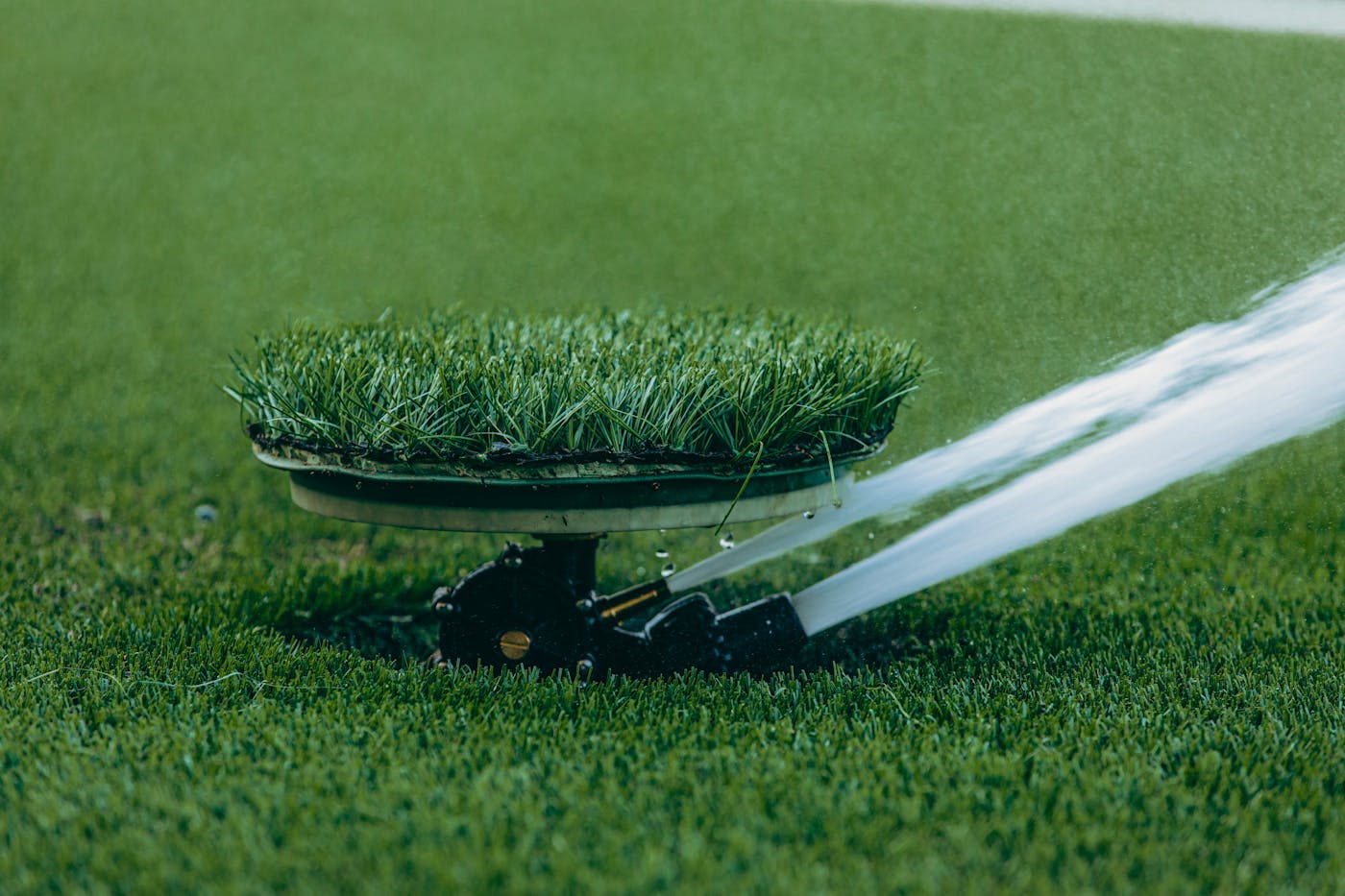
What our crew sees every June: one clogged nozzle or a head buried by new sod edge, and a whole strip goes straw-colored while the rest looks fine. We tune coverage, balance zones, and set a summer schedule — or install a system that covers right from day one. Call (407) 674-2841.
When to call
Call (407) 674-2841 when one strip stays straw-colored, a zone runs weak, heads sit below grade after sod, or the timer still waters through storms. Say your city and whether water is city or well. Or start at get a sod quote.