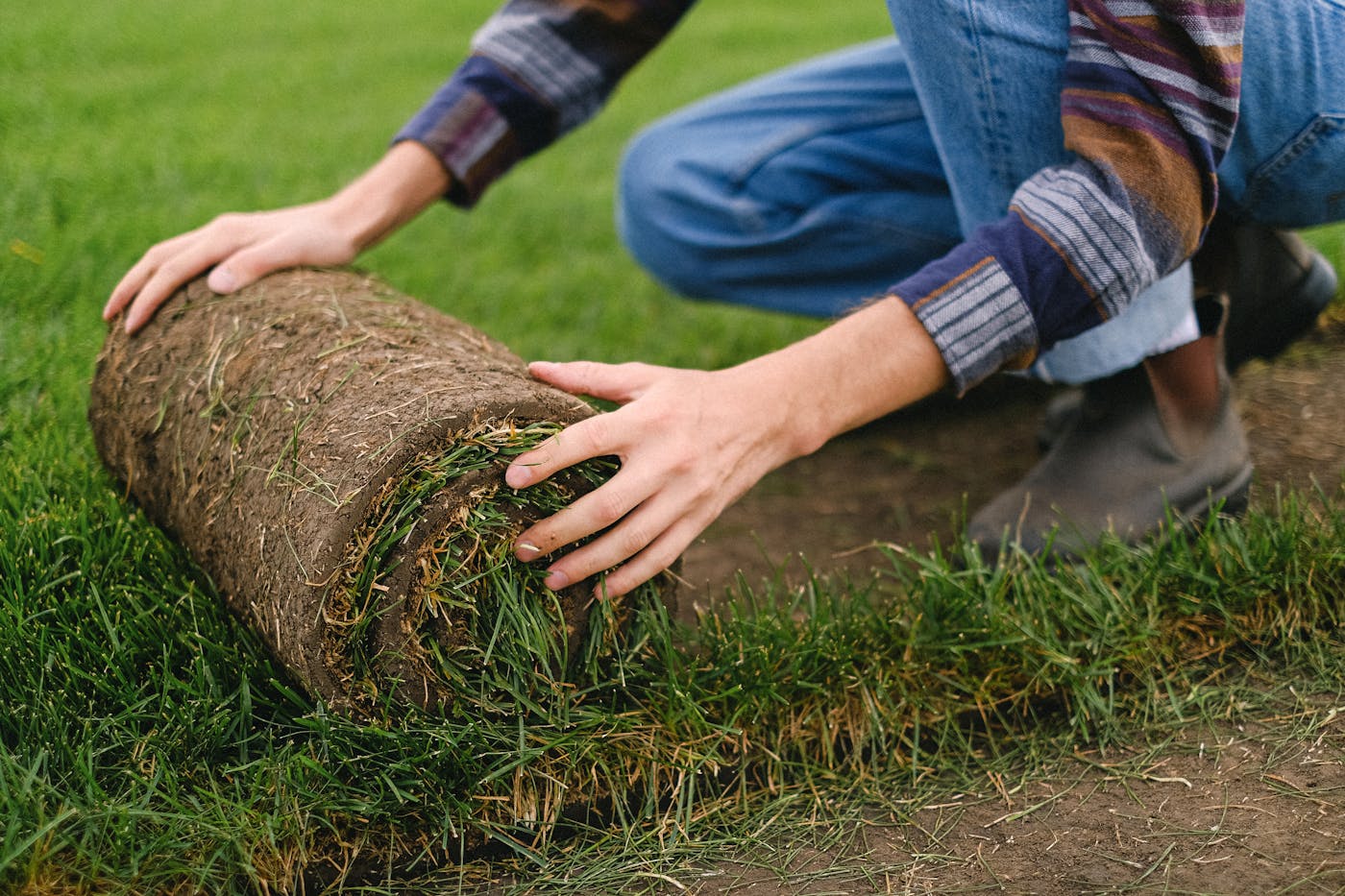
Sod Installation in Osceola County, FL: Professional Lay Sod for Homes and Businesses
If you want a lush lawn fast, sod installation is one of the quickest options for Osceola County homeowners and property managers. With the right turf, proper grading, and solid base prep, new sod lawn areas can look great in days instead of months. It also helps reduce erosion on slopes and fills in bare spots after construction.
Sandy soils, hot summer temperatures, and a rainy season that runs from May through October all affect how sod takes root. That’s why turf installation should be planned around local weather, water patterns, and the Osceola County Land Development Code. A professional crew also knows how to match grass types to sun exposure, traffic, and your maintenance routine.
Why Sod Installation Works Great in Osceola County
Osceola County sits in USDA climate zones 9b to 10a, which supports warm-season grasses. These grasses grow best when temperatures are consistently warm, so sod often establishes well during the growing months. The key is timing, soil preparation, and watering correctly after installation.
Sod also offers a smoother, more uniform finish than seeding. That matters for new builds, landscaping upgrades, and commercial properties that need curb appeal quickly. For many lots, sod replacement is the cleanest way to repair thin or patchy lawns.
Local Conditions That Affect Lay Sod Success
Sod can look perfect on day one and still fail later if the site conditions aren’t handled properly. Osceola County’s sandy/sandy loam soil drains faster than clay, which means water management is critical. If the base is too dry, roots can struggle to anchor.
Sandy Soil Requires Strong Base Preparation
Sandy soil can be light and easy to work with, but it doesn’t hold moisture well. During turf installation, pros usually focus on creating a stable base that supports root growth. That can include adding soil amendments, improving grade, and ensuring the area is firm enough to prevent settling.
A common issue is “soft spots” where the ground was disturbed during construction. If the subgrade isn’t compacted, sod can shift after irrigation cycles. That leads to gaps, uneven growth, and faster drying.
Rainy Season Can Help—or Hurt
From May to October, heavy rain is common in Central Florida. Rain can speed up establishment, but it can also cause washouts if grading is off or if the soil is loose. Over-saturation can reduce oxygen in the root zone, especially if the site drains poorly in certain pockets.
Professional installers plan for both scenarios. They check drainage flow, verify slope, and coordinate watering so the new sod stays consistently moist without staying soggy.
Heat Stress Is Real in USDA 9b–10a
Warm-season grasses handle heat well after they’re established. However, newly laid sod is vulnerable during the first couple of weeks. If the turf is installed and then left to dry out, you can see curled edges and browning.
That’s why lay sod projects should include a clear watering plan. The goal is to keep the sod and the soil underneath evenly moist while roots begin to grow.
Choosing the Right Grass Types for Osceola County
The best sod installation starts with matching grass type to your yard conditions. In Osceola County, several warm-season options are common, and each has different strengths.
St. Augustine Sod for Shade and Lush Coverage
St. Augustine is a popular choice across Central Florida because it forms a thick, attractive lawn. It also tolerates partial shade better than many other grasses. For many residential properties, St. Augustine sod creates a classic, dense look.
If your lawn has trees or buildings that block afternoon sun, St. Augustine is often a strong fit. It can also work well for areas that need quick coverage, such as sod replacement patches.
Bahia Grass for Tough, Sun-Heavy Areas
Bahia grass is known for durability and can handle full sun well. It’s often used where homeowners want a hardy lawn that stands up to heat and traffic. Bahia can be a practical option for some commercial landscapes too.
Because Bahia can spread and fill in over time, it may be a good choice for open areas. The exact variety and maintenance plan matter, especially if you want a specific texture and color.
Zoysia Sod for a Dense, Fine Texture
Zoysia is valued for its dense growth and its ability to resist some wear. It can create a neat, carpet-like lawn when cared for properly. Many people like Zoysia because it often looks more uniform and refined.
Zoysia can also be a good option for landscaped areas where you want a tighter appearance. As with all turf installation, consistent watering during establishment is important.
Hybrid Options and Blends
Some properties use blends or hybrid selections depending on sun exposure, soil conditions, and maintenance goals. A local sod supplier or installer can recommend which type performs best in your specific microclimate. That includes yards with more shade, windy corners, or heavy foot traffic.
Sod Installation vs. Seeding: What to Expect
Seeding is often slower, and results can vary based on germination and watering. Sod gives you instant coverage, which is a major advantage for curb appeal and erosion control. If you’re dealing with a new sod lawn area after construction, sod installation usually provides a cleaner finish faster.
Sod also reduces the “bare soil” time that can lead to weeds. In Osceola County, weed pressure can increase when soil is exposed. With sod replacement, you can cover problem areas quickly and reduce the chance of erosion.
Step-by-Step: How Professional Lay Sod Is Done
A high-quality sod installation is more than rolling out turf. It’s a sequence of preparation, placement, and follow-up care that helps roots establish in the sandy soil.
1) Site Assessment and Turf Planning
A professional installer evaluates the site before any sod is delivered. They look at sun exposure, drainage patterns, slopes, and existing turf health if you’re doing sod replacement.
They also check for obstacles like irrigation heads, sprinkler coverage, and any required adjustments. This planning helps avoid issues after the sod is laid.
2) Grade and Base Preparation
Next comes grading and base prep. The goal is a firm, level surface that supports the sod and prevents settling. Installers remove debris, break up clumps, and correct low spots.
For sandy/sandy loam areas, improving the base helps the sod hold moisture longer. That can include incorporating amendments and ensuring the soil is not overly loose.
3) Soil Testing and Amendments (When Needed)
Soil testing isn’t always required for every job, but it can be helpful for long-term success. If your lawn has persistent yellowing or thinning, nutrients may be off balance.
In Central Florida, sandy soils often benefit from targeted fertilization. A professional plan can help you avoid over-applying and wasting money.
4) Installing the Sod Correctly
During lay sod, installers typically stagger seams like brickwork. This reduces gaps and helps the turf knit together quickly. They also pay attention to edges near sidewalks, curbs, and landscaping borders.
Sod should be installed promptly after delivery. Waiting too long can dry out the turf rolls and reduce root viability.
5) Rolling and Securing Contact
Once the sod is in place, rolling helps establish good soil-to-root contact. This step matters because roots need close contact with the base to anchor. It also helps reduce air pockets that can dry out the sod.
6) Initial Watering and Establishment Care
Watering is the make-or-break part of turf installation. The first weeks are when roots grow into the soil. With sandy soil, you may need more frequent, shorter cycles early on, then gradually adjust.
A good watering plan depends on weather and the specific grass type. During the rainy season, installers still monitor moisture levels so the sod doesn’t stay too wet.
7) Follow-Up Inspections
Many reputable crews schedule a check-in after installation. They look for lifting edges, dry spots, and uneven growth. If you notice issues early, adjustments are easier.
This is especially important for commercial properties where landscaping is expected to look consistent. Fast corrections can prevent a full section of sod from failing.
Turf Installation for Residential Properties
Residential sod installation often focuses on appearance, playability, and ease of maintenance. Many homeowners in Osceola County want a lawn that looks great for outdoor gatherings and everyday use.
Ideal Uses for New Sod Lawns
New sod lawn areas work well for:
- Front yards that need curb appeal
- Backyards for pets and children
- Side yards that were damaged during construction
- Landscaping upgrades around patios and pools
If your yard has bare patches, sod replacement can also be a good way to restore uniform coverage. Instead of reseeding an entire area, you can target specific problems.
Practical Tips for Homeowners
Plan for a short establishment period. Avoid heavy traffic on new sod until it’s rooted. If you have sprinklers or irrigation timers, confirm they cover the entire area evenly.
Also, keep an eye on edges. Edges dry out faster than the middle, especially in breezy areas near lakes or open fields.
Turf Installation for Commercial Properties
Commercial landscaping needs to look good consistently and recover quickly from wear. Sod installation is often chosen for business entrances, offices, and retail centers.
Key Benefits for Businesses
A new sod lawn can:
- Improve first impressions for customers
- Reduce erosion near walkways and parking areas
- Fill in landscaping gaps quickly
- Support brand standards for appearance
For property managers, sod replacement can be planned around tenant schedules and maintenance windows. That reduces downtime and keeps the site presentable.
Maintenance Expectations
Commercial turf installation still requires care during establishment. A clear plan for watering, mowing timing, and fertilization helps keep the lawn uniform.
Some facilities also need to coordinate with irrigation schedules. If sprinklers are misaligned, you may see dry rings or uneven growth across the property.
Osceola County Land Development Code: What to Know
Local rules matter when installing landscaping on certain sites. Osceola County’s Land Development Code may include requirements related to land disturbance, drainage, and site improvements. For projects tied to new development or permit conditions, it’s smart to confirm expectations before work starts.
If your property is part of a permitted development, the grading and drainage plan may already be set. Sod installation should follow those plans so you don’t create runoff issues or alter drainage patterns. A professional installer can help your project stay aligned with site requirements.
Preventing Common Sod Installation Problems
Many sod failures aren’t caused by the turf itself. They’re usually linked to preparation, watering, or timing. Here are the most common issues seen in Osceola County and how to avoid them.
Problem: Dry, Browning Edges
This often happens when edges dry out faster than the rest of the lawn. Sandy soil can intensify the issue because it drains quickly.
Solution: Water the entire area evenly, and pay extra attention to perimeter zones near sidewalks and walls.
Problem: Gaps Between Rolls
Gaps can form if sod is laid too loosely or if the base is uneven. Settling can also create separation over time.
Solution: Ensure seams are tight during lay sod and keep the surface firm before installation.
Problem: Lifting or Rolling Up
If sod doesn’t have good contact with the base, roots won’t anchor. That can make sections lift after watering or rain.
Solution: Use proper rolling and confirm the soil is firm enough to support root growth.
Problem: Patchy Growth
Patchy lawns can result from uneven irrigation coverage or inconsistent watering during establishment. It can also come from low spots that hold water too long.
Solution: Check sprinkler coverage and monitor moisture after installation, especially during the rainy season.
Problem: Weed Growth Through Turf
Weeds may show up if the area wasn’t properly cleared or if the base was disturbed. Some weeds can also germinate if bare soil remains.
Solution: Remove debris and control weeds before turf installation. Keep the base clean and stable.
Watering and Maintenance After Sod Is Laid
Proper care helps your new sod lawn transition from “fresh turf” to a stable, rooted lawn. In Osceola County, watering schedules should reflect sandy soil and typical weather patterns.
Early Establishment (First 2–3 Weeks)
During the first weeks, the sod should stay consistently moist. The goal is to keep the sod and the top layer of soil wet enough for roots to grow.
Avoid letting the turf dry out completely. Also avoid overwatering so the soil becomes muddy or stays saturated.
After Roots Set (Weeks 4–8)
As the lawn establishes, you can gradually reduce watering frequency. The key is to encourage deeper root growth. Many lawns improve once watering is less frequent but more thorough.
If your lawn feels spongy or stays wet for long periods, you may need to adjust. If it looks dull or footprints remain visible quickly, you may need more water.
Mowing Timing and Height
Wait until the sod has rooted before mowing. Cutting too early can stress the grass and slow rooting. When you do mow, keep a sensible mowing height for warm-season grasses.
For St. Augustine and Zoysia, mowing height impacts density and stress tolerance. Bahia may also respond best within recommended ranges for its growth habit.
Fertilization and Soil Feeding
Fertilizer helps turf fill in and thicken over time. Your exact schedule depends on grass type, soil condition, and sun exposure.
Because sandy soils can lose nutrients faster, targeted feeding can make a difference. A professional can suggest a plan that matches your lawn’s needs without overloading it.
When to Schedule Sod Installation in Osceola County
Timing affects establishment and long-term performance. Because Osceola County has a warm climate, warm-season grasses typically establish best during active growth periods.
Best Timing for New Sod Lawn Projects
Many homeowners plan installs so roots can develop before peak stress periods. However, sod installation can still be successful during the rainy season if drainage and watering are managed correctly.
Your installer can recommend a schedule based on your grass type and the current weather pattern. For example, if you’re installing late in a hot stretch, watering and shade considerations become even more important.
Planning Around Construction and Landscaping
If you’re doing a larger landscaping project, coordinate sod installation with grading, irrigation, and final landscaping touches. Installing sod after final grading helps avoid lifting and rework.
For commercial sites, scheduling can align with business downtime. This reduces disruption and helps the lawn look its best sooner.
How to Choose a Sod Installation Contractor Near You
Not every contractor follows the same process. When comparing options, ask questions about preparation, watering plans, and grass selection.
Questions to Ask Before You Hire
- What grass types do you recommend for my sun and soil conditions?
- How do you prepare the base for sandy/sandy loam soil?
- What watering schedule do you provide for the first weeks?
- Do you check drainage and grading before lay sod begins?
- Do you follow up after installation to spot issues early?
A reputable installer should be clear about each step. They should also explain what you need to do as the homeowner or property manager to protect the investment.
Cost Factors in Sod Installation and Turf Installation
Sod installation costs vary based on several factors. Understanding these can help you plan your budget.
Common Cost Drivers
- Square footage and site complexity
- Grading needs and base preparation
- Grass type (St. Augustine, Bahia, Zoysia, etc.)
- Accessibility for sod delivery and equipment
- Irrigation adjustments or turf borders
- Timing and weather conditions
If you need sod replacement, the scope of the damaged area affects pricing. Cutting out failing sections and preparing transitions can add labor, but it’s often cheaper than replacing an entire lawn.
FAQ: Sod Installation in Osceola County, FL
1) How long does it take for sod to root in Osceola County?
Most sod begins rooting within the first 1–2 weeks, but strong rooting typically takes 3–6 weeks depending on heat, rain, and watering. Your installer’s watering plan plays a big role, especially with sandy soil.
2) What’s the best grass type for a new sod lawn in Osceola County?
St. Augustine is popular for dense coverage and partial shade. Bahia can work well for full sun and durability, while Zoysia is known for a dense, fine texture. The best choice depends on your light levels, traffic, and maintenance preferences.
3) Do I need to water sod every day after installation?
In the early establishment phase, many lawns need frequent watering to keep the sod and topsoil consistently moist. The exact schedule varies by weather and irrigation coverage, so it’s important to follow a plan tailored to your site.
4) Can I do sod replacement in only part of my yard?
Yes. Sod replacement is often done in specific failing sections, especially when the rest of the lawn is healthy. Professionals will match grass type and manage transitions so the lawn blends naturally.
5) What should I do if it rains a lot after my sod installation?
Rain can help, but too much water can also cause saturation problems if drainage is poor. You should still monitor the lawn, and if you notice pooling or lifting, contact your installer to adjust irrigation and check grading.
6) Does Osceola County require permits for sod installation?
Sometimes, especially if the work is tied to permitted development, drainage changes, or land disturbance. If your project involves a new build or site modifications, confirm requirements under the Osceola County Land Development Code before starting.
7) When can I mow my new sod lawn?
You should wait until the sod is rooted and can handle mowing without tearing. Many lawns are ready after a few weeks, but the best timing depends on grass type and how well it’s establishing.
If you’re ready for a clean, fast, and durable new sod lawn, a professional turf installation plan can help you get the results you want in Osceola County.