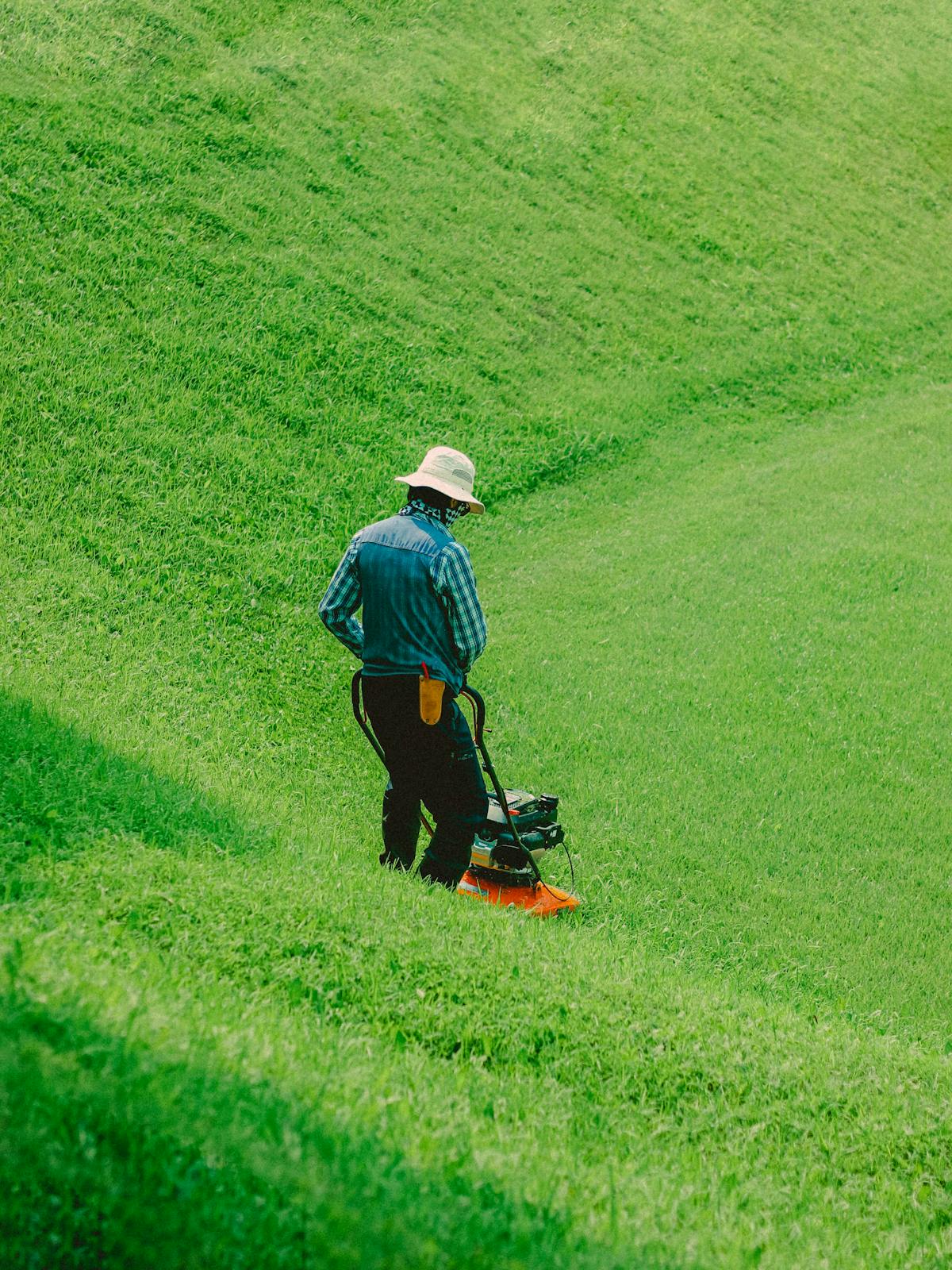
Lawn Grading in Osceola County, FL: Precision Yard Grading for Better Drainage and Sod
Standing water after storms is more than a nuisance—it can damage grass, create muddy ruts, and turn your yard into a mosquito hotspot. For homeowners across Osceola County, FL, the fix often starts below the surface with proper lawn grading. Precision yard grading helps move water away from your home and builds an even foundation for sod.
In Central Florida, your soil and weather pattern matter. Many properties in Osceola County sit on sandy or sandy loam soils that drain quickly, yet low spots and uneven slopes can still trap water during the May–October rainy season. The goal of land leveling isn’t “level at all costs.” It’s the right slope and correct elevations so water flows where it should—without washing out topsoil.
Why Lawn Grading Matters in Osceola County
Lawn grading is the process of shaping your yard to correct low areas, smooth out bumps, and guide stormwater. Done right, it reduces standing water, limits erosion, and helps sod root evenly. Done poorly, it can create new drainage problems that show up months later.
Standing Water, Mud, and Root Stress
When water pools, grass roots can’t breathe. Even drought-tolerant turf struggles when it stays wet too long. You may notice thinning patches, fungus, or a “squishy” feel after rain.
Better Drainage Through the Rainy Season
Osceola County’s rainy season runs from May to October. Heavy downpours can overwhelm minor grading issues fast. With proper soil grading before planting, your lawn handles storms more consistently.
A Stable Base for Sod
Sod needs firm, even contact with the soil. If your yard has dips, ridges, or loose fill, sod can bridge gaps and dry out at edges. Land leveling creates a consistent base so sod rolls out flat and grows in evenly.
Understanding Local Soil and How It Affects Grade Yard for Sod
Your soil type influences how grading should be planned and executed. In Central FL, sandy and sandy loam soils are common. They drain faster than clay, but they can also shift if topsoil is thin or if grading disturbs underlying layers.
Sandy/Sandy Loam: Quick Drainage, Uneven Results
Sandy soils may drain well on paper, yet low spots still collect water. Those low areas can form from settling, previous landscaping, or construction activity. Yard grading targets the elevation differences so water doesn’t “pool then soak.”
Compaction and Root Contact
For grade yard for sod, the goal is firm support under the turf. If the soil is too loose, sod can sink after mowing or rainfall. If it’s over-compacted, roots may struggle to expand. A good grading plan balances both.
Topsoil Depth and Washout Risk
During tropical storms, loose, unprotected soil can wash downhill. That’s why land leveling should include erosion control and a plan for grass establishment. Your contractor should consider how water will move across the property—not just where it should end up.
Lawn Grading vs. Land Leveling: What’s the Difference?
People often say “level the yard,” but grading is about direction and drainage, not absolute flatness. Land leveling is one part of the process; the bigger objective is creating correct slopes.
Correct Slope Beats Perfect Flatness
Most lawns should slope gently away from structures and toward appropriate drainage areas. If you make the entire yard perfectly level, water may not have a path to flow. Precision land grading creates a smooth slope that drains reliably.
Yard Grading Includes Elevation Adjustments
A proper project doesn’t just fill low spots. It may remove excess material, reshape contours, and ensure consistent transitions. This reduces the chance of new low points forming after the first wet season.
Common Problems Lawn Grading Solves in Osceola County
Every yard has its own quirks, but several issues show up again and again around Kissimmee, St. Cloud, and surrounding areas.
Low Spots Near Driveways and Patios
Concrete slabs can create subtle depressions at the edges. After rain, those areas may hold water long enough to stain surfaces. Lawn grading can lift and reshape the slope so runoff moves away.
Uneven Yard Transitions After Landscaping
Previous projects—mulch beds, tree removal, or garden additions—can leave uneven ground. If you’re planning new sod, those transitions can cause lifting and patchy growth. Soil grading helps create a smooth “sodding surface.”
Drainage Toward the House
Sometimes water naturally flows toward the home due to prior settlement or landscaping. That can lead to dampness around foundations and walkways. Yard grading can redirect flow while still meeting local requirements.
The Lawn Grading Process (What to Expect)
A quality lawn grading job follows a clear sequence. You want a contractor who plans the elevations, prepares the ground, and protects the site during the rainy months.
1) Site Assessment and Drainage Plan
The process starts with a walk-through and evaluation of how water currently moves. Expect questions about downspouts, existing swales, low areas, and where water ends up after storms. Your contractor should also consider how grading will affect runoff across property lines.
2) Measuring Existing Elevations
Precision matters. Professionals typically use grade stakes, measuring tools, or laser equipment to map the yard. This step helps determine how much material to remove or add and where the slope should go.
3) Soil Preparation and Removal
If the yard has bumps, roots, or compacted areas, those sections may need removal or loosening. In sandy soils, improper preparation can cause fill to settle unevenly later. Proper prep sets the stage for stable land leveling.
4) Adding or Moving Soil (Soil Grading)
Soil grading may involve bringing in screened topsoil, leveling sand, or a mix designed for turf establishment. The key is consistent thickness and proper blending with existing soil. For sod, the base should be firm enough to support foot traffic without sinking.
5) Compaction and Surface Smoothing
After the grade is set, the surface is smoothed and compacted in a controlled way. Over-compaction can be just as harmful as under-compaction. A good crew checks the surface so sod lays flat without rocking.
6) Final Check for Drainage and Sod Readiness
Before sod goes down, the yard should drain as intended. The surface should be smooth, with no sudden dips or ridges. If you’re installing sod in Osceola County during the warmer months, timing matters so roots establish before the heaviest rains.
Best Grass Types for Osceola County Lawns
Choosing the right turf helps your yard perform after grading. Your grass type should match Florida’s heat, humidity, and mowing needs.
St. Augustine Grass (Popular in Central Florida)
St. Augustine is common in Osceola County due to its shade tolerance and overall durability. After lawn grading, it typically establishes well when the base is even and drainage is correct. It’s a strong option for many homeowners who want a lush, traditional look.
Bahia Grass (Drought-Tolerant and Tough)
Bahia grass can handle heat and sandy soils well. If your lawn grading creates consistent drainage without pooling, Bahia often performs reliably. It’s also a good choice for areas where you want lower maintenance.
Centipede Grass (Low Maintenance, Slower Growth)
Centipede is another common turf in the region. With proper soil grading, it grows evenly and fills in nicely over time. It’s best when you keep the surface smooth and avoid scalping during mowing.
Zoysia Grass (Dense and Turf-Strong)
Zoysia can form a thick carpet, which helps reduce erosion. After grade yard for sod, Zoysia benefits from a firm base and consistent slope. It’s a solid choice when you want a durable lawn that holds up under regular use.
Note: Your best choice depends on sun exposure, foot traffic, and whether parts of your yard stay wet after storms.
Timing Matters: Grading Before You Lay Sod
The rainy season in Osceola County runs from May through October, so scheduling is important. If you grade too close to heavy rains, soil can wash or settle before sod is installed.
Ideal Windows for Soil Grading
Many homeowners plan grading and soil prep ahead of sod installation, then finalize the surface shortly before laying turf. This helps reduce the time the exposed soil is vulnerable to erosion. A good contractor will also coordinate with weather patterns.
Why Freshly Graded Soil Needs a Plan
Newly graded areas can shift if they’re left bare for too long. Sandy soil can move quickly in heavy storms, especially on slopes. That’s why erosion control and careful timing are part of a professional job.
Building Codes and Permits: Osceola County Land Development Code
Stormwater rules aren’t optional. Osceola County’s Land Development Code includes requirements that help manage drainage and protect surrounding properties. If your grading affects stormwater flow, your project may need to follow specific guidelines.
What This Means for Homeowners
Even when you’re only working on a yard, grading can change how water runs off the lot. Your contractor should be familiar with local expectations and help you avoid problems with compliance. If permits or inspections apply, it’s better to address them early than after construction begins.
Protecting Neighboring Properties
Improper yard grading can push water toward fences, sidewalks, or neighboring lots. That can lead to damage claims and disputes. Precision land grading focuses on safe, controlled runoff paths.
(For exact requirements, confirm with Osceola County or your contractor’s compliance team.)
Practical Tips for Better Results (Before and After Grading)
You can protect your investment with a few smart steps.
Clear the Area and Plan for Access
Before work starts, remove items that can block equipment access. Mark sprinkler heads and irrigation lines so crews don’t damage them. If you have pets, keep them secured during the grading period.
Ask About Erosion Control
Even with sandy soils, heavy rainfall can cause ruts and sediment movement. A contractor should discuss how they’ll manage erosion during the May–October rainy season. This is especially important if your yard has any slope.
Don’t Rush Sod Installation
After soil grading, the surface needs to be ready for turf. If you lay sod on a base that hasn’t settled or firmed up, you may get uneven patches. A quick final inspection helps catch issues early.
Watering After Sod
New sod needs consistent moisture, but not puddling. Your irrigation schedule should support root establishment without creating standing water. If you notice pooling, pause and address drainage before it becomes a turf problem.
Choosing a Contractor for Lawn Grading in Osceola County
Not all grading services are equal. Lawn grading affects drainage, turf health, and long-term stability, so quality matters.
Look for Precision and Documentation
Ask how they measure elevations and how they confirm drainage. A professional contractor can explain the slope plan and show how the yard will drain. If they can’t describe the process clearly, that’s a red flag.
Experience With Central Florida Turf
Grading for sod isn’t the same as grading for a driveway. You need someone who understands turf establishment and soil base requirements. The best crews know how sandy/sandy loam behaves after rain.
Check References and Local Project Examples
Request photos of completed yard grading jobs in Osceola County. References help you confirm the contractor’s workmanship and reliability. If possible, talk to past customers about how the yard performed after the rainy season.
Cost Factors for Lawn Grading and Yard Grading
Pricing varies based on the yard’s size and how much correction is needed. Some projects are straightforward; others require major recontouring.
What Affects the Price
- Amount of material to remove or add (low spots vs. high spots)
- Yard size and complexity (curves, beds, and transitions)
- Soil conditions (sandy vs. mixed materials, compaction levels)
- Access and equipment needs
- Erosion control requirements during the rainy season
- Sod timing and coordination with turf installation
Getting Accurate Estimates
A detailed assessment leads to a more accurate quote. If a contractor estimates without measuring elevations, you may end up paying for corrections later. Precision land grading should be planned, not guessed.
Frequently Asked Questions (FAQ)
1) What is lawn grading, exactly?
Lawn grading is the process of reshaping your yard’s surface to correct low spots, smooth uneven areas, and guide water away from problem areas. The goal is improved drainage and a stable base for sod.
2) Will land leveling make my yard perfectly flat?
Usually, no. Yard grading creates the right slope for drainage, not a completely flat surface. A slight, controlled slope is often best for keeping water from pooling.
3) How does Osceola County’s rainy season affect grading?
From May to October, heavy rain can expose weak grading areas fast. Proper soil grading and erosion control help prevent washouts, ruts, and settling before sod takes root.
4) What kind of soil is common in Central Florida lawns?
Many yards in Osceola County have sandy or sandy loam soil. These soils drain well, but uneven elevations can still cause standing water if low spots aren’t corrected.
5) Do I need grading before laying sod?
In many cases, yes—especially if you have dips, ridges, or pooling after rain. Grade yard for sod means creating a firm, smooth base so turf lays flat and roots evenly.
6) Can poor grading damage my sod?
Yes. If the base is uneven, sod may bridge gaps, dry out at edges, or fail to root evenly. It can also increase the chance of puddling, which leads to thinning and disease.
7) Does Osceola County Land Development Code apply to lawn grading?
It can, depending on how your grading changes stormwater flow. If your project affects runoff patterns, you may need to follow local requirements. Confirm details with Osceola County or discuss compliance with your contractor.
8) How long should I wait after grading before installing sod?
It depends on the project and weather. Many homeowners coordinate grading and sod installation close together so the surface stays stable and protected from heavy rain. A contractor should recommend timing after final elevation checks.