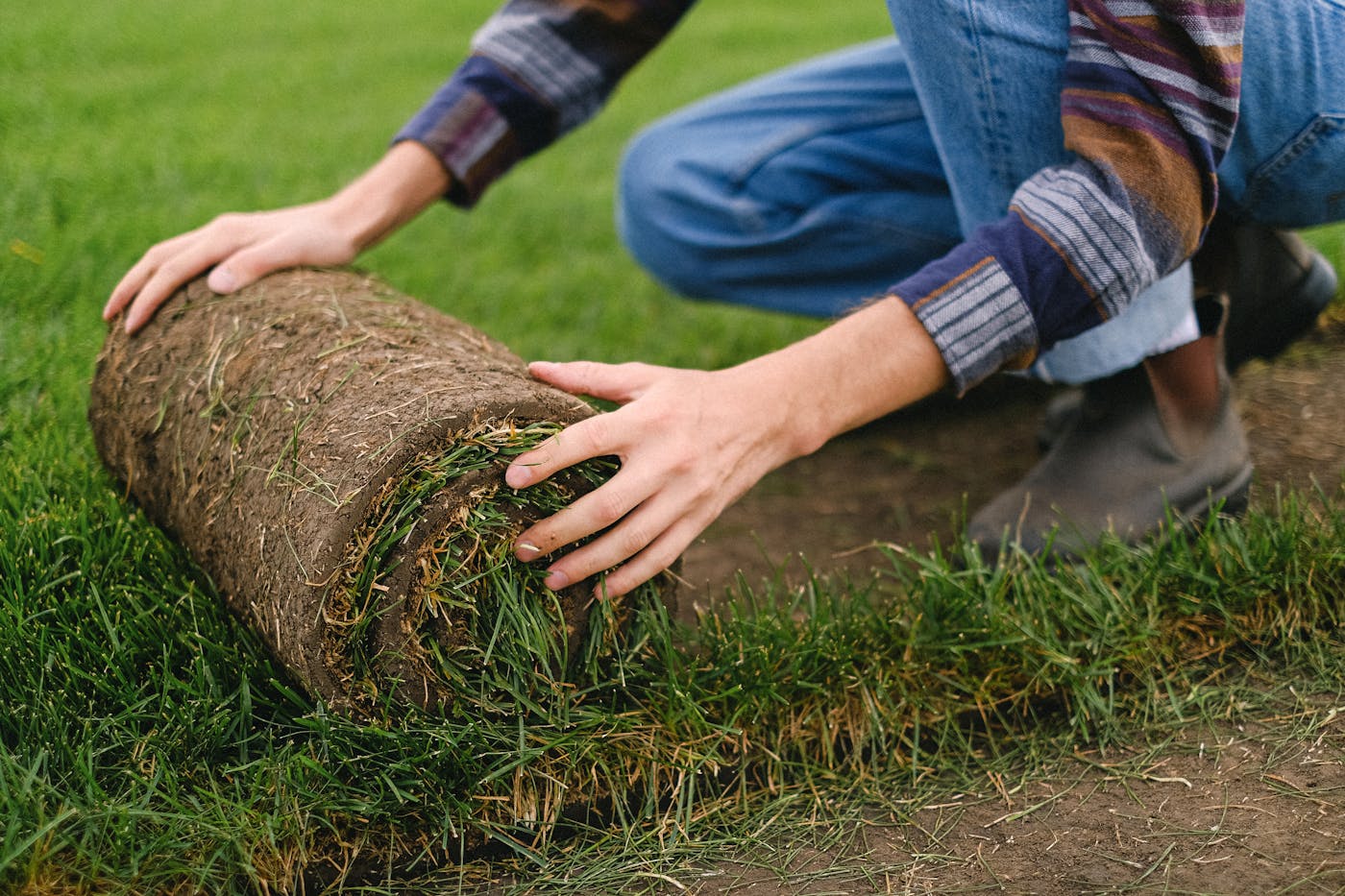
How to use this sod calculator
Measure the longest length and width of the lawn area first. If beds, patios, pools, or sidewalks take up space, use the shape adjustment to reduce the raw rectangle estimate. The calculator then adds a waste factor because sod must be cut around edges and corners.
What the estimate includes
The cost range combines sod material, typical installation labor, and prep complexity. It does not replace an on-site quote because access, grading, irrigation, and removal can change the number quickly.
Best next step
If the pallet count is higher than expected, check irrigation before ordering. New sod without reliable sprinkler coverage can fail fast in Central Florida heat.
Assumptions, units and limits (contractor reviewed)
Inputs are in feet. One pallet covers about 450 sq ft. The planning range blends sod material, typical labor, and prep complexity plus a 0.35 to 0.75 per-sq-ft allowance for access and removal variables. First-week water assumes about 0.62 gallons per sq ft total across short frequent cycles. Valid input range is 1 to 2,000 ft per side; blank, zero, negative, or oversized entries show a check-your-measurements message instead of a quote. Areas over one acre (43,560 sq ft) ask for an on-site measure. Estimates are planning numbers, not a final bid.
How to measure your lawn
Grab a tape, sketch your yard on paper, and measure each section separately. Measure in feet so your square footage drops straight into the calculator. Work one area at a time so you do not miss a strip.
- Rectangle: measure length × width for each square section.
- Circle: measure the radius, then do 3.14 × radius × radius.
- Triangle: measure base and height, then do (base × height) ÷ 2.
- Irregular: split it into rectangles, measure each one, then add them together.
- Subtract what you will not sod: house, driveway, beds, and patios.
- Enter your total in the calculator, then pick your shape adjustment: rectangle, curves-or-beds, or irregular.
That last step matters. Curves, beds, and angled edges create more cuts and waste, so let the tool apply the shape adjustment instead of guessing. Pair it with the waste setting at 8%, 12%, or 15% to match your lot.
Sod coverage cheat sheet
| Format | Coverage |
|---|---|
| Pallet | ≈ 450 sq ft — this calculator's assumption |
| Standard piece 16×24 in | ≈ 2.67 sq ft — industry standard sizing per Inch Calculator |
| Roll | Varies by supplier — confirm before ordering |
| Order amount | Measured area + waste at 8–15% — tool handles it |
Always round UP to full pallets — you cannot order part of one. A full pallet weighs 1,500–3,000 lbs per Angi, so have your drop spot and crew ready before the truck arrives. Sod is cut fresh and nonrefundable, so measure first, then order. If you are between pallet counts, go up. Leftover pieces fill gaps and edges. It beats stopping mid-job for more sod.
Sod calculator FAQs
How many square feet are in a pallet of sod?
This calculator uses 450 sq ft per pallet to figure pallets and water. Suppliers vary, so confirm your supplier's pallet size before you order.
How much extra sod should I order?
Order 8–15% extra using the waste factor in the tool. Pick 8% for simple rectangles and 12% to 15% for curves, beds, and tight edges that need more cuts.
Does the calculator include installation cost?
Yes, it gives a planning range that blends material, labor, prep, and a $0.35–$0.75 per sq ft access and removal allowance. It is not a final bid. Turn-key installs in the area run $1.50–$3.00 per sq ft for haul-off, rough grade, fresh-cut sod same-week, tight seams, rolling, and a 2-week watering plan.
How much water does new sod need the first week?
Plan on about 0.62 gallons per sq ft total for the first week, put down in short frequent cycles. Adjust for rain and follow local watering rules. In Kissimmee, new sod gets a Toho 30-day establishment window — days 1–10 twice daily, then taper — with no watering from 10 a.m. to 4 p.m.
Can I lay sod the same day it arrives?
Yes — lay it within hours of delivery. Do not let it sit stacked, and reject pallets that arrive steaming, yellowed, or sour-smelling.
What grass should I pick in Central Florida?
For typical Central Florida lots, go with Seville St. Augustine. Choose Palmetto for shade, and use Bahia for large open lots only.
Your number is ready — what is next?
Before you order, check your irrigation and zone coverage — new sod dies without reliable water. Then compare quotes apples-to-apples with this checklist: haul-off, rough grade, sod variety, tight seams, rolling, and a 2-week watering plan. Bring your square-foot number from the calculator and call (407) 674-2841 for a site-walk quote. We will confirm measurements, access, and grass choice and give you a clear turn-key price. Do not order pallets until water and grade are sorted. Call early for same-week fresh-cut slots.