Short answer: 2–4 short cycles daily in week 1, 1–2 daily in week 2, then deeper and less frequent through day 30 — always skipping after real rain. Root zone damp, never squishy. Call (407) 674-2841 if edges curl despite the schedule.
Quick answer
In Kissimmee, St. Cloud, and Poinciana: week 1 waters 2–4 short cycles daily, week 2 drops to 1–2 deeper cycles, days 15–30 go every 1–2 days — skipping after real rain. Damp root zone, never squishy. Call (407) 674-2841.
New sod fails when the root layer dries out before the grass attaches to the soil below it. In Central Florida, that can happen quickly during heat, wind, or a dry week. The goal is not to flood the yard. The goal is steady moisture, good root contact, and even sprinkler coverage.
Use this as a starting point and adjust for rain, soil, shade, and local watering rules.
Days 1-7: Keep the Root Layer Moist
For the first week, new sod usually needs short, frequent watering. The sod should feel moist when you lift a corner, and the soil underneath should be damp.
Typical starting point:
- 2-4 short watering cycles per day
- 8-15 minutes per zone
- Hand-water corners, seams, and edges if they dry faster
- Avoid puddles, runoff, or squishy soil
If edges curl, the sod is too dry. If footprints stay sunken and water sits on top, it is too wet.
Days 8-14: Start Reducing Frequency
By week two, the sod should begin rooting. You can usually reduce the number of daily cycles and water a little deeper.
Typical starting point:
- 1-2 cycles per day
- 12-20 minutes per zone
- Skip cycles after meaningful rain
- Keep checking dry zones manually
This is when bad sprinkler coverage starts showing up. Brown seams or dry corners often mean the water pattern is uneven, not that the sod itself is bad.
Days 15-30: Shift to Deeper Watering
After the second week, the lawn should slowly move toward deeper, less frequent watering.
Typical starting point:
- Every 1-2 days as needed
- 20-30 minutes per zone
- Adjust for rain and shade
- Begin mowing only when the sod is rooted enough and tall enough
Do not scalp the lawn. A high first mow protects the new root system.
What Changes the Schedule?
Central Florida lawns vary. Watch these factors:
- Sandy soil dries quickly and may need shorter repeated cycles.
- Compact soil runs off faster and may need cycle-and-soak watering.
- Shade reduces drying but can increase disease pressure.
- Rainy season can reduce watering but increase fungus risk.
- Broken irrigation heads create dry patches even when the controller runs.
- Too much water is just as deadly as too little — if soil stays squishy and footprints hold, read overwatered new sod: signs and fixes before adding cycles.
Before You Blame the Sod
Run the irrigation system zone by zone. Look for:
- Heads blocked by new sod edges
- Spray hitting sidewalks instead of turf
- Low pressure at the end of a zone
- Leaks around heads
- Rotors that do not turn
- Controller programs stacked on top of each other
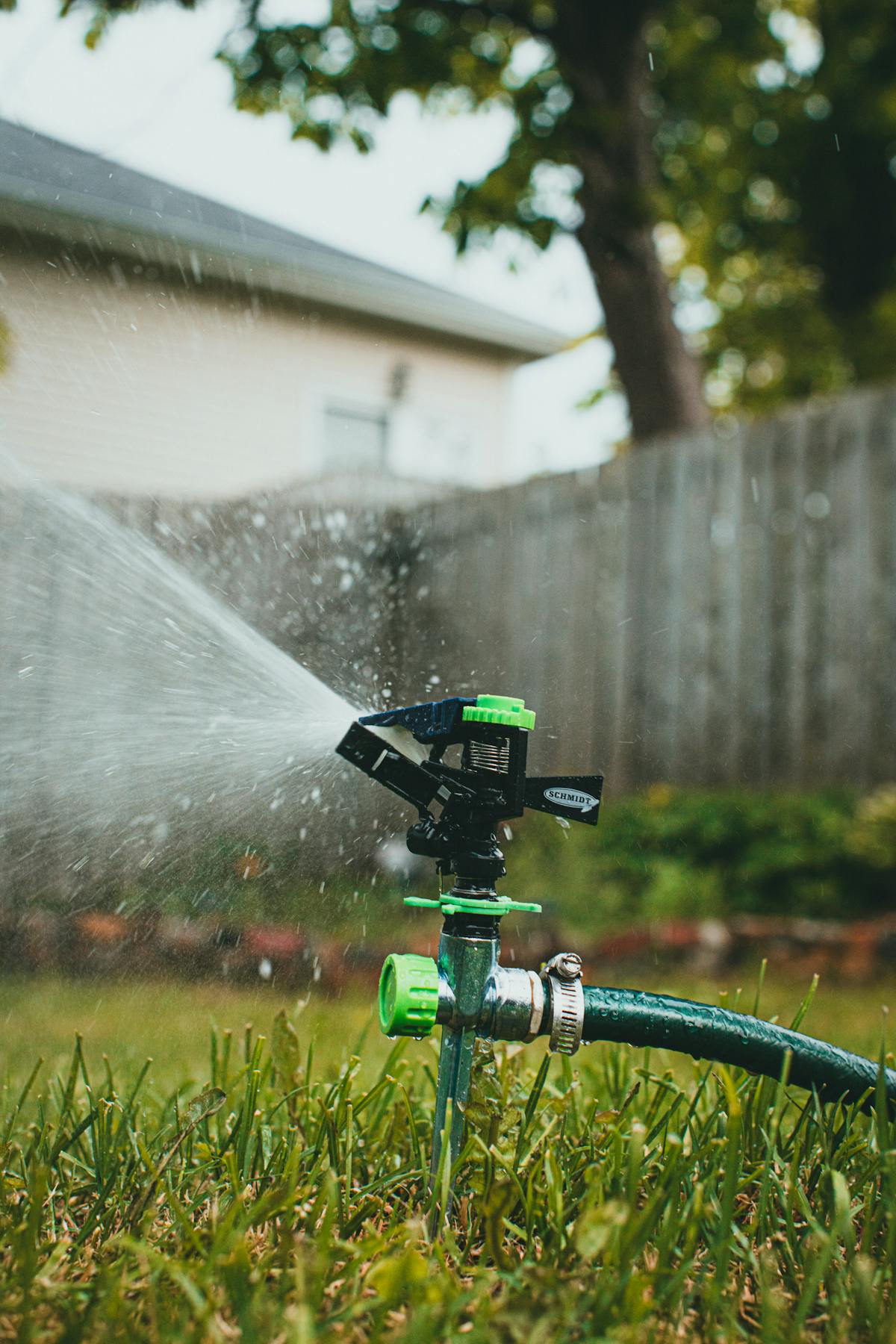
Use the watering schedule generator for a custom starting point. If coverage is uneven, review irrigation repair before the lawn declines.
Bottom Line
New sod needs frequent moisture at first, then deeper watering as roots establish. The best schedule is the one that keeps the root zone damp without leaving the yard soggy.
Schedule not saving the sod? Check the system
What our crew sees on new installs: the schedule is right but one zone never sprays right — blocked head, low pressure, stacked programs. We find it in one zone-by-zone run and fix it before the lawn declines. Call (407) 674-2841. See irrigation repair and sod installation in Kissimmee.
When to call
Call (407) 674-2841 when edges curl on schedule, one zone runs weak, water ponds, or footprints stay sunken. Say your city, sod age in days, and city-versus-well water. Or start at get a sod quote.
Useful local pages
- Sod installation in Kissimmee
- How many pallets of sod do I need
- Sod seams turning brown
- Overwatered new sod signs
- Irrigation repair
Dial in minutes per zone with the sprinkler runtime calculator once the first week passes.