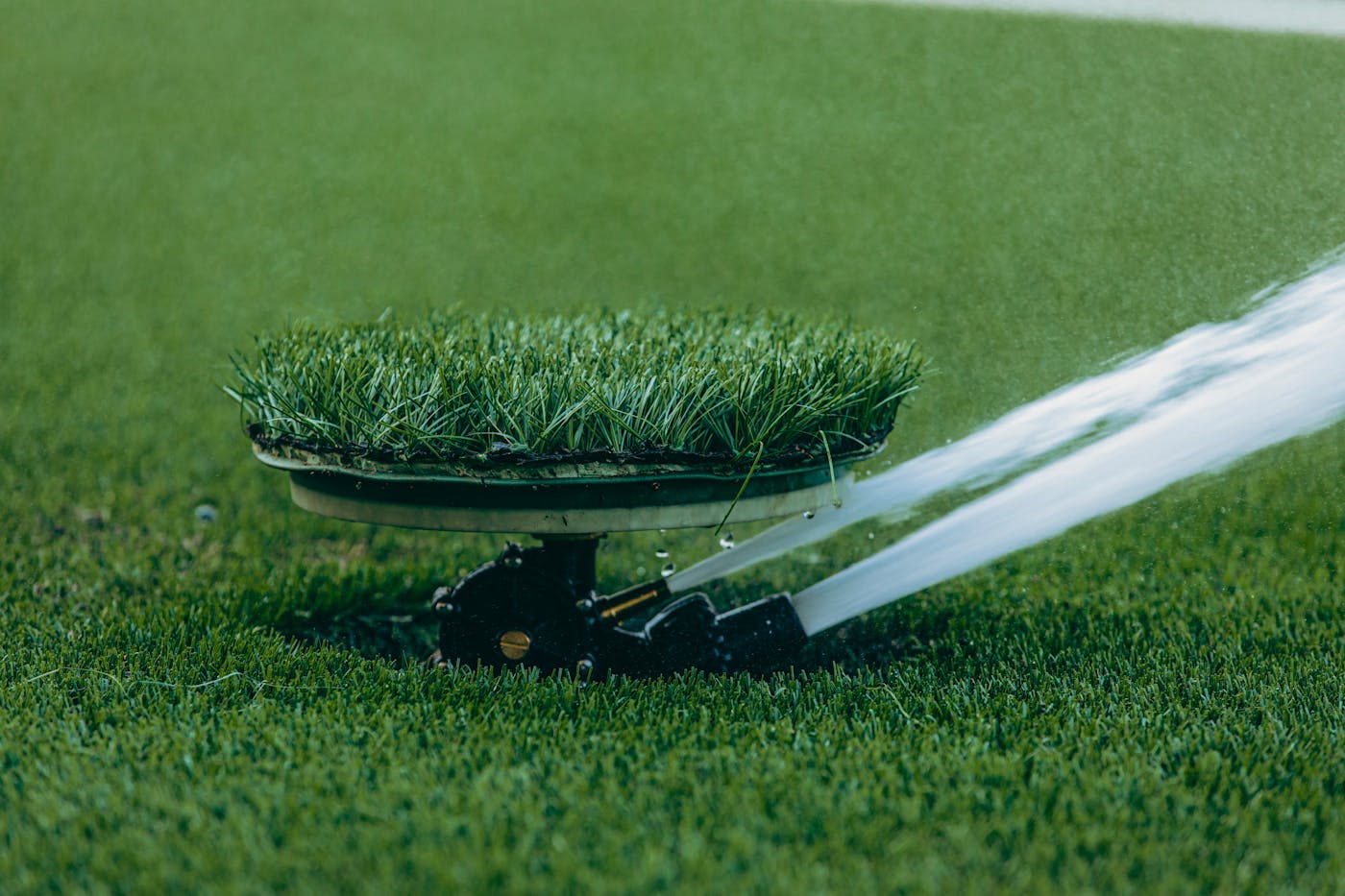
Irrigation Repair in Osceola County, FL: Fast Sprinkler Repair for Healthy Lawns
A broken irrigation system can waste water, drive up your bill, and leave your yard looking patchy right when you want it green. In Osceola County, Florida, sandy soil and summer heat can make small problems turn into bigger failures fast. Whether you’re dealing with a broken sprinkler head, a stuck valve, or an irrigation leak repair issue, the right diagnosis matters.
This guide covers common irrigation problems in Osceola County, how repairs work, and what you can do to protect your sprinklers through Florida’s rainy season and dry spells. You’ll also learn how to match irrigation to local conditions for popular grass types like St. Augustine, Bahia, and Zoysia.
Why Irrigation Repair Matters in Osceola County, FL
Osceola County sits in USDA climate zones 9b to 10a, where warm temperatures last year-round. That means sprinklers run more often, and wear builds up faster on heads, valves, and wiring. With sandy or sandy-loam soil, water can move quickly below the root zone if coverage isn’t adjusted.
When irrigation problems go untreated, you may see dry spots, fungus risk from inconsistent coverage, or oversaturated areas that attract weeds. Leaks can also undermine landscaping, create muddy patches, and damage nearby hardscapes.
Signs You Need Sprinkler Repair
You don’t always need a complete system replacement. Many homeowners only need targeted sprinkler repair to restore performance.
Look for these common warning signs:
- Water pooling in one area while other zones stay dry
- Sprinkler heads that won’t pop up or that spray the wrong direction
- Frequent cycling or a timer that won’t keep schedules
- Valves that click but don’t pressurize
- Visible wet soil along a suspected line route
- Uneven coverage across the lawn
If you notice any of these, an expert diagnosis can identify what’s failing and why.
Common Irrigation Problems We Fix
Irrigation repair in Osceola County usually falls into a few major categories. Many issues start small, but Florida’s heat, sandy soil, and high rainfall during May–October can expose weak points in the system.
Broken Sprinkler Head (and How It Happens)
A broken sprinkler head is one of the most common calls. It may be hit by a lawn mower, damaged by foot traffic, or cracked by freeze-free but high-heat stress. Sand can also cause internal wear, especially in areas where the system runs frequently.
Typical symptoms include:
- Head won’t rise or only rises partially
- Water sprays sideways or misses the intended area
- Head leaks around the top or base
- A dry patch forms right where the head used to cover
Repair usually involves removing the damaged head, checking the riser and riser alignment, and installing the correct replacement model. If the riser is cracked or the head is set too high or too low, coverage will stay uneven even after replacement.
Irrigation Leak Repair: Hidden Line Leaks
Irrigation leak repair can be tricky because leaks aren’t always visible at the surface. In sandy soil, water can travel and soak in quickly, leaving only a faint change in moisture until the problem grows.
Common leak sources include:
- Cracked PVC or poly pipe sections
- Loose fittings at joints and couplings
- Leaks around sprinkler risers
- Damaged lines from trenching, landscaping, or tree roots
A leak can also cause pressure loss across zones, making it seem like “sprinklers aren’t working,” when the real issue is water escaping underground.
Stuck or Failing Valves
Valves control water flow to each zone. If a valve sticks, you might hear the system run but see little or no water output. You might also notice one zone always runs longer than expected or never fully shuts off.
Valve issues can come from:
- Sediment buildup
- Corrosion in older components
- Electrical problems in the solenoid
- Low pressure or inconsistent water supply
Sprinkler repair often includes testing valve operation, checking solenoids, and verifying correct zone pressure and flow.
Timer and Controller Problems
Timers and controllers manage schedules, run times, and zone order. In Florida, power surges can damage electronics, and weather can affect outdoor enclosures.
Symptoms of timer issues include:
- Zones running at the wrong times
- Schedules resetting or not saving
- No response to manual start commands
- Irrigation running too long during rainy periods
Repair may involve replacing malfunctioning components, checking wiring continuity, and confirming the controller settings match your landscape needs.
Clogged Nozzles and Low Pressure Issues
Even when heads aren’t broken, they can underperform due to clogged filters or debris in nozzles. Low pressure can also make spray patterns shrink and reduce coverage.
You may notice:
- Fine mist instead of a strong spray
- Heads that overlap less than they should
- A zone that always looks drier than the rest
Fixing these issues often means cleaning or replacing nozzles, flushing lines, and checking filters and pressure regulators if present.
How Irrigation Repair Works: Diagnosis to Testing
The best sprinkler repair starts with diagnosis, not guesswork. In Osceola County, a methodical approach saves time and prevents repeat failures.
Step 1: Walk the Property and Map the System
A technician will inspect the lawn and beds, then compare coverage patterns to the layout. Expect questions about when the problem started, whether it’s only one zone or multiple zones, and whether you’ve seen pooling or dry areas.
Step 2: Test Zones, Pressure, and Head Operation
Next, the system is tested zone by zone. Technicians check whether heads pop up correctly, whether spray arcs match their intended patterns, and whether valves open and close properly.
If a leak is suspected, diagnostic steps may include pressure checks and targeted observation during operation.
Step 3: Confirm the Root Cause
Once the failing component is identified, the repair plan is confirmed. This is where “fix irrigation system” really means fixing the cause—like a cracked riser, a failing solenoid, or a damaged line—rather than just replacing a visible head.
Step 4: Repair, Rebuild, and Recalibrate Coverage
Repairs often include:
- Replacing broken sprinkler heads and risers
- Repairing leaks in irrigation lines
- Replacing faulty valves or solenoids
- Adjusting timer settings and run times
- Calibrating sprinkler arcs and spacing for even coverage
After repairs, the system is tested again to confirm stable pressure and correct spray patterns.
Matching Irrigation to Central Florida Soil and Weather
Osceola County lawns often sit on sandy or sandy-loam soil. That soil drains fast, which can be helpful for preventing waterlogging, but it also means water can move beyond roots if run times are too short or too long.
Sandy Soil Means Faster Drainage
In sandy areas, water can soak in quickly, yet it may not stay long enough for deep root growth. This is why short, frequent watering can sometimes create shallow roots, especially for turf that prefers deeper moisture.
A solid irrigation plan balances:
- Cycle time (how long each station runs)
- Frequency (how often you run)
- Coverage overlap (so dry spots don’t form between heads)
Rainy Season (May–October) Requires Smarter Scheduling
Florida’s rainy season brings heavy storms and frequent downpours. If irrigation continues on the same schedule during wet months, you can overwater, increase fungal pressure, and waste water.
Practical advice:
- Adjust schedules seasonally rather than keeping one year-round setting
- Watch for wet footprints after storms—if the ground stays moist, skip irrigation
- Use rain sensors where allowed and appropriate for your property setup
Climate 9b–10a and Heat Stress
During hotter stretches, turf needs consistent moisture. But “more water” isn’t always the answer. If a zone has low pressure, clogged nozzles, or a broken sprinkler head, the rest of the system may run correctly while one area fails.
That’s why irrigation repair often improves lawn health even without increasing total run time.
Lawn Types in Osceola County: Watering Needs and Repair Priorities
Different grasses respond differently to watering patterns. In Osceola County, homeowners commonly maintain St. Augustine, Bahia, and Zoysia.
St. Augustine Grass
St. Augustine is popular for its lush look and good shade tolerance. It generally benefits from deeper watering that supports strong roots.
If you notice thinning or browning, it can be caused by:
- Uneven coverage from misaligned heads
- Dry spots from a failing riser or clogged nozzle
- Overwatering in one area due to a stuck valve
A sprinkler repair that restores uniform coverage often brings St. Augustine back faster than raising run times.
Bahia Grass
Bahia is common in Central Florida for its resilience. It can tolerate heat, but it still needs proper moisture during establishment and dry spells.
Irrigation leak repair is important here because even drought-tolerant lawns can suffer if one zone fails while others run.
Zoysia Grass
Zoysia can handle some drought, but it looks best with consistent care. Uneven watering can lead to patchy growth and inconsistent color.
If you see rings or irregular patterns, check for:
- Heads spraying too far or too short
- Broken sprinkler head risers that shift spray direction
- Low pressure in specific zones
Osceola County Land Development Code: Why Compliance and Proper Repairs Matter
Local rules impact how irrigation systems are installed and maintained, especially around property improvements and landscaping. Osceola County Land Development Code requirements can affect permits, site work, and how certain modifications are handled.
When repairs involve trenching, line replacement, or modifications near structures and landscaping, it’s smart to confirm the work aligns with local expectations. A reputable irrigation repair provider understands how to plan repairs with minimal disruption and proper documentation when needed.
Practical Tips to Prevent Future Irrigation Repairs
Repairs are easier when problems don’t start in the first place. Here are practical steps homeowners can take in Osceola County.
Protect Sprinkler Heads During Lawn Care
Mower strikes are a top cause of broken sprinkler heads. Keep mower blades adjusted and avoid mowing over raised heads. If you have a spot where the head is frequently hit, consider relocating it slightly or using a more durable head style that fits your layout.
Watch for Low Spots and Standing Water
Pooling water can mean a leak, a clogged drain path, or a head that sprays too close. Standing water can also indicate that the zone is running longer than it should or that coverage overlap is too heavy.
Keep Landscaping From Blocking Coverage
Mulch, edging, and low shrubs can interfere with spray patterns. Over time, plants grow and block arcs, leading to dry turf where water should land.
If you’ve added landscaping recently, check irrigation coverage afterward. Adjustments are often small but make a big difference.
Use Seasonal Adjustments
Florida weather changes quickly. Even if your lawn looks fine, check irrigation output during seasonal shifts—especially before the rainy season ramps up and after storms settle.
Consider a Rain Sensor
A properly installed rain sensor can reduce unnecessary watering during May–October. It won’t fix broken parts, but it can prevent waste and help protect your system from overuse.
When You Should Call for Irrigation Repair
Some issues are quick fixes, but others need careful testing to avoid wasted water and repeating failures. Call for irrigation repair if you notice any of the following:
- A zone runs but doesn’t water properly
- You hear water running after the system should stop
- Your bill increased without a clear explanation
- You see wet soil or sinkholes near a line route
- Multiple heads fail at once (often a valve or line issue)
- You’re preparing the yard for hot weather and want consistent coverage
Fast action can prevent damage to nearby landscaping and reduce the chance of secondary issues like soil erosion or turf decline.
Benefits of Professional Sprinkler Repair in Osceola County
DIY repairs can work for simple head replacements, but many homeowners need more than swapping one part. Professional sprinkler repair offers several advantages.
Accurate Diagnosis Saves Money
When you guess, you may replace components that aren’t the real cause. Professional testing identifies the failing valve, damaged line, or faulty controller logic so the repair actually solves the problem.
Repairs Restore Uniform Coverage
Even coverage is the goal. Turf health depends on consistent moisture across the yard. A technician can calibrate head spacing, adjust arcs, and verify pressure to reduce dry patches and soggy areas.
Reduced Water Waste and Better Lawn Health
Irrigation leak repair and valve fixes can quickly reduce wasted water. That helps lower bills and supports healthier grass, especially during Florida’s hot stretches.
FAQ: Irrigation Repair in Osceola County, FL
1) What does irrigation repair include?
Irrigation repair typically includes diagnosing broken sprinkler heads, repairing or replacing valves and solenoids, fixing timers/controllers, and performing irrigation leak repair on damaged lines. Technicians also test zones to confirm proper pressure and even coverage.
2) How can I tell if I have an irrigation leak?
Look for unexplained wet spots, soggy soil, pooling water near a suspected line route, or pressure loss in one zone. If your system runs but coverage seems weak, a hidden leak may be the cause.
3) Can a broken sprinkler head cause dry spots?
Yes. A broken sprinkler head can stop water delivery to that area or spray in the wrong direction. Even one failing head can create a visible dry patch, especially in sandy soil where water doesn’t spread as evenly.
4) Why does my irrigation run during rainy weather?
That usually points to timer/controller settings or a faulty rain sensor. If zones run even after heavy rain, the schedule may not be adjusting correctly, or the sensor may not be communicating with the controller.
5) How often should sprinkler heads be checked in Osceola County?
It’s smart to inspect heads at least a few times per year—before the rainy season and again before peak dry heat. If you notice uneven watering or head damage after mowing, check sooner.
6) Will repairing one zone improve the whole system?
Often, yes. A failing valve, low pressure issue, or leak can affect more than one area. Even if only one zone looks bad, fixing the root cause can improve overall system performance.
7) Do I need a permit for irrigation line repairs?
It depends on the scope of work, the location on your property, and local requirements under the Osceola County Land Development Code. If trenching or major modifications are involved, a professional can advise on what’s required before work begins.