Last updated · St. Cloud, FL
Chinch bugs killed St. Augustine in St. Cloud? Dead turf is replaced, not revived. On the growth belt off Narcoossee and Canoe Creek toward East Lake Toho (34769, 34771–34772), new-build St. Augustine on sandy grade; hot corners by the driveway go first. Call (407) 674-2841.
Quick answer for St. Cloud (34769, 34771–34772)
- Yellow patches spreading in full sun in July–September = suspect chinch, not fertilizer.
- Green edges with straw centers along hot concrete = classic chinch pattern.
- Dead straw that pulls up with no roots = replace; it will not green back with spray.
- Start here: sod replacement in St. Cloud or sod installation in St. Cloud. Treatment background: chinch bug treatment and prevention. Dead zones: sod removal and reset. Call (407) 674-2841.
Chinch diagnosis signs in St. Cloud
Chinch hits St. Cloud St. Augustine where heat stacks: the growth belt off Narcoossee and Canoe Creek toward East Lake Toho. Look for irregular yellowing patches in the sunniest strips that widen week to week, turning to spreading straw while shaded sides stay green. Edges near driveways, sidewalks, and south-facing slopes go first because reflected heat stresses the grass and feeds the insects. If the whole lawn faded evenly after a cold snap or a missed watering week, that points elsewhere; chinch spreads outward from hot spots and leaves a patchy map.
Do the tug test before you buy anything: grab straw blades at the edge of a yellow patch and pull. Chinch-killed St. Augustine lifts with little root resistance and shows dusty thatch underneath, sometimes with tiny black-and-white adults scattering at the margin on a hot afternoon. Fungus shows spots, rings, or greasy lesions on blades instead. Either way in St. Cloud, once the patch is straw with no live stolons, no spray brings it back — 34769, 34771–34772 sun finishes what the insects started, and new-build St. Augustine on sandy grade; hot corners by the driveway go first.
Fungus vs chinch vs dry spots
St. Cloud misdiagnosis wastes the most money: homeowners spray fungicide on chinch or water harder on dead straw. Fungus follows wet patterns — rings, spots after rain, shaded damp corners. Chinch follows heat — sunny strips by concrete in peak summer, spreading straw centers with yellowing margins. Dry spots follow coverage — arcs missed by heads, corners beyond throw, zones a tired well short-cycles at dawn. A good day-one walk in St. Cloud (34769, 34771–34772) checks all three: insect margins, blade lesions, and a zone-by-zone irrigation run on the growth belt off Narcoossee and Canoe Creek toward East Lake Toho. Dead straw zones skip straight to sod replacement in St. Cloud — spraying straw is paying to water dirt.
Treat or replace threshold
Treat when St. Augustine still has live runners and the patch is yellow, not straw: targeted control plus water correction can hold the line. Replace when blades pull free, thatch is dusty, and the area is tan straw with no green stolons — that grass is gone. In St. Cloud, partial replacement works when the new sod can blend into live healthy turf of the same cultivar; full-front replacement wins when the next HOA, ARC, or guest photo shows the whole lawn, because a patchwork front reads as neglect on the growth belt off Narcoossee and Canoe Creek toward East Lake Toho. Resort and ARC streets in 34769, 34771–34772 almost always want the full sunny front matched at once so the curb photographs uniform.
Timing matters: chinch control stops spread but never resurrects straw. Every week spent spraying dead grass in St. Cloud summer pushes install into hotter, drier windows and risks a second wave on the surviving margins. Treat live margins and replace dead centers in one visit so the new sod is not fed to the same insects.
Cost math in St. Cloud
St. Cloud chinch jobs run $1.50–$3.00 per sq ft installed — about $1,500–$3,000 per 1,000 sq ft with kill, tear-out, haul-off, grade, fresh-cut sod, and a watering plan. A 1,200 sq ft sunny front on the growth belt off Narcoossee and Canoe Creek toward East Lake Toho lands about $1,800–$3,600 all-in. Quotes under the band almost always skip haul-off or grading; on 34769, 34771–34772 sandy pads those two lines are the job, because ruts and old thatch telegraph through new seams within weeks. Heavy thatch, gate-access limits on resort loops, or well-zone fixes push toward the top; that is labor and dump time on the quote, not grass markup. Call (407) 674-2841 with square footage and 34769, 34771–34772 for a same-day band check.
Prevention and water after install
New St. Augustine in St. Cloud needs even moisture the first two weeks — short daily cycles matched to what the system actually delivers — then deeper soaks on schedule days so roots chase past the sand. Set the controller to real zone output on the growth belt off Narcoossee and Canoe Creek toward East Lake Toho, not factory defaults, because dry corners invite the next chinch wave and drown the diagnosis in confusion. Long term, mow high (3.5–4 inches), keep blades sharp, and avoid nitrogen dumps in peak heat that push tender growth insects love. Thin thatch yearly so margins stay inspectable; dusty deep thatch hides the next outbreak until it is straw.
If zones miss after install, that is irrigation repair in St. Cloud, not a grass failure. Fix delivery before blaming the cultivar.
What sod day looks like in St. Cloud
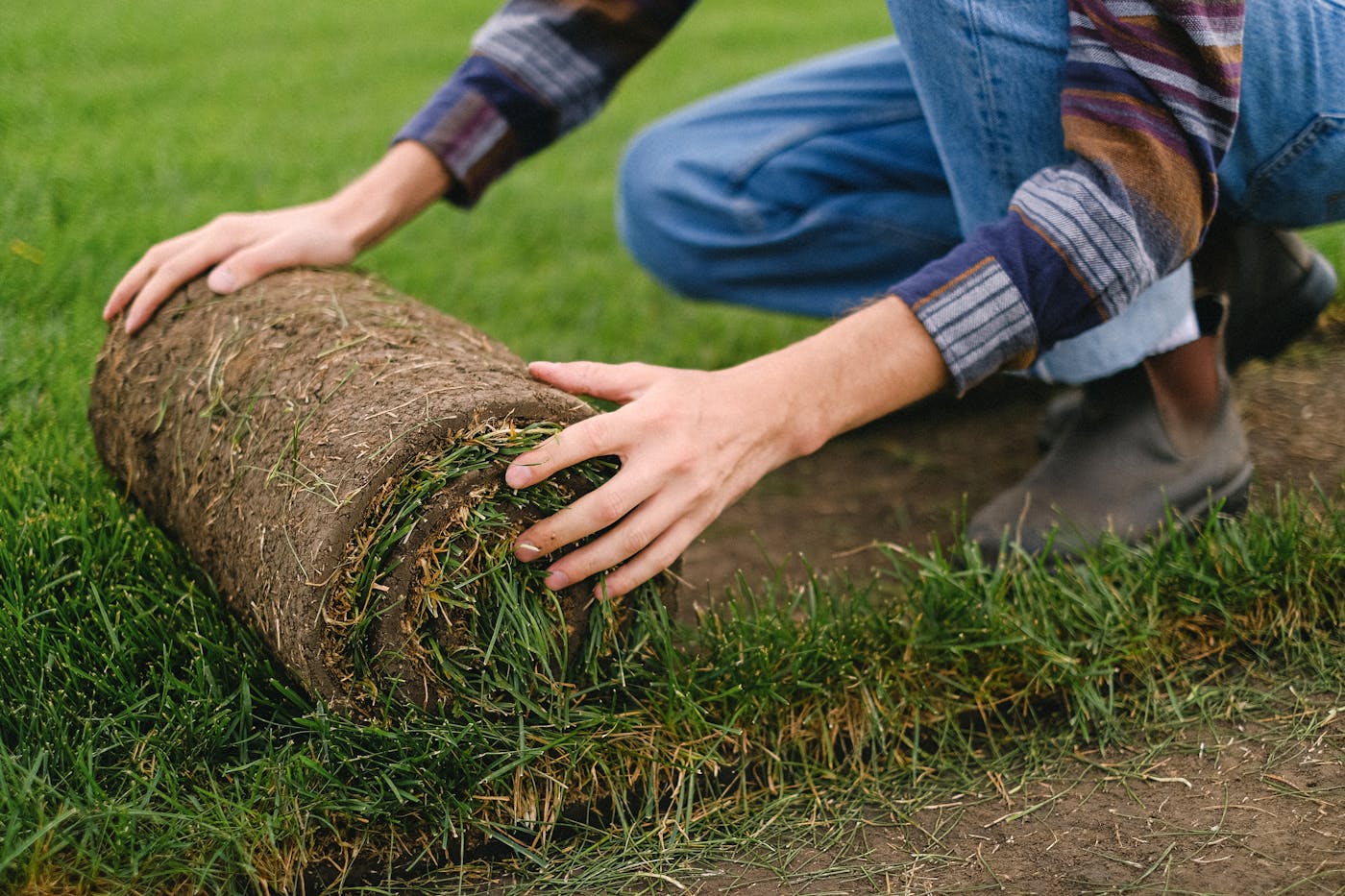
Kill and tear-out first, then grade flat — cutting highs, filling ruts, setting fall so storms leave instead of ponding. Tight seams, rolled edges, and a timed first soak the same day; no pallet should bake on the trailer during grading. On the growth belt off Narcoossee and Canoe Creek toward East Lake Toho expect trucks staged for gate windows and Friday check-in rhythm where it applies; run every zone before the installer leaves and mark the valve map so the next timer change does not scramble the schedule. Most St.
When to call in St. Cloud
Spreading yellow patches in full sun, straw that pulls free, an HOA or ARC photo coming due, or a guest check-in Friday with a brown front on the growth belt off Narcoossee and Canoe Creek toward East Lake Toho — call (407) 674-2841. Say 34769, 34771–34772, sun vs shade, and whether the street is matched St. Augustine. Full install path: sod installation in St. Cloud. Dead-grass path: sod replacement in St. Cloud.
Pick the right grass first
Not sure which sod fits sun, traffic, and pets? Run the grass quiz, then check will sod survive your shade before ordering pallets.