Last updated · St. Cloud, FL
HOA sod in St. Cloud looks different depending on which part of town the house is in. St. Cloud is a city in northern Osceola County on the southern shore of East Lake Tohopekaliga, about 26 miles southeast of Orlando. It was founded in 1909 as a colony for Union Civil War veterans, earning the nickname “The Friendly Soldier City,” and it had 58,964 residents at the 2020 census. Older streets near downtown often have no homeowners association at all, while many newer subdivisions on the edges of the city do. Replacing a cited lawn with matching sod generally runs $1.50–$3.00 per sq ft installed. To go over a notice, call (407) 674-2841.
Old town or new subdivision?
The first step is knowing what rules your lot falls under:
- Newer subdivisions usually come with recorded covenants and an association that inspects front yards. The covenants or the association’s landscape standards say which turf is acceptable and how long you have to fix a problem.
- Older in-town lots may have no association. A complaint there more likely comes from the city’s code enforcement, which focuses on maintenance and overgrowth rather than grass variety.
- Some neighborhoods sit inside a community development district, which maintains common areas but is separate from the association that writes violation letters.
Your closing documents, the association’s website or the management company will tell you which applies.
Reading a St. Cloud notice
Lay the letter next to the yard and answer these questions in writing:
- What exactly is cited: dead turf, weeds, bare soil, uneven color, or a mix?
- Which part of the property: the front only, or corner-lot side yards visible from the street too?
- When is the cure date, and are fines or reinspection fees charged after it?
- Does it name a grass type or refer to an approved list?
Then compare with the rules. If the letter cites a standard you can’t find, ask the management company to send the section number.
Builder soil and new-home lawns
Many cited lawns in newer St. Cloud subdivisions are only a few years old. The grass often failed because of what’s under it: compacted fill spread during construction, construction debris just below the surface, or sprinkler zones that never covered the strip by the sidewalk. Before replacing turf:
- Push a screwdriver or soil probe into the dead area and a healthy area. If the dead area resists, the soil is compacted and needs loosening or new topsoil.
- Look for rock, concrete chunks or wrapping material in the top few inches.
- Run every sprinkler zone and watch the edges. New-build systems often leave dry gaps along curbs and driveways.
- Check for low spots that hold water after rain.
Fix these first, or the new sod will die in the same places.
Choosing the replacement grass
St. Augustine is the usual front-yard grass in many subdivisions, typically Floratam in full sun and Seville or Palmetto in shade. Some larger or older lots grow Bahia. Match what the compliant yards on your street grow and confirm it against your HOA’s approved list. Replacing a whole front often looks better and passes more reliably than a patchwork of new pieces in an old lawn, especially when more than about a third is dead.
The approval and install sequence
- Ask whether like-for-like replacement needs a form. Many associations require one only for a change of variety, but some want a request for any turf work.
- Submit the form with a sketch and a written estimate that names the grass. Review times vary, so ask how long it usually takes.
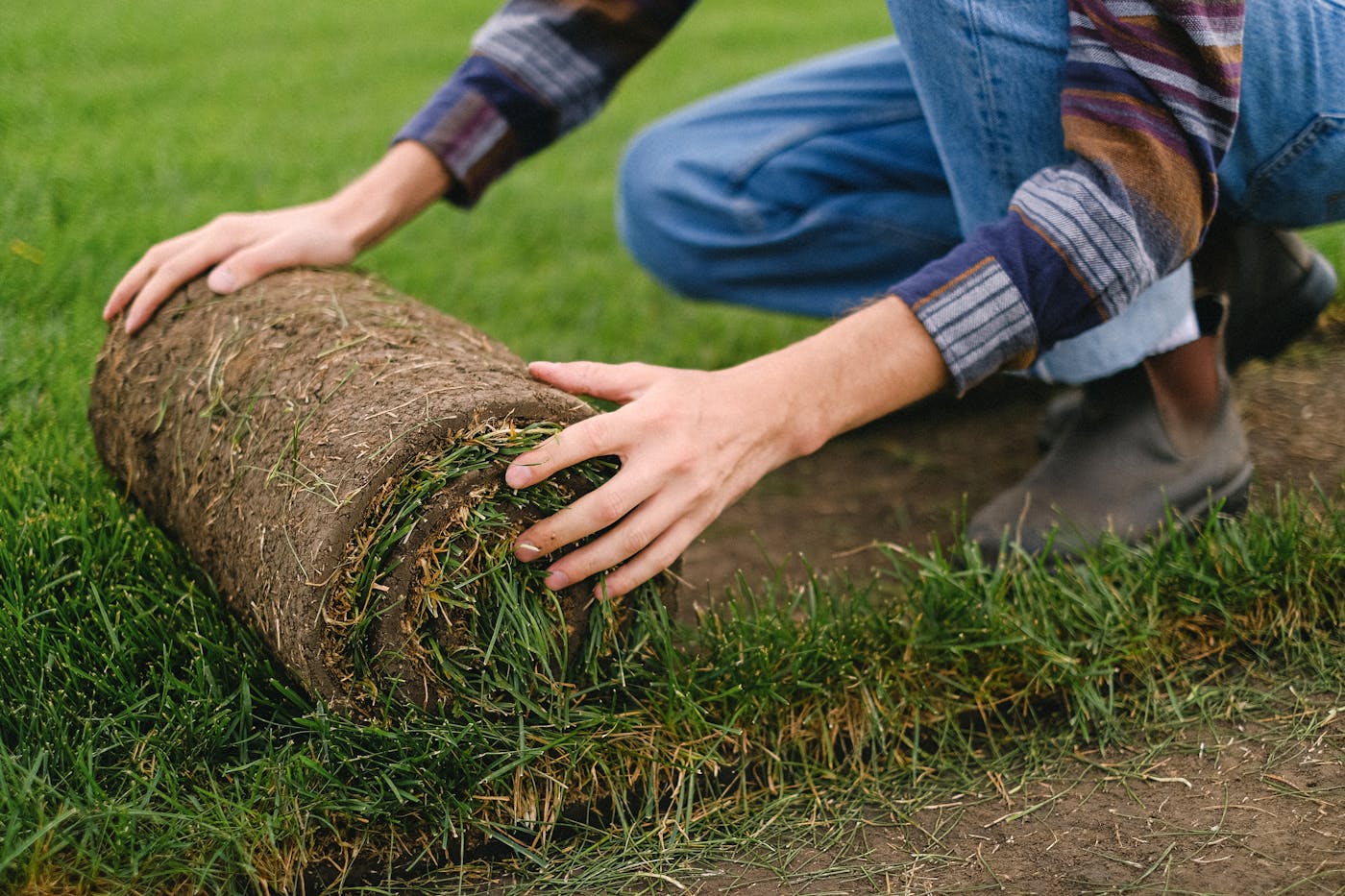
- After approval, plan for stripping and grading, then the lay day. Sod should be laid the day it arrives, rolled and soaked.
- During establishment, water lightly and often within your utility’s rules for new sod, and keep the invoice on file.
If the cure date falls before you can finish, send the association a written request for more time with the estimate attached.
What moves the price
The installed band includes removing the dead lawn and hauling it away, grading, new sod, rolling and a watering plan. Larger corner lots, fenced side yards, heavy builder debris or sprinkler repairs push a job toward the top. Ask for the sprinkler work as its own line.
Lakefront and corner lots
Homes near East Lake Tohopekaliga and corner lots draw extra attention. Lakeside yards often have a damp low end that needs a different grass or a drainage fix, and some shoreline areas have limits on fill, turf or fertilizer near the water, so ask the association or the city before extending lawn there. Corner lots show two sides to the street, which doubles the area an inspector sees.
Closing the matter
When the lawn is green and rooted, photograph it from the street, send the photos and invoice to the association or code officer, and keep a dated copy. If you are selling, give the agent the same packet.
Related pages
For the install itself, see sod installation in St. Cloud. For nearby growth areas, see HOA sod in Narcoossee. For managing approvals across properties, see HOA lawn care.
Who to call
Call (407) 674-2841 with the notice, the cure date, the street’s grass and the cited square footage. Or send a question. No job photos are published on this site.