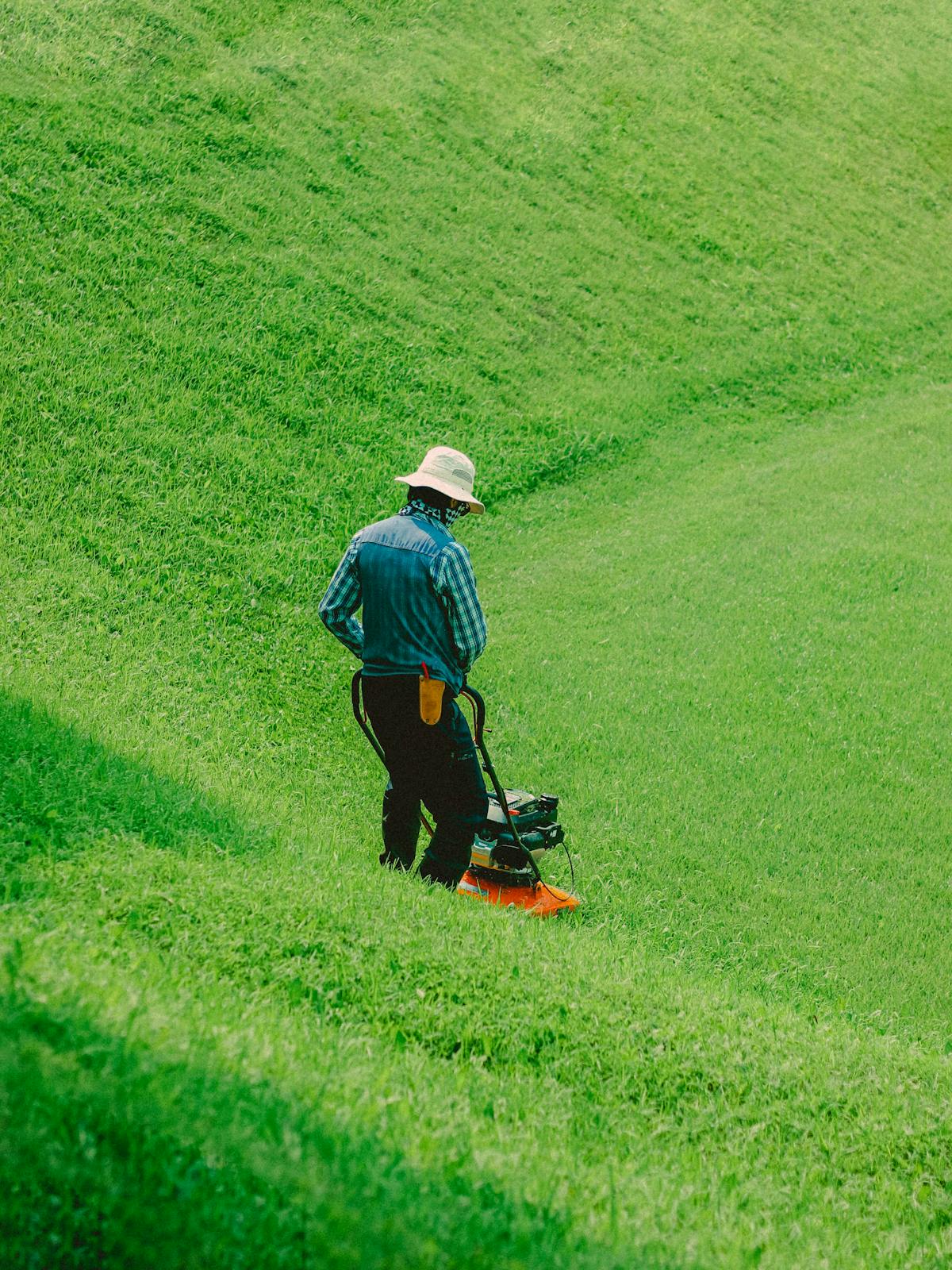
Grading is one of the easiest items to underestimate before sod installation. Homeowners often price the grass first, then discover the yard needs low spots filled, debris removed, slope corrected, or drainage improved before sod can be installed properly.
The cost depends on the problem, not just the square footage.
Use the drainage risk checker if you are not sure whether grading should happen before sod.
Quick answer
In Kissimmee, St. Cloud, and Poinciana, grading cost follows the problem: small low spots are quick, standing water plus drains costs more, tight access adds labor. Never let pallets arrive before the base is ready. Call (407) 674-2841.
Why Grading Matters
Sod needs a stable base. If the surface is uneven, water collects in low areas and roots dry out on high edges. If the grade pushes water toward the house, patio, or sidewalk, new sod can hide the issue briefly but will not solve it.
Good grading helps:
- Improve soil-to-root contact
- Reduce puddles
- Smooth mowing surfaces
- Prevent washout
- Keep water moving away from structures
- Make sod seams sit tighter
Cost Driver 1: Low Spots
Small low spots may only need soil, leveling, and cleanup. Large low areas may need more fill, equipment, and a drainage plan.
The key question is where water goes after the low spot is filled. If filling the dip pushes water toward a patio or neighbor, grading alone may not be enough.
Cost Driver 2: Drainage Problems
Standing water changes the project. A yard that stays wet after rain may need a swale, French drain, catch basin, downspout extension, or a reworked slope.
Drainage work can cost more than simple grading, but skipping it can ruin new sod. If puddles last into the next day, review drainage solutions before ordering grass.
Cost Driver 3: Access
Access affects labor and equipment. A wide open front yard is easier than a fenced backyard with narrow gates, steps, pool screens, or long wheelbarrow routes.
If equipment cannot reach the area, more work becomes manual. That changes time and price.
Cost Driver 4: Existing Material
Old turf, weeds, roots, rocks, construction debris, and uneven fill all affect prep. New-build yards can look close to ready but still have buried trash, compacted tire tracks, or rough transitions near sidewalks.
Removing and disposing of material adds labor. So does bringing in soil and spreading it cleanly.
Cost Driver 5: Sod Timing
Grading should happen before sod delivery, not while sod sits in the sun. If a site needs more prep than expected, the schedule should be adjusted so fresh sod is installed promptly after the base is ready.
Rushing prep because pallets already arrived is how seams, bumps, and drainage issues get locked into the lawn.
What to Ask in a Quote
Ask these questions before approving the job:
- Does the price include old grass removal?
- Is fill soil included?
- Are low spots being corrected or just covered?
- Where will runoff go after grading?
- Is drainage work separate from grading?
- Will sprinkler heads need adjustment after grade changes?
Clear answers prevent surprise add-ons.
Where the Money Actually Goes
Fill dirt is the smallest line on most grading quotes. Labor, haul-off, and machine time dominate: stripping failed turf, cutting high crowns, importing and spreading soil cleanly, compacting in lifts so it does not settle into birdbaths by October, and re-aiming heads to the new grade. New-builds hide buried trash and tire-compacted lanes that eat an extra half day once opened.
The expensive mistake is grading twice — a skim coat now plus a drain plan after the first storm drowns the sod. Timed photos at 2 hours, 6 hours, and next morning after rain let a contractor quote the drain with the grade once, instead of mobilizing twice.
Final Recommendation
Yard grading cost before sod depends on low spots, drainage, access, debris, and slope. If the surface is already stable, grading may be simple. If water stands or runoff moves the wrong way, fix that before buying sod.
When to call
Call (407) 674-2841 when water stands past 24 hours, grade runs toward the slab, quotes differ on fill versus drains, or heads will need resetting after grade changes. Say your city and send timed photos. Or start at get a sod quote.
Useful local pages
- Lawn grading in Kissimmee
- Sod installation in Kissimmee
- Lawn grading before sod — why it matters
- Lawn drainage test before sod
- Lawn grading
Next step: check the site with the drainage risk checker, then review lawn grading — including lawn grading in Kissimmee — if the score is moderate or high.