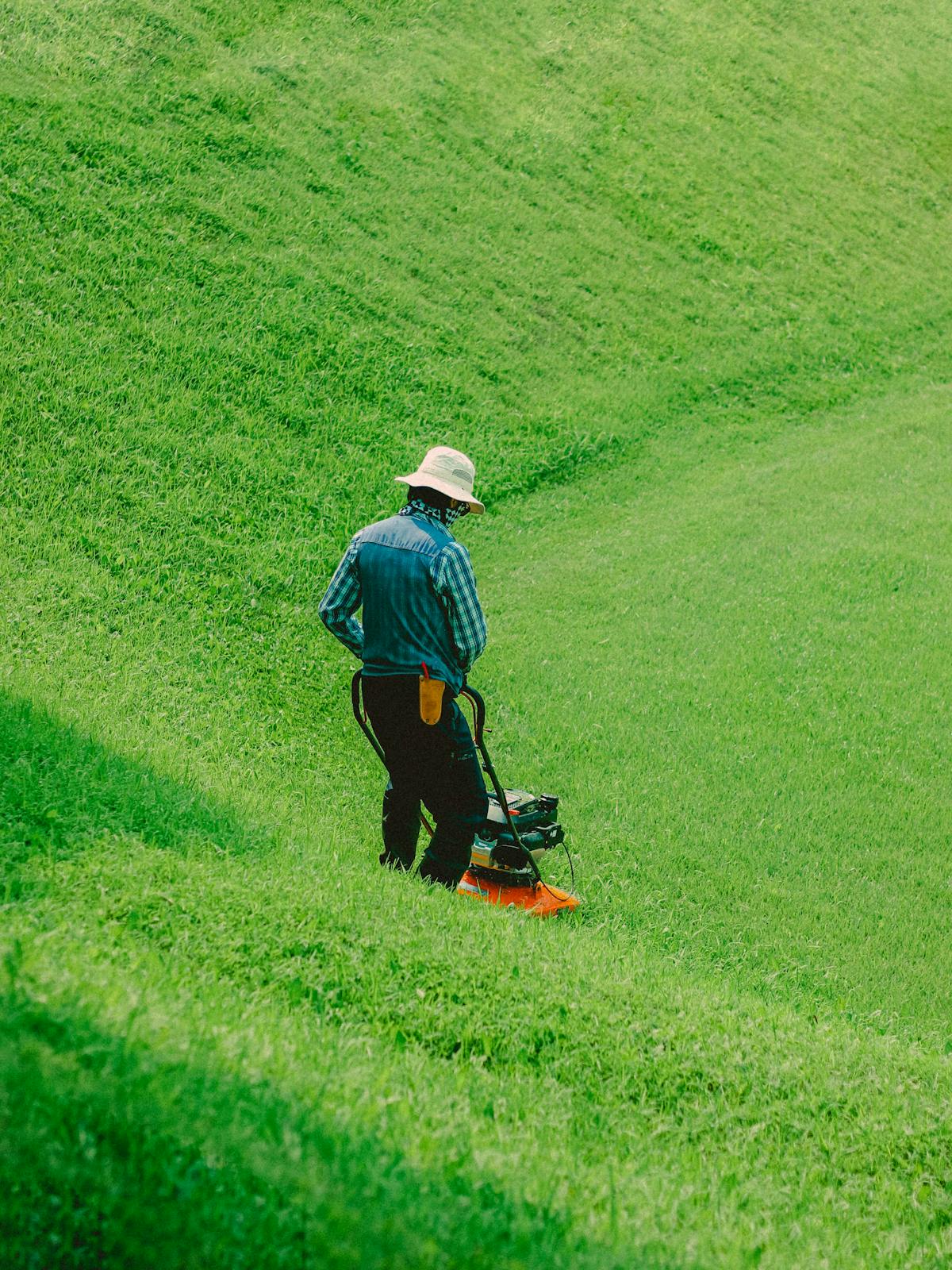
Sod and seed can both create a lawn, but they solve different problems. In Central Florida, the decision is not only about price. Heat, sandy soil, rainy-season washout, weed pressure, HOA expectations, and irrigation coverage all change the real answer.
If you need the short version: sod usually wins when you need fast coverage, curb appeal, erosion control, or a predictable finish. Seed can make sense when the area is large, low-visibility, stable, and you can wait.
Use the sod vs seed decision tool if you want a quick recommendation based on your yard.
Quick answer
In Kissimmee, St. Cloud, and Poinciana, pick sod for visible, sloped, HOA, or deadline lawns — instant cover that survives rainy-season washout. Pick seed only for large, stable, low-visibility areas you can water and weed for months. Turn-key sod runs $1.50–$3.00 per sq ft, done in 3–7 days. Call (407) 674-2841.
Quick Comparison
Sod gives you instant coverage. It still needs water and root establishment, but the yard looks finished right away. That matters for front yards, HOA neighborhoods, new construction, homes going on the market, and areas where bare soil keeps washing out.
Seed is cheaper upfront. The tradeoff is time, weed pressure, uncertain germination, and more homeowner management. In Florida, seed can struggle if rain moves it, sprinklers miss sections, or summer heat dries the surface before roots establish.
When Sod Is the Better Choice
Choose sod when the lawn needs to look clean quickly. This includes:
- Front yards with visible curb appeal pressure
- HOA replacement work in Celebration, Kissimmee, or similar communities
- Bare soil after construction
- Sloped areas where erosion is already happening
- Pet or child areas where mud is becoming a problem
- Rental, resale, or property management timelines
Sod is also easier to quote. You can measure square footage, choose grass type, estimate pallets, and set a schedule. If you are still measuring, use the sod calculator before requesting a quote.
When Seed Can Make Sense
Seed can work when expectations are lower and timing is flexible. It is more reasonable for large back areas, rural-style lots, or lower-visibility sections where a slow fill-in is acceptable.
The homeowner needs to be honest about maintenance. Seed needs steady moisture, weed control, patience, and protection from runoff. If the sprinkler system is uneven, seed will show that weakness quickly.
The Florida Problem: Bare Soil Does Not Wait
Bare soil in Central Florida can turn into a weed and erosion problem fast. Sandy soil drains quickly. Heavy rain can move loose material. Heat can dry the top layer in hours.
That is why many homeowners think seed is cheaper, then spend extra time and money fighting washout, weeds, thin patches, and reseeding. The right comparison is not seed bag vs sod pallet. The right comparison is finished lawn cost, time, and risk.
Irrigation Matters Either Way
Bad irrigation can ruin either option. Sod dries at seams and edges. Seed dries at the surface before it germinates. Weak sprinkler zones create thin strips no matter what was planted.
Before choosing sod or seed, run every zone and look for:
- Dry corners
- Blocked heads
- Low pressure
- Runoff before soaking
- Mixed spray and rotor timing problems
If you are not sure, start with the sprinkler zone planner.
HOA and Resale Pressure
Seed is hard to justify when an HOA expects a finished look. It may technically be allowed, but bare or patchy turf can create delays, notices, or neighbor complaints. Sod is usually the cleaner option for strict neighborhoods because the visual result is immediate.
The same logic applies when selling a home. A patchy lawn can make buyers think maintenance has been ignored. Sod costs more upfront, but it can remove that objection fast.
Final Recommendation
If the lawn is visible, time-sensitive, sloped, muddy, or subject to HOA expectations, sod is usually the better Florida choice. If the area is large, stable, low-visibility, and you can manage watering and weeds for months, seed may be worth considering.
Next step: use the sod vs seed decision tool, then estimate pallets with the sod calculator if sod wins. For installed work, see sod installation in Kissimmee and Orlando.
When to call
Call (407) 674-2841 when the lawn is visible, sloped, muddy, or under HOA or resale pressure. Say your city, size, and deadline. Or start at get a sod quote.
Useful local pages
- Sod installation in Kissimmee
- Sod installation in Orlando
- Kissimmee sod cost guide
- Best sod for sandy soil
- Sod installation services
If sod wins, here is the local path
What our crew sees across Osceola County: homeowners who pick seed for a visible front yard usually call us back after the first washout or HOA notice. If your lawn is visible, sloped, or on a deadline, skip the experiment — turn-key sod installation in Kissimmee runs $1.50–$3.00 per sq ft (see the Kissimmee cost guide) and most jobs finish in 3–7 days. Call (407) 674-2841 or start with sod installation in Kissimmee.