faqs:
- question: “Should I run sprinklers during rainy season?” answer: “Only when grass shows stress — skip 24–48 hours after heavy rain and water early morning. A rain sensor or smart controller pauses automatically.”
- question: “Why does my lawn get fungus in summer?” answer: “Wet shaded areas that stay damp grow fungus. Mow at the right height, water mornings only, and fix low spots that hold water.”
- question: “What if water stands more than a day?” answer: “That is a drainage or grading problem, not a watering problem. Call (407) 674-2841 — standing water kills new sod roots.”
- question: “Does rain replace watering new sod?” answer: “No — heavy rain soaks unevenly. Check soil under the pads after storms and water the dry pockets lightly.”
Florida’s rainy season runs roughly May through October, and in Osceola County you’ll often see heavy downpours followed by warm sun. That fast change can stress new sod, encourage weeds, and create soggy spots—especially on sandy or sandy-loam soil that drains quickly but can still hold moisture near low areas.
With the right lawn care plan, you can keep your grass green and strong without wasting water or overfeeding. Below are practical steps our sod and irrigation team in Central Florida recommends for a healthy lawn during USDA 9b–10a weather.
Quick answer
In Osceola County from May through October, skip irrigation 24–48 hours after heavy rain, water only early morning when footprints linger, and fix any spot that stands in water more than a day. Rain helps but never soaks evenly in sandy soil. Call (407) 674-2841 when puddles persist or fungus spots spread.
Know How the Rain Impacts Your Sod and Soil
Rainfall in Central Florida can be intense, but it doesn’t always soak evenly. In sandy/sandy-loam soil, water can move fast through the ground, while puddling may still happen in compacted or low spots.
That uneven moisture is why you may notice patchy growth, fungus risk in shaded areas, or footprints that stay soft longer than expected. New sod is especially sensitive because roots are still establishing.
Watch for Signs of Too Much Moisture (or Not Enough)
After storms, check your lawn in the morning. Look for thin, yellowing areas, persistent dampness, or mushrooms near the base of grass. Also watch for dry edges—sometimes runoff clears water from parts of the yard while other areas stay wet.
If you see standing water for more than a day, you likely need better drainage or grading. For sod, that can mean the difference between quick rooting and stress that shows up weeks later.
Adjust Your Irrigation Schedule During May–October
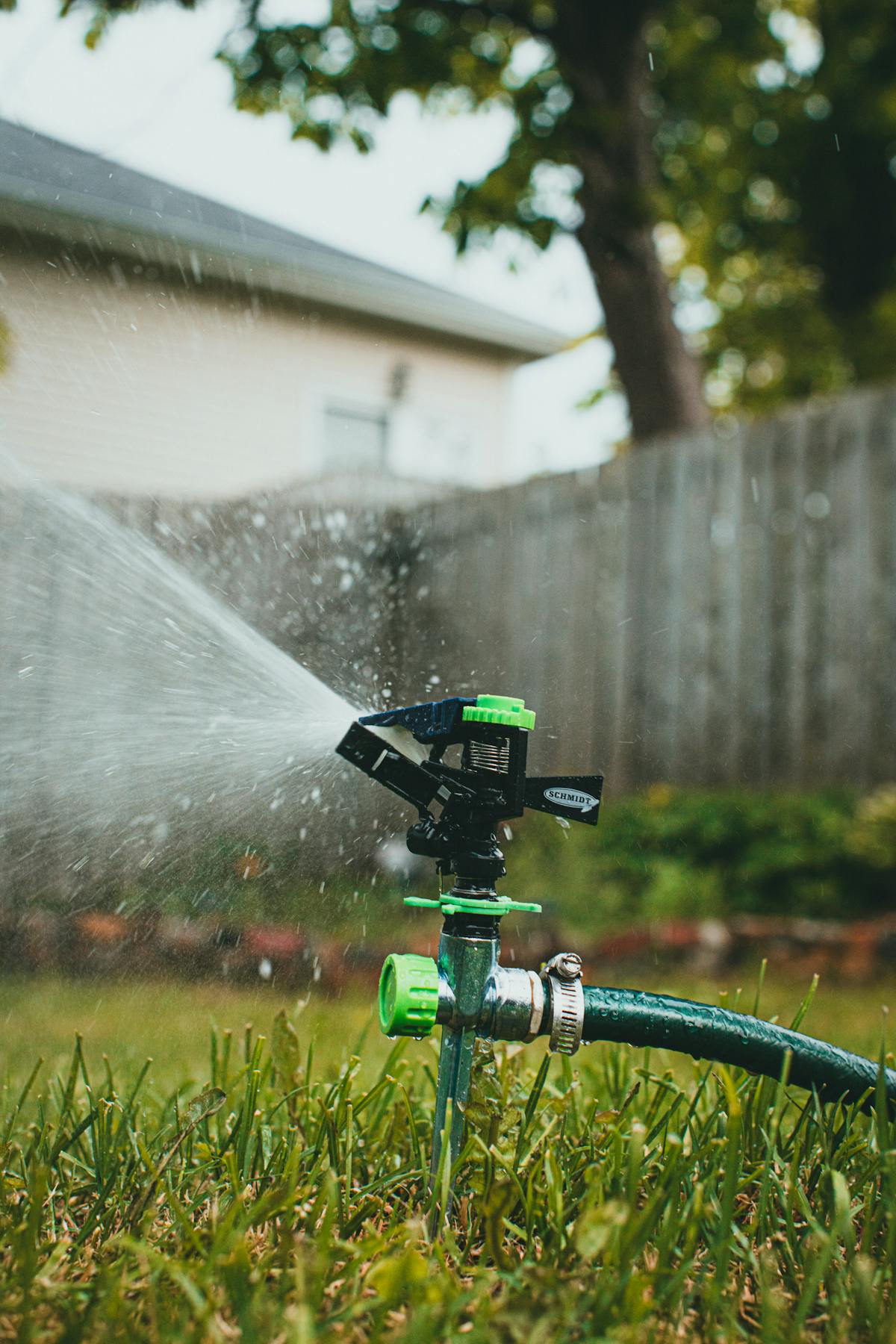
Even though it rains a lot, many lawns still need irrigation—just not on the same schedule. In Osceola County, frequent storms can cause runoff and uneven watering, while dry spells still happen between showers.
The goal is simple: water only when the grass truly needs it, and avoid running sprinklers during or right after heavy rain.
Use Smart Timing and Rain Sensors
If your irrigation system is older or set on a fixed timer, it may run too often during rainy weeks. A rain sensor or smart controller can pause watering when rainfall is sufficient, helping you prevent soggy roots and reduce fungus pressure.
Set watering for early morning when possible. Morning watering reduces evaporation and helps blades dry faster, which lowers disease risk.
Learn the “Rain Equals Less Water” Rule
After a storm, skip irrigation for at least 24–48 hours and then reassess. If your lawn looks dark and springy but not muddy, you may be fine. If it looks wilted or footprints remain after you walk on it, you may need a light irrigation cycle.
For sandy soil, shorter cycles are often better than long ones. They encourage deeper rooting without flooding the surface.
Mow Correctly to Prevent Stress and Thatch
Mowing during the rainy season can be tricky. Grass grows faster with heat and moisture, but wet clippings and uneven cutting can damage your lawn.
Try to mow when the grass is dry enough to cut cleanly. If blades are soaked, you’ll often end up with clumps and a rough finish.
Set the Right Height for Central Florida Grass
Higher mowing height helps grass shade the soil and hold moisture more evenly. It also reduces stress during sudden dry breaks between storms.
A consistent mowing schedule matters more than mowing every few days during heavy rain. If you can, mow weekly or based on growth, not just the calendar.
Keep Blades Sharp and Don’t Scalpe
Dull blades tear grass, especially when it’s growing fast. Avoid scalping, which can thin your lawn and invite weeds.
If your lawn has areas that stay wet, mow those sections last and only when they’re dry enough. That reduces the risk of rutting and soil compaction.
Fertilize with Caution (and Focus on Timing)
Fertilizing in rainy season can help, but it needs the right timing. Too much nitrogen during wet weeks can push fast growth that’s more vulnerable to disease, and it can wash through sandy soil.
For many Central Florida lawns, the best approach is to follow a schedule that matches growth patterns and avoid heavy applications right before prolonged rainfall.
Consider Soil Type and Nutrient Loss
Sandy and sandy-loam soils in Osceola County drain quickly. That means nutrients can move beyond the root zone if you apply right before major storms.
Instead of guessing, consider a soil test. It can guide how much fertilizer you need and what your lawn is missing, especially if you’re seeing patchy growth.
Use Slow-Release Products When Rain is Frequent
Slow-release fertilizer helps feed grass over time. That reduces the “boom and burn” effect and supports steady growth even when weather swings between downpours and sun.
If you’re not sure which product fits your grass type, ask your local sod and irrigation provider. We can help you match fertilizer to your lawn and irrigation plan.
Prevent Weeds and Disease in Wet Areas
Rainy season brings more than growth. It also brings weeds that thrive in disturbed soil and bare patches. If your lawn has thin areas, you’ll often see crabgrass, sedge, or other opportunists move in quickly.
Fungus can also show up in shaded zones, under trees, or in areas with poor airflow. Wet grass that stays damp too long is more likely to develop problems.
Improve Airflow and Sunlight
Simple changes can help a lot. Trim overhanging branches that block sunlight, and avoid letting grass clippings pile up after storms. If you have dense shade, consider mowing slightly higher and keeping irrigation tighter so those areas dry out faster.
Spot-Treat Carefully
If weeds appear, treat them early while they’re small. Spot treatments can be safer for your lawn than blanket spraying, especially when rain is unpredictable.
Because sandy soils can allow chemicals to move, timing matters. Apply when rain is unlikely for at least a day, and always follow label directions.
Fix Drainage Issues Before They Become Lawn Damage
In Osceola County, some yards have low spots, compacted areas, or buried irrigation lines that affect how water moves. During May–October, those issues show up fast as muddy areas or thin turf.
If water pools, roots can suffocate and sod can loosen. Over time, that can lead to washouts, bare patches, and costly re-sodding.
Check for Grading Problems After Heavy Storms
After a strong rain, walk your yard and observe where water collects. Mark those spots and note how quickly they drain.
If water lingers, you may need regrading, improved drainage, or adjustments to irrigation heads so you’re not adding extra water to already wet areas.
Aerate Only When It Makes Sense
Aeration can help with compaction, but timing matters in a rainy season. If you aerate when the soil stays wet for long periods, you can make the lawn worse.
For many lawns, fall aeration is ideal. Still, your lawn’s condition and drainage determine the best plan for Central Florida yards.
Keep Sod Healthy with Rooting Support
If your sod was installed recently, rainy season can be both helpful and risky. The added moisture supports rooting, but too much water on the surface can slow root growth and encourage shallow rooting.
Follow a Short, Controlled Watering Plan for New Sod
New sod typically needs a consistent schedule early on, but during heavy rains you should pause irrigation and let natural rainfall do the job. The best approach is to avoid wetting the surface nonstop.
Check the soil beneath the sod. A quick tug test can show whether roots are starting to grab. If roots aren’t established, keep watering controlled and avoid letting the lawn sit in puddles.
Watch Edge Areas and Transitions
Edges along sidewalks, driveways, and fence lines often drain differently. They may dry out faster or stay wet longer, leading to uneven growth.
Adjust irrigation coverage if you notice dry edges or soggy corners. A small change to sprinkler placement can protect your investment.
Frequently Asked Questions
How often should I water my lawn during Florida’s rainy season?
In Osceola County, you often need less watering during May–October. Skip irrigation after heavy rain, then water only if the grass shows signs of stress or footprints remain after a step.
Can too much rain cause fungus in my sod?
Yes. Wet, shaded areas and lawns that stay damp too long can develop fungus. Mowing at the right height and avoiding irrigation at night helps grass dry faster.
What’s the best way to prevent standing water in my yard?
Start by checking where water pools after storms. If you see lingering puddles, you may need drainage improvements or grading, and you should also confirm your irrigation system isn’t contributing to runoff.
If you want, tell me your grass type and whether your yard has any low spots, and I can suggest a simple rainy-season watering and mowing routine for your Osceola County lawn.
When to call
Call (407) 674-2841 when water stands more than a day, fungus spots spread after storms, or new sod edges dry while centers stay soggy. Say your city and where water pools. Or start at get a sod quote.