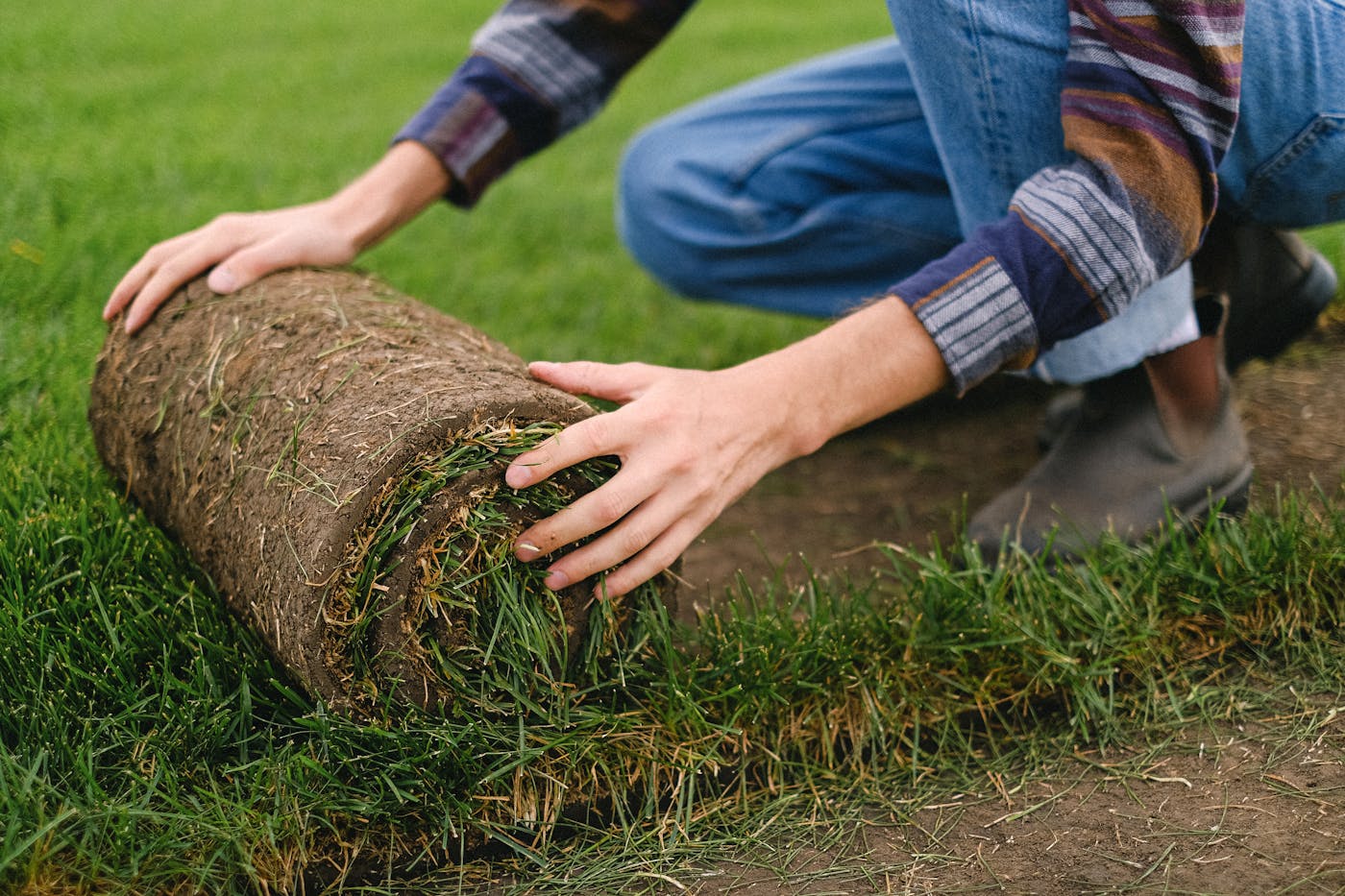
Sod Delivery in Osceola County, FL: Fresh-Cut Sod Pallets Ready to Install
Getting a great lawn in Central Florida starts with the right sod and the right timing. If you need sod delivery in Osceola County, you want fresh-cut pallets that arrive quickly and stay healthy until they’re installed. Whether you’re working on a new home in Kissimmee, refreshing a yard in St. Cloud, or finishing landscaping for a commercial site, dependable delivery makes a difference.
Osceola County’s sandy and sandy-loam soils drain fast, and the climate swings between hot, humid stretches and rainy season downpours. That means your lawn needs sod that’s cut recently, delivered promptly, and installed with proper prep. The goal is simple: help your sod root quickly so it survives Florida’s heat and stays thick and green.
Below, you’ll find practical guidance on buying sod near me, choosing the right grass for your site, understanding sod by the pallet, and avoiding common installation mistakes.
Why Choose Sod Delivery Instead of Picking Up Yourself?
Sod pickup can work for small jobs, but it often creates delays. A full lawn project usually needs multiple pallet loads, and timing matters. Sod quality can decline if it sits too long after harvest, especially in Florida’s sun and heat.
With sod delivery across Osceola County, you get fresh-cut sod pallets delivered fast and ready for installation. That helps you plan your landscaping day, coordinate with your crew, and keep the sod from drying out. It’s also easier to match delivery times to your soil prep and irrigation setup.
Benefits of Professional Sod Delivery in Osceola County
Professional delivery helps you avoid the most common problems: late arrivals, stacked pallets in the wrong conditions, and sod that’s already stressed. You also reduce trips and handling damage, which can lead to uneven seams and poor rooting.
You can also get more accurate planning for larger installs. Many customers need sod by the pallet for full coverage, and delivery schedules make it easier to line up the quantities you need.
Fresh-Cut Sod Pallets for Central Florida Lawns
Fresh-cut sod is sod harvested and cut to order so it’s ready to lay. In Central Florida, that freshness matters because your sod is fighting heat, humidity, and fast soil drying. Fresh-cut sod helps it stay flexible and improves chances of quick rooting.
When you request fresh cut sod delivery, you’re aiming for a clean, consistent product that looks good immediately and establishes well over the next few weeks. Your job site should be ready—graded, weed-free, and prepared—so the sod can go down right away.
What “Fresh Cut Sod” Means for Your Installation
Fresh cut sod typically means the grass is harvested recently and delivered quickly. It also means the sod is less likely to be brittle or dry at the edges. In Florida, those small details can affect how well the seams knit together.
If your site is in the rainy season (May–October), you still want fresh sod. Rain can help, but it can also slow work and create muddy conditions if prep isn’t managed. Delivery timing helps you lay sod when it can be installed and rolled/pressed properly.
Choosing the Right Grass Types for Osceola County
Osceola County sits in USDA climate zone 9b–10a. That warm climate supports several popular turfgrass options, but the “best” choice depends on sun exposure, traffic, and how much maintenance you can handle.
Many homeowners prefer sod that stays green and recovers well after Florida heat. The most common grass types used for sod lawns in the region include St. Augustine, Bahia, and Zoysia. Your local conditions—especially sandy soil and watering patterns—should guide your selection.
St. Augustine Sod (Popular for Florida Lawns)
St. Augustine grass is a top choice for many yards in Osceola County. It handles humidity well and forms a dense, lush carpet. It also tends to do well in residential settings with regular irrigation.
If your yard gets partial shade, St. Augustine often performs better than some heat-tough grasses. It also looks great when installed correctly and watered consistently during establishment.
Bahia Sod (Great for Sun and Tough Sites)
Bahia grass is known for its ability to handle full sun and sandy soils. It’s often selected for areas where you want durable coverage and less fuss. Because sandy soil drains quickly, Bahia’s natural toughness can be a good match.
That said, Bahia can be less “velvety” than St. Augustine. It can also have a different color tone depending on mowing height and fertility.
Zoysia Sod (Dense, Slow to Establish, Strong Long-Term)
Zoysia can create a thick, attractive lawn with strong density once established. It typically grows more slowly at first, which means installation and early watering matter. For some homeowners, the payoff is a lawn that holds up well over time.
If you’re planning a full yard install, talk with your sod supplier about timing for your schedule. In Central Florida, you’ll want to coordinate early establishment so the roots have time to settle before the hottest stretches.
Understanding Sod by the Pallet and Sod Pallets
Most sod orders are measured by sod pallets. This approach helps you calculate coverage and keep your project organized. Each pallet holds a specific area, so your total pallet count depends on lawn size and waste for edges and irregular shapes.
When you buy sod near me, ask how sod pallets are counted for your area. Some suppliers also help estimate quantities based on square footage. That reduces the chance of running short mid-project.
How to Estimate the Right Number of Sod Pallets
Start by measuring your lawn area in square feet. Then subtract areas you won’t cover, like sidewalks, driveways, or landscaping beds. Next, account for curves, gates, and corners where you may need extra pieces.
A helpful rule of thumb is to add a small buffer for waste. Even careful installers lose some material to trimming and seams. If you want a “no-stress” delivery plan, request a pallet count that accounts for your site layout.
What Affects Pallet Quantities in Osceola County
Osceola County yards often include slopes, landscaping borders, and drainage features. Sandy soil can also make grading uneven, especially if the yard was previously disturbed. If your site has dips or low spots, you may need additional sod to achieve full coverage after leveling.
Also consider your irrigation layout. If you’re updating sprinklers or adding zones, you might need to coordinate delivery with those changes so sod isn’t waiting in pallets too long.
Sod Delivery Coverage Across Osceola County, FL
Sod delivery should be fast and consistent, not just “available.” For Osceola County residents, reliable logistics matter because fresh sod is perishable. The goal is to get sod pallets to your site in a condition that’s ready for immediate installation.
Delivery commonly serves areas like Kissimmee, St. Cloud, Poinciana, and nearby neighborhoods. If your property is near major roads or planned communities, delivery timing can be scheduled around gate access and job site rules.
Scheduling Delivery Around Osceola County Weather
Osceola County’s rainy season runs roughly from May through October. Afternoon storms can interrupt landscaping days, and heavy rain can delay soil work. Because of that, planning your delivery window matters.
If rain is expected, you may still be able to install sod after light showers, but you need stable ground. Sandy soils can turn slick, and muddy conditions can prevent proper rolling and seam contact. A reliable sod delivery company can help you coordinate a practical install day.
Preparing Your Yard for Sod Installation (So It Takes Root)
Even the best sod won’t thrive if the base isn’t ready. For sandy and sandy-loam soils in Central Florida, preparation is key. You want a firm, level surface with good contact between soil and sod.
Before pallets arrive, plan your prep steps. This reduces downtime and keeps sod from sitting exposed. It also helps the seams knit together for a smooth, even lawn.
Step-by-Step Sod Prep for Sandy Soil
- Remove debris and weeds. Clear rocks, sticks, and existing weeds so the sod can contact clean soil.
- Grade and level. Fill low spots and smooth high points so water spreads evenly.
- Loosen and compact the base. Sandy soil can be loose, so you want a firm bed.
- Add soil amendments if needed. If your soil is extremely sandy, you may benefit from improving the top layer.
- Water the base lightly before laying sod. The goal is damp soil, not mud.
If your yard has existing irrigation, check coverage. You want to avoid dry corners where sod roots struggle.
Osceola County Land Development Code Considerations
Osceola County projects may require compliance with local rules for land development, drainage, and stormwater management. If you’re working on a new build, a planned community lot, or a commercial site, confirm that your landscaping plan aligns with the Osceola County Land Development Code.
That often includes how runoff is handled and how grading is performed. If you’re unsure, ask your contractor or check the local requirements before laying sod. Proper drainage helps prevent washouts and uneven establishment.
Best Practices for Laying Sod (Even if You’re Not a Pro)
Laying sod is more than rolling out pallets. Proper placement and seam contact affect how quickly the lawn knits together. In Florida’s heat, you also want to minimize time the sod sits uncovered.
Fresh-cut sod pallets should be installed promptly. If you’re doing a DIY install, plan your layout ahead of time so you don’t stop mid-job. If you’re using a crew, confirm who will manage watering and rolling right after installation.
How to Lay Sod So Seams Don’t Separate
- Stagger seams like brickwork. Avoid straight seams that can separate.
- Press sod edges firmly. Touching edges help prevent gaps.
- Roll the lawn after installation. Rolling improves soil-to-sod contact.
- Cut around edges cleanly. Trim carefully for tight borders.
For sandy soil, good contact is especially important. If the base is too loose, roots may not anchor quickly.
Watering After Sod Delivery: The Establishment Plan
Water is the difference between “it looks great today” and “it thrives next month.” After sod delivery and installation, you need a consistent watering schedule. The goal is to keep the sod and top layer moist while roots grow into the soil.
In Osceola County, water needs can change based on sun, wind, and the time of year. During the rainy season, you may need less supplemental watering, but you still shouldn’t assume nature will do the job.
A Simple Watering Schedule for Central Florida Sod
For the first days after installation, keep the sod evenly moist. Many installers follow a short, frequent schedule early on, then gradually reduce as roots establish.
- First week: Frequent watering to keep the sod from drying out
- Weeks 2–3: Slightly longer watering cycles, less frequency
- After 3–4 weeks: Reduce further as the lawn roots deeper
Always adjust based on rainfall. If heavy rain hits, check the soil moisture before watering again.
Signs Your Sod Needs More or Less Water
- Too dry: edges curl, seams lift, and grass looks dull
- Too wet: pooling water, spongy feel, or fungus risk
- Balanced: sod stays flat, seams knit, and grass looks vibrant
If you see edges lifting, it usually means the soil under that section isn’t staying moist enough or the base wasn’t compacted.
Fertilizing and Maintenance for a Healthy Lawn
Once your sod is established, maintenance helps it thicken and stay resilient. In Central Florida, proper mowing height and light fertilizing can support strong growth without stressing the lawn.
Avoid heavy traffic on fresh sod. Footsteps and vehicle weight can damage seams and slow rooting. If you’re installing near a driveway or walkway, plan a temporary route while the lawn settles.
Mowing Tips After Sod Takes Root
Wait until the sod roots well before mowing. When you do mow, keep your blades sharp and avoid cutting too low. Cutting too short can stress the grass and slow recovery.
For St. Augustine and Bahia, mowing height matters for heat tolerance. For Zoysia, a consistent mowing plan helps maintain density.
Fertilizer Timing in USDA 9b–10a
Fertilizing too early can burn new roots. Many lawn plans use a gradual approach after establishment. If you’re unsure, ask your local landscaping professional for a schedule that matches your grass type and the season.
Common Sod Delivery and Installation Mistakes to Avoid
Even careful homeowners can run into problems. Most issues come from poor planning, delayed installation, or incorrect watering.
Mistake 1: Letting Sod Sit Too Long
Sod pallets should be installed soon after delivery. Leaving pallets stacked in heat can dry the grass and weaken the base. If your job site isn’t ready, schedule delivery closer to installation time.
Mistake 2: Not Prepping the Soil Firmly
Sandy soil can be loose, and loose bases cause poor root contact. Compact the bed enough to support sod without creating a hard layer. The best sod results come from soil-to-sod contact.
Mistake 3: Overwatering or Underwatering
Too little water prevents roots from anchoring. Too much water can create shallow roots and increase disease risk. Follow a consistent plan and adjust based on rainfall and temperature.
Mistake 4: Skipping Local Drainage Checks
If water pools after rain, sod may fail in those areas. Osceola County properties can vary widely in drainage. Make sure your grading and irrigation match the natural flow of your yard.
How to Buy Sod Near Me in Osceola County (Checklist)
If you’re searching “buy sod near me,” use a quick checklist to find the right supplier. The best choice isn’t only about price. It’s about freshness, delivery reliability, and grass that fits your site.
What to Ask Before Ordering Sod Pallets
- Do you provide sod delivery across Osceola County?
- Is the sod fresh-cut and delivered quickly?
- How are sod pallets counted for coverage?
- Which grass types are best for sandy soil in Central FL?
- Can you help estimate pallet quantities based on square footage?
- What delivery window works best for installation timing?
A reliable sod delivery provider will help you plan the process end-to-end, not just drop off pallets.
Fast, Reliable Sod Delivery with Fresh-Cut Pallets
Sod delivery in Osceola County should be simple: order the right grass, schedule a delivery window, and get fresh-cut sod pallets ready to install. When the sod arrives in good condition, your installation goes faster and the lawn establishes more evenly.
Whether you’re laying St. Augustine for a lush residential look, choosing Bahia for sun and sandy soil durability, or installing Zoysia for dense long-term coverage, delivery timing and soil prep are what drive results. With a clear plan, you can avoid delays, reduce stress, and get a lawn that looks great from day one.
FAQ: Sod Delivery in Osceola County, FL
1) How fast is sod delivery in Osceola County?
Delivery speed depends on your location and your scheduled time window, but the goal is always quick turnaround. Fresh-cut sod pallets work best when they arrive close to install time.
2) What grass types are best for sandy soil in Central Florida?
Many homeowners choose St. Augustine, Bahia, or Zoysia depending on sun and maintenance preferences. Sandy and sandy-loam soils drain quickly, so selecting a grass that matches your watering routine matters.
3) How do I figure out how many sod pallets I need?
Measure your lawn area in square feet and account for trimming along edges and obstacles. Many suppliers can help estimate pallet count, especially for full-yard installs.
4) Can I buy sod near me and still get fresh cut sod?
Yes. The key is choosing a supplier that can deliver promptly and provide fresh-cut sod pallets. Avoid sod that’s been sitting too long after harvest.
5) What’s the best time to install sod in Osceola County?
You can install year-round, but timing affects watering needs and establishment. During the rainy season (May–October), you still need stable soil conditions for proper rolling and seam contact.
6) How long should I water new sod after delivery?
Most lawns need frequent watering during the first week, then gradually less as roots establish. Adjust for rainfall and check soil moisture so the sod stays evenly moist without pooling.
7) Do I need to follow Osceola County Land Development Code for sod installation?
If your project involves new construction, grading, or drainage changes, you may need to follow local requirements. It’s smart to confirm drainage and landscaping rules for your site before installation.
8) What happens if it rains after my sod is installed?
Light rain may not be a problem, but heavy rain can slow work and create muddy conditions. Once installed, monitor moisture levels and avoid foot traffic until the sod is stable.
If you want, tell me your city (Kissimmee, St. Cloud, Poinciana, etc.), your approximate square footage, and which grass you prefer, and I can help you estimate a reasonable pallet count and a simple delivery/install timeline.