A bumpy lawn is not just ugly — it scalps under the mower, holds water in the dips, and starves the high spots until thin turf turns to weeds and bare sand. In Osceola County most bumpiness comes from three sources: builder backfill that settled unevenly, old tree stumps and trenches that sank, and sandy soil that shifted under thin turf during May–October storms. Lawn leveling fixes the surface so the mower cuts even, water sheets instead of pooling, and new sod roots on flat ground.
Leveling is not the same as drainage grading. Grading sets the direction water leaves the yard; leveling removes the chop so the grade actually works. Most bumpy Kissimmee, St. Cloud, and Poinciana lawns need leveling first, then sod — one crew, one quote. Call (407) 674-2841.
Reading your bumps: what kind of uneven do you have?
Walk the lawn slowly and mark what you feel underfoot, then mow once at your normal height and read the scalp marks — they map the highs for free.
- Mower scalping on ridges: brown shaved stripes after every cut mean high spots. The blade hits the crowns on the humps while the surrounding grass stays tall. Classic after builder rough-grade, common on St. Augustine lawns cut at 3.5–4 inches.
- Ankle-twister chop: small dips and clods every step, usually from old sod seams, buried debris, or hog damage that was never smoothed. Water sits in each pocket after rain and fungus follows.
- One or two sunken bowls: a settled trench line, a removed tree, a low side yard that takes the neighbor’s sheet flow. A localized fill job, not a whole-yard project.
- Whole yard slopes toward the house or holds lakes for days: that is a grade and drainage problem first. Leveling sand over it hides the symptom for one season. Start with lawn grading and yard drainage diagnosis, then level.
Do the string-line test before you buy sand: stretch a mason line tight across the worst 10 feet, hang a line level on it, and measure down to the soil every 2 feet. Dips under 1 inch are topdress territory. Dips of 1–3 inches need staged lifts. Anything deeper than 3 inches, or soft spots that swallow a screwdriver, need excavation of buried debris or a regrade — not more sand.
Topdress vs regrade vs re-sod: the decision path
Three tools, three depths. Picking wrong is how lawns get buried alive.
- Sand topdressing (dips under 1 inch): mow low, spread washed masonry sand at 1/4–1/2 inch per pass, drag it flat with a leveling rake or drag mat, water it in. St. Augustine tolerates one shallow pass per growing season; Bahia tolerates more; Zoysia takes leveling best and recovers fastest. Repeat in 4–6 weeks if needed. Never bury St. Augustine crowns deeper than half an inch in one pass — it suffocates instead of pushing through.
- Staged lifts (1–3 inches): same sand, two to three passes across the growing season with full recovery between. Each lift is dragged, watered, and mowed before the next. This is the standard fix for settled builder pads and old trench lines under otherwise healthy turf.
- Cut-and-fill regrade (over 3 inches, or water runs the wrong way): sod is cut, stockpiled in shade, soil is moved to rebuild fall, then sod goes back the same day or fresh sod is laid. This is finish-grade work inside a sod installation job, described in why grading before sod matters.
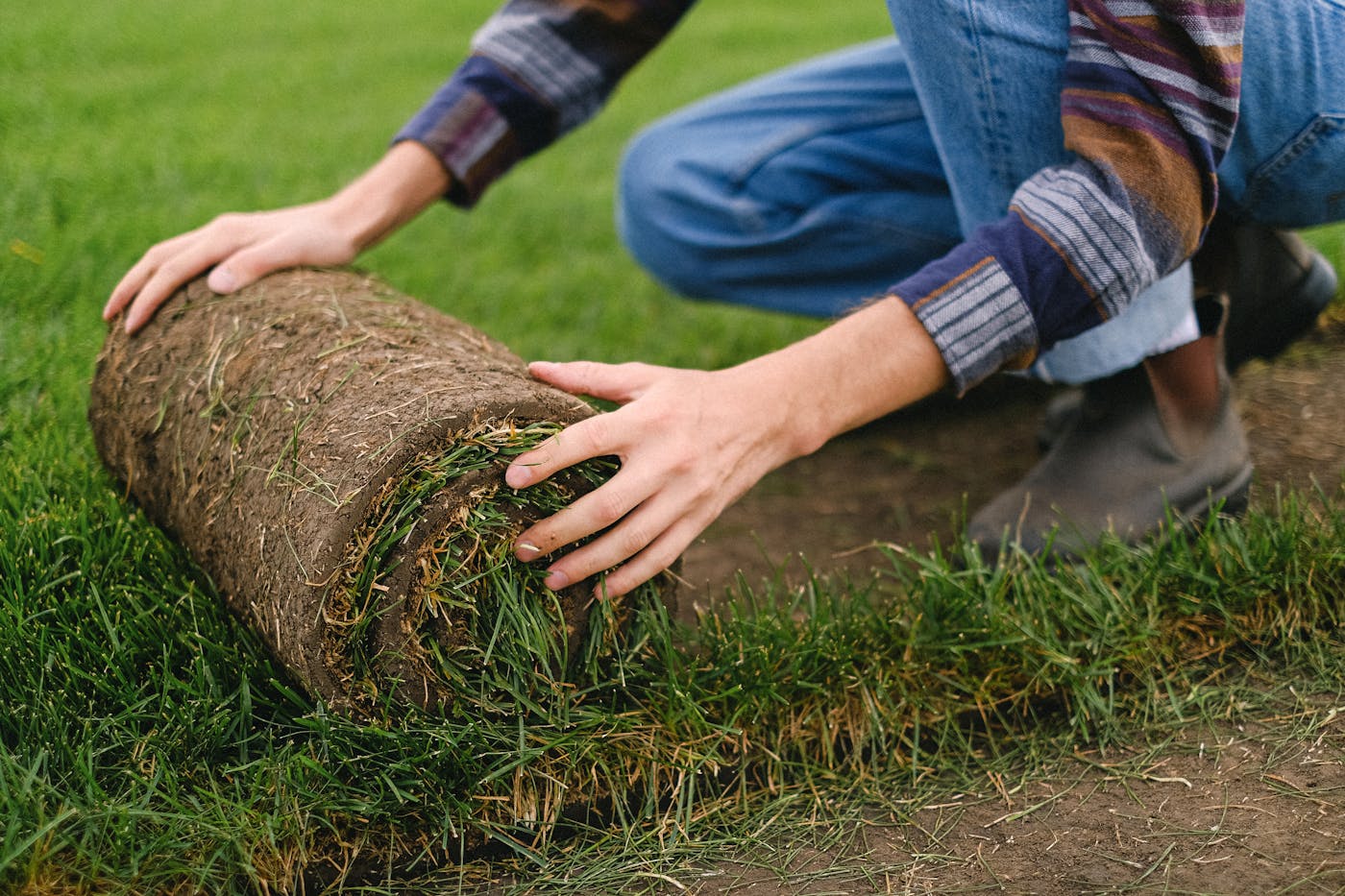
- Strip and reset (buried trash, thick thatch, multiple grass types): old turf is cut out and hauled per sod removal, the base is leveled, then new sod rolls flat. Cheaper than topdressing a lawn that needs replacing three times.
If standing water stays more than a day after rain, treat that as drainage first regardless of bump depth — see the bucket-test method and the drainage risk checker before scheduling leveling.
What a good leveling visit includes
A quote worth signing comes from measurements, not a drive-by. Expect the visit to cover: string-line or rotary-level readings across the worst zones with depths written down, soil texture notes (sugar sand vs loam vs buried clay pockets near Shingle Creek), thatch depth and grass-type check (St. Augustine buries poorly, Bahia recovers, Zoysia levels cleanest), sprinkler head heights (leveled soil buries heads — heads get raised on swing joints during the job, verified against irrigation repair standards), and outlet and slope confirmation so leveling never traps water against the slab.
The deliverable is a simple map: highs marked for shaving, dips marked with fill depth, and a pass count — one pass or staged — plus line-item pricing per pass so you can stop when the lawn mows clean.
Sand, soil, or mix: what goes down
- Washed masonry sand is the default topdress on Central Florida lawns. It matches the native sandy profile, drains, drags flat, and does not import weed seed. Ask for washed — unwashed fill brings silt that seals the surface.
- Sand plus compost topdress (thin): on starved sugar-sand spots a light organic fraction helps hold water through July heat. Keep it a minority fraction; thick organic layers hold too much water in rainy season and go soft underfoot.
- No heavy topsoil caps over sand: a clay-heavy cap over sand perches water at the interface and drowns roots. If the yard needs real soil building, that is a regrade conversation, not a topdress one.
- Sod-bed sand after regrade: fresh slabs go onto firm, dragged sand rolled for contact — the same bed prep as every sod installation job.
One load covers more than owners expect: a cubic yard of sand topdresses roughly 1,000 square feet at a quarter inch. Most residential leveling jobs run 2–5 yards per pass, delivered and dragged the same visit.
Cost bands
Honest bands for Osceola County planning — final price follows depth, access, and pass count from the yard grading cost guide:
- Single sand topdress with drag and cleanup: typically $450–$1,100 for an average 3,000–5,000 sq ft front or back lawn in one pass.
- Staged leveling (two to three passes across the season): typically $1,200–$2,800 total including return drags and sprinkler head raises.
- Cut-fill regrade with existing sod reset: typically $1,200–$3,500 depending on soil volume and access, usually bundled with sod work.
- Strip, level, and re-sod: priced per square foot like new sod ($1.50–$3.00 per sq ft installed) plus the leveling line item — the cheapest long-term answer when the old turf is mixed grasses and thatch.
Gate access matters: a 36-inch side gate that forces wheelbarrow work costs more than open trailer access. HOA letters, if required for visible work, are handled before scheduling.
Grass choice after leveling
Leveling exposes what the lawn really is. Mixed patches of St. Augustine, Bahia, and common Bermuda never level evenly because each grows at its own rate and height. If the lawn is more than a third weeds or mixed grasses, reset it: level the base, then lay one cultivar wall to wall. Sandy full-sun lots take St. Augustine or Zoysia; wet-foot zones and large low-input yards do better in Bahia. The cultivar picker is the grass selector, and failures in the work zone are handled per sod removal.
Water the new surface on the 30-day establishment schedule from day one — leveled sand dries fast in afternoon heat, and edges curl if the first two weeks run dry.
When to call
Call (407) 674-2841 when the mower scalps every cut, water sits in dips more than a day, or ankles roll crossing the lawn. Say your city, the deepest dip from the string test, your grass type, and send photos of the scalp lines and puddles. Or start at get a sod quote.
Useful local pages
- Lawn grading services
- Sod installation
- Sod removal and reset
- Why grading before sod matters
- Grading before sod in Kissimmee
FAQ: lawn leveling in Osceola County
Will topdressing fix my flooding?
No. Topdressing smooths bumps under an inch; flooding is grade and outlet work. Yards that hold lakes need yard drainage diagnosis first, then leveling once water has an exit.
Can you level over St. Augustine without killing it?
Yes in shallow passes — a quarter to half inch of washed sand per growing-season pass, dragged off the leaf blades and watered in. Deep single burials suffocate St. Augustine crowns. Bahia and Zoysia push through deeper fills faster.
How many passes will my yard need?
String-line dips under an inch usually finish in one pass. One to three inches takes two to three staged passes with recovery between. Deeper than three inches, or soft trash-filled spots, need excavation or regrade rather than more sand.
Do sprinkler heads need raising after leveling?
Almost always after anything beyond a dusting. Heads buried by new sand throw short and brown-ring the lawn within weeks. Raises on swing joints are part of the quote, checked against irrigation repair standards.
When is the best month to level?
Active growing season — late April through September — when warm-season turf recovers fastest. Shallow touch-ups work into early fall; deep staged work should start by early summer so the last pass roots before cool slowdown.