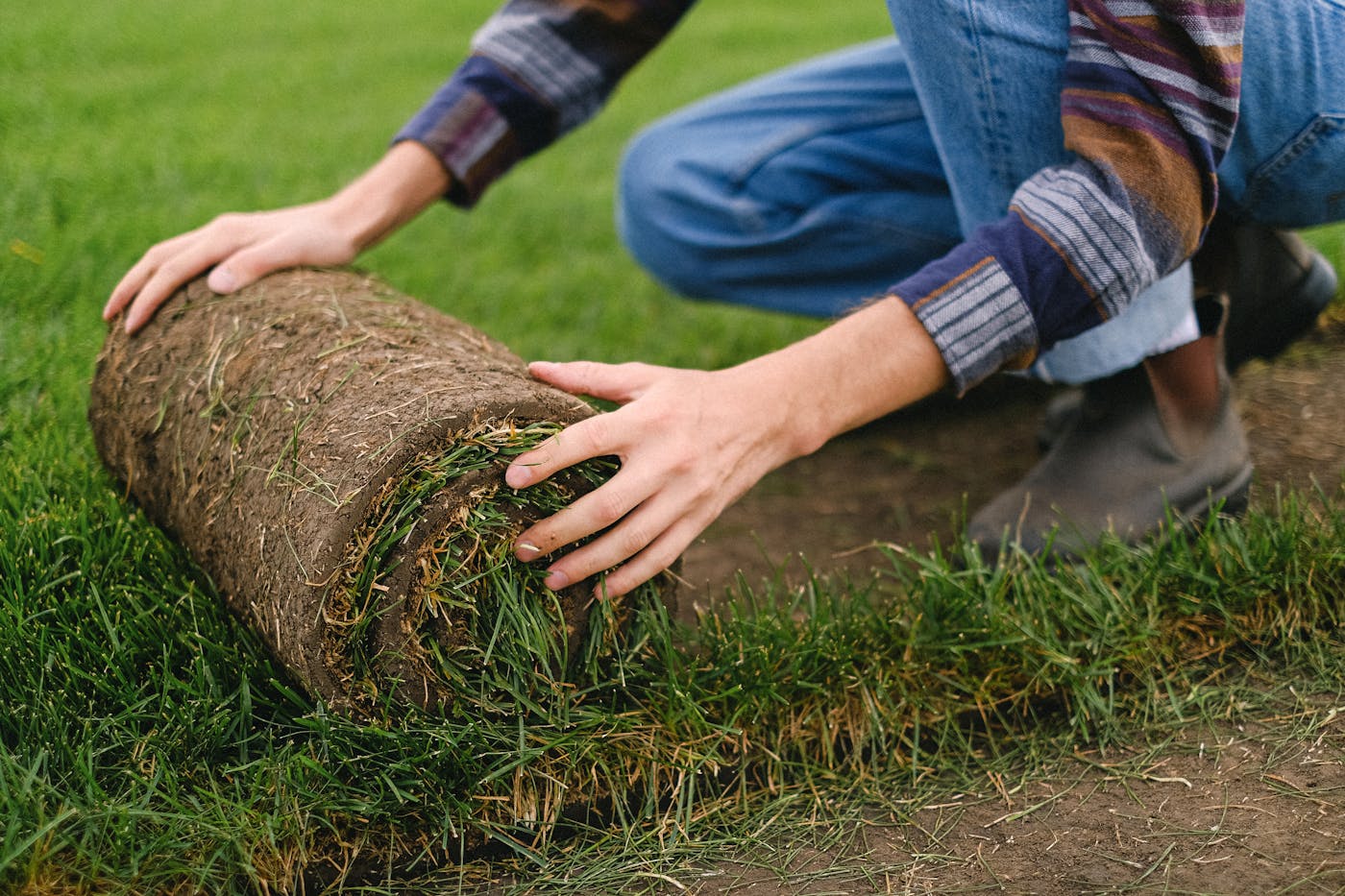
Short answer: September–October and March–May root fastest in Osceola County, but we install year-round — most jobs finish in 3–7 days. Rainy season (May–October) helps; winter just needs steadier watering. Call (407) 674-2841 to lock a date.
If you’re planning to install new sod in Central Florida, timing matters. In Osceola County, the best results usually come from working with the weather—especially the hot, wet months and the cooler, drier stretch after.
Sod can take root faster when temperatures are right and the soil stays moist. But if you install at the wrong time, you can end up with patchy coverage, slow rooting, or sod that dries out before it connects.
Quick answer
In Osceola County, September–October and March–May root fastest, but we install year-round — most jobs finish in 3–7 days. Rainy season (May–October) helps; winter just needs steadier watering. Call (407) 674-2841 to lock a date.
Best Seasons for Sod Installation in Osceola County
Florida’s climate is warm most of the year, but it still changes. In USDA zones 9b to 10a, lawns grow best when heat and moisture are balanced.
Spring: A Strong Window for Many Lawns
Spring is often one of the best times to install sod in Osceola County. Temperatures are warm enough for quick establishment, but the heat is usually less intense than in late summer.
You’ll also see more consistent rainfall leading into the rainy season. That helps keep sandy soil from drying out too quickly.
Late Summer to Early Fall: Often the Fastest Rooting
For many homeowners, late summer and early fall are ideal. This lines up with Florida’s rainy season, which runs roughly May through October.
When rain falls regularly, sod can stay hydrated while roots grow into sandy/sandy loam soils. That’s a big deal in Central Florida, where water drains faster than it does in heavier soils.
Winter: Possible, But Requires Care
Winter can still work for sod installation, but it depends on what “winter” means that year. In Osceola County, days stay mild, but cooler snaps can slow growth.
If you install in winter, plan to water more carefully and avoid letting the new sod dry out. Rooting may take longer than it does in spring or early fall.
Timing by Month: What to Expect
The best time to install sod in Florida isn’t just about the season. It’s also about how the month’s weather affects moisture and heat.
March to April: Good Temperatures, Manageable Watering
March and April are typically favorable. Growth is active, and you can often get strong results with a steady irrigation schedule.
Because sandy soil drains quickly, you still need regular watering during the first couple of weeks. Even light dry spells can stress new sod.
May: The Start of Easier Moisture
May often marks the transition into the rainy season. You may get more natural rainfall, but you can still see hot, sunny days between storms.
If you install in May, your irrigation plan should cover both rainy breaks and dry afternoons. That keeps the sod from drying before roots anchor.
June to August: Fast Establishment, Higher Heat Risk
June through August can be excellent for rooting—especially after rain begins to fall more consistently. However, the heat is intense, and the top layer of sandy soil can dry out fast between showers.
During these months, installation success often comes down to how quickly the sod is laid and how well it’s watered right away. Your irrigation timing matters as much as your schedule.
September to October: One of the Best Times to Install
September and October are often a sweet spot. You get warm temperatures plus more frequent rain, which supports quicker rooting.
This is also a time when many lawns bounce back well after summer stress. With proper watering, sod can knit into the soil quickly.
November to February: Lower Growth, Still Doable
In cooler months, sod may not root as fast. It can still work, but you’ll need patience and consistent moisture.
If you choose a winter installation, avoid long gaps in watering. New sod has limited root depth at first, so it relies heavily on you to keep the soil evenly moist.
Weather Conditions That Make Sod Succeed
Even if you choose the right season, weather details can make or break your results. Aim for conditions that reduce stress on the sod.
Temperature: Stay in the Comfort Zone
Most sod varieties establish best when temperatures are warm. In Central Florida, that usually means spring through fall.
If you install during a heat spike, you may need tighter watering and faster installation. Sod that sits in a stack too long can dry out, even on a “good” day.
Rainfall: Use It, Don’t Assume It
Rain helps, but it doesn’t always land evenly across Osceola County. A storm could hit one neighborhood and miss another.
For that reason, you’ll still want a plan for dry periods. Sandy soil can lose moisture quickly, even when the forecast shows rain.
Wind and Sun: Protect New Sod
Wind can dry the surface and speed up moisture loss. Direct sun can also heat the sod and soil quickly, especially during midday.
When possible, schedule installation earlier in the day or on a calmer weather window. Your goal is to reduce evaporation while the sod is still fresh.
Soil Type Matters in Osceola County
Central Florida’s sandy and sandy loam soils drain faster than clay. That’s why sod needs more frequent moisture early on.
If the soil dries out before roots grow, the sod can shrink, lift, or develop gaps. With the right watering schedule, sandy soil can actually be a plus because roots can spread into a loose, workable surface.
A proper prep step helps too. Grading, removing debris, and smoothing low spots all support better contact between sod and soil.
Irrigation Planning for the First 2–3 Weeks
Sod needs consistent moisture while it roots. In Osceola County, that usually means a daily plan at first, then gradual reduction.
First Week: Keep the Surface Moist
During the first 5–7 days, aim to keep the top layer of soil moist. This helps the sod stay alive and encourages early rooting.
Your irrigation schedule should also account for heat and wind. On hotter days, you’ll likely run longer or more frequently.
Second Week: Shift Toward Deeper Rooting
In week two, the goal is to encourage roots to grow down. That means watering less often, but for longer periods that reach deeper into the soil.
Because sandy soil drains quickly, you may still need multiple short cycles. The key is avoiding dry pockets.
Weeks Three and Beyond: Reduce Gradually
By the third week, roots are often more established. You can usually start transitioning to a more typical lawn schedule.
Even then, watch for stress. If the sod looks dull, footprints stay longer, or edges curl, you may need more water.
Choosing the Right Sod for Florida Conditions
Different sod types handle heat and moisture differently. Your sod choice affects how forgiving the installation window will be.
Cool-season grasses generally struggle in Florida heat. Warm-season grasses tend to perform better across USDA 9b–10a, especially in spring and summer.
A local sod professional can recommend options that match your sun exposure, mowing height preferences, and irrigation setup.
Local Tips From Osceola County Installers
Here are practical steps that help Central Florida homeowners get stronger results.
- Install when the sod can be watered immediately. Don’t wait until the next day if possible.
- Avoid installing during extreme midday heat. Early morning often reduces stress.
- Keep sprinkler coverage consistent. Uneven coverage is a common cause of patchy rooting.
- Plan for busy rainy-season schedules. Storms can affect delivery and access, so allow buffer time.
If you’re working around landscaping, sprinklers, or existing hardscape, schedule the prep work first. A smooth base helps sod sit flat and improves root-to-soil contact.
FAQ
What is the best time of year to install sod in Osceola County?
Spring and early fall are usually the best times. Late summer and September–October often provide warm temperatures and helpful rainfall.
Can I install sod during Florida’s rainy season?
Yes. The rainy season from May through October can support faster rooting, especially with sandy/sandy loam soils. Still, you should water during dry breaks.
How long does sod take to root in Central Florida?
Many lawns begin rooting within the first 1–2 weeks, but full establishment can take several weeks. A careful watering schedule during weeks one through three makes a big difference.
Book the install
What our crew sees: timing matters less than water on day one. Pick the month that suits you and we handle the rest — graded base, tight seams, and a watering plan, done in 3–7 days. Call (407) 674-2841.
- Sod installation in Kissimmee and sod installation in St. Cloud
- Service details: sod installation
When to call
Call (407) 674-2841 when you have a target month, city, and square footage — we hold a route and set the watering plan. Or start at get a sod quote.