faqs:
- question: “What is the costliest mistake on new-build sod?” answer: “Skipping the irrigation check — heads buried under grade stakes and unbalanced zones kill fresh sod in weeks. Verify every zone before laying.”
- question: “How fast can a new-construction yard be sodded?” answer: “Most Osceola County new-build yards finish turn-key in 3–7 days at $1.50–$3.00 per sq ft, coordinated with your closing date.”
- question: “Do we need irrigation during rainy season?” answer: “Yes — May–October storms are inconsistent, and sandy soil dries between them. Irrigation keeps moisture steady while roots establish.”
- question: “When can we mow new sod?” answer: “Usually after a few weeks, once roots resist a gentle tug. Wait until the lawn holds firm so mowing does not lift seams.”
Short answer: strip the debris, fix the grade, verify every sprinkler zone, then lay St. Augustine — most new-build yards finish in 3–7 days. Skipping the irrigation check is the costliest mistake on fresh grades. Call (407) 674-2841 for a turn-key quote.
New construction sod installation can make a home look finished fast. In Osceola County, FL, it’s also a practical choice because Central Florida lawns establish quickly when the soil and irrigation are set up correctly.
This guide walks you through the full process, from site prep to aftercare. You’ll also learn how to plan around sandy/sandy loam soil and the rainy season from May to October.
Quick answer
In Kissimmee, St. Cloud, and Poinciana new builds, strip debris, fix grade, verify every sprinkler zone, then lay St. Augustine — most yards finish turn-key in 3–7 days at $1.50–$3.00 per sq ft. Compacted builder soil and buried heads are the norm, so the irrigation check comes before sod day, not after. Call (407) 674-2841.
Why Sod for New Construction in Osceola County, FL?
Sod helps new builders and homeowners create instant curb appeal. It also reduces erosion risk on fresh grades, especially on sandy soils that can shift with heavy rain.
In USDA 9b–10a, warm-season grasses grow well year-round. That means sod can root in faster than many other regions, as long as irrigation and soil prep are done right.
Choosing the Right Sod for Central Florida
Not all sod performs the same in Central Florida conditions. Many homeowners choose St. Augustine grass because it’s a common fit for shade, heat, and traffic in the area.
Your best option depends on sun exposure, how the lawn will be used, and whether the yard has slopes or drainage issues. A local sod and irrigation team can match the grass to your site so you don’t waste time replacing patches later.
Common Sod Options in Osceola County
- St. Augustine grass: Great for most residential yards in Central Florida. Where water use or wear is a concern on a new lot, compare the alternative spec for Zoysia sod in Campbell.
- Zoysia grass: Often chosen for its density and drought tolerance. Builders upgrading to that dense profile often spec Zoysia sod in Meadow Woods for new-construction fronts.
- Centipede grass: A lower-maintenance option for some sandy soil sites.
Site Prep: The Most Important Step
Sod installation starts before the first roll touches the ground. For new construction, the biggest issues usually come from settling soil, compacted areas, and uneven grading.
In Osceola County, you’ll often see sandy/sandy loam soil that drains quickly. That’s good for avoiding puddles, but it also means moisture can disappear fast if irrigation coverage isn’t accurate.
Grade, Drainage, and Soil Leveling
Before sod goes down, the yard needs proper grading. The goal is to direct water away from the home and toward swales or drainage points.
Your installer should also check that the soil is level. Any dips or humps will show through once the sod is rooted, and they can create dry spots or standing water.
Remove Debris and Fix Compaction
New construction sites may have small rocks, leftover building materials, and compacted soil. Sod doesn’t root well in hard, compacted ground.
A good prep process includes:
- Clearing debris and trash
- Loosening compacted areas
- Adding topsoil or soil amendments where needed
- Raking to create a smooth, firm seedbed-like surface
Soil Testing and Amendments for Sandy Soil
Sandy soil can be productive, but it often needs help holding nutrients and moisture. A soil test is the best way to confirm what your lawn needs before sod is laid.
For sandy/sandy loam in Central Florida, common needs include improving fertility and supporting strong root growth. Your sod provider may recommend specific amendments based on pH and nutrient levels.
Firm, Not Powdery: The “Right” Soil Texture
Sod should be installed on a surface that’s firm enough to support rolling and foot traffic. If the soil is too loose, sod can shift and roots won’t anchor well.
If it’s too hard, roots struggle to penetrate. The ideal surface is smooth, level, and lightly compacted—ready to hold moisture during the rooting phase.
Irrigation Planning: Make Sure It Works Before Sod
For new construction, irrigation planning is often the difference between a lawn that thrives and one that struggles. Sod needs consistent moisture right after installation while roots establish.
Rainy season runs from May through October, but storms don’t replace proper irrigation. Heavy rain can soak one area and miss another, especially if sprinkler heads aren’t aligned or coverage overlaps unevenly.
Check Sprinkler Coverage and Head Placement
Before sod is installed, confirm that:
- Sprinklers cover the entire lawn area
- Heads are set at the correct height and angle
- Coverage overlaps enough to avoid dry strips
- No zones run too long or too short for sandy soil
In sandy yards, water can move quickly below the surface. That means you may need more frequent, shorter cycles at first, then longer cycles as roots grow deeper.
Use the Right Watering Schedule for Rooting
A standard approach is frequent watering during the first phase, then gradually reducing frequency as roots take hold. The exact schedule depends on temperature, wind, and sun exposure.
Your installer should help you start the right plan immediately. If you’re using a smart controller, make sure it doesn’t “guess” too aggressively during the first weeks.
How New Construction Sod Installation Is Done
Once prep and irrigation are ready, installation moves quickly. Most sod failures happen from rushed layout, poor seam handling, or gaps that dry out.
Measure and Plan Your Layout
Sod should be staggered like brickwork, not laid in straight lines that create seams. Staggering helps the lawn knit together faster and reduces visible gaps.
Your crew should also cut around sprinkler heads, landscaping edges, and driveway borders. Clean cuts reduce stress on the sod and prevent curling.
Install in the Right Order and Keep It Moist
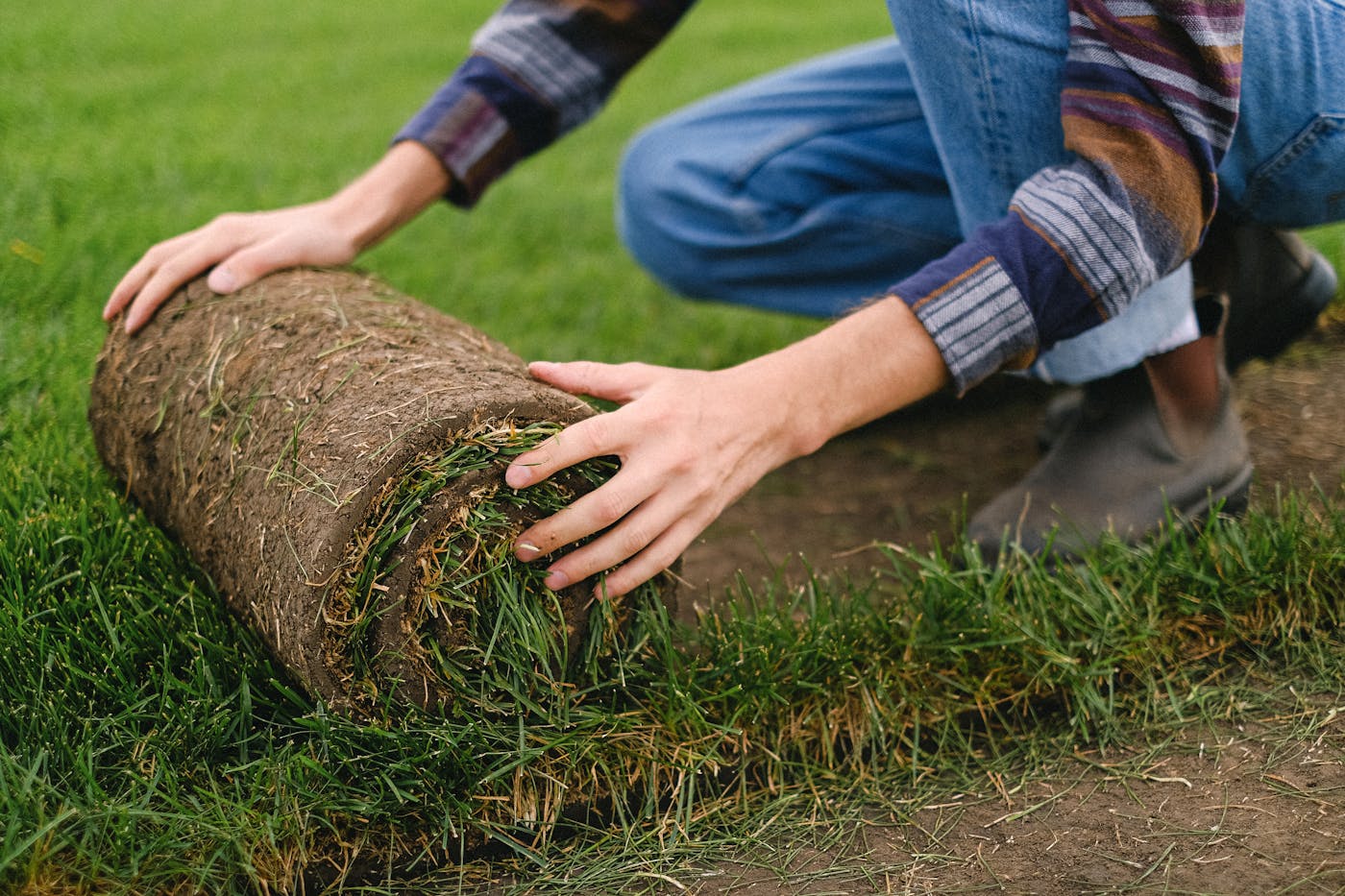
Sod should be unrolled and installed promptly. Leaving it exposed to sun and wind can dry the grass before it roots.
The rolls should fit tightly together. Small gaps can become dry pockets, especially in Central Florida’s warm, breezy afternoons.
Roll and Water Immediately
After laying, sod should be rolled to improve contact with the soil. Then irrigation starts right away to keep the top layer moist.
This is where sandy soil matters. Moisture can drop fast, so consistent watering helps roots grow into the ground instead of staying shallow.
Timing: Best Seasons for Sod in Osceola County
In USDA 9b–10a, sod can work year-round. Still, timing affects how quickly it establishes and how much attention watering needs.
Spring and Early Summer
Spring often provides steady growth conditions. You’ll still need irrigation coverage because warm days can dry the top layer quickly.
Rainy Season (May–October)
The rainy season can help, but it doesn’t replace a plan. Even in wet months, you can get dry spells between storms, and wind-driven rain may not reach every corner.
If your irrigation system is set correctly, you can keep roots growing during both rainy and dry periods.
Cooler Months
During cooler stretches, grass growth slows. Watering may need adjustment, but sod still needs steady moisture during the rooting phase.
Aftercare: What to Expect in the First 30 Days
Sod needs time to root. Most lawns start to look better quickly, but strong roots develop over weeks.
Day 1–2: Focus on Moisture and Contact
Keep foot traffic off the new sod. If you must walk on it, stay light and avoid dragging anything across the grass.
Check that irrigation runs as planned. Look for dry spots, puddles, or uneven coverage.
Week 1–2: Watch for Settling and Lift
New construction sites can settle slightly as soil compacts. If you see edges lifting, it may mean the soil contact isn’t tight enough or watering needs adjustment.
A quick fix is pressing down small areas, followed by proper irrigation. Avoid heavy repairs unless your installer recommends them.
Week 3–4: Reduce Watering Gradually
As roots establish, you can shift toward deeper, less frequent watering. This encourages roots to grow down instead of staying near the surface.
At this stage, mowing may be possible depending on grass type and root strength. Don’t cut too low—keep blades at a safe height for recovery.
Common Problems and How to Prevent Them
Dry Strips Along Seams
Seams can dry if sod isn’t laid tightly or if irrigation coverage misses those areas. Staggering rolls and checking sprinkler overlap helps prevent this.
Yellowing or Patchy Growth
Patchy areas often tie back to uneven watering, compacted soil, or poor contact with the ground. For sandy soil, consistent moisture is key.
Weed Growth Through New Sod
Weeds can appear if the area wasn’t cleared properly or if weed seeds were present in topsoil. Proper prep reduces this risk.
FAQ
How long does new construction sod installation take?
Most residential installs can be completed in a day, depending on yard size and access. Prep and irrigation checks happen first, and that timing affects the overall schedule.
Do we need irrigation even during Central Florida’s rainy season?
Yes. Rainy season storms are inconsistent. Your irrigation system ensures steady moisture so the sod roots properly in sandy/sandy loam soil.
When can we start mowing new sod?
It depends on the grass type and how well it’s rooted. Many lawns can be mowed after a few weeks, but it’s best to wait until roots are established and the lawn resists lifting.
New build? Get a turn-key quote
What our crew sees on builder lots: compacted soil and sprinkler heads buried under grade stakes. We clear, level, verify coverage, and sod — coordinated with your closing date, done in 3–7 days. Call (407) 674-2841.
When to call
Call (407) 674-2841 when closing is dated and the lot is still bare dirt, grade stakes bury the heads, or the builder hands off without a watering plan. Say your city, closing date, and rough square footage. Or start at get a sod quote.