French Drain vs Swale: Which Is Right for Your Florida Yard?
If your Osceola County lawn gets soggy after storms, you’re not alone. Central Florida’s rainy season runs roughly from May to October, and sandy or sandy-loam soils can move water fast—sometimes in the wrong direction. Choosing the right drainage method helps protect sod, irrigation lines, and the foundation of your home.
Two common options are French drains and swales. They both manage stormwater, but they work in different ways. The best choice depends on where water is pooling, how much water you get, and how your yard is shaped.
What Is a French Drain?
A French drain is a trench filled with gravel and often includes a perforated pipe. Water flows into the trench, then moves through the gravel and pipe to a safer spot, such as a drain line, dry well, or designated discharge area.
French drains are great for targeted drainage. If you have a specific problem area—like water near a downspout, along a fence line, or at the edge of a patio—a French drain can pull water away more precisely.
How French Drains Handle Water
French drains work by capturing water at the surface and guiding it below grade. In sandy or sandy-loam soils common in Central Florida, water can infiltrate quickly, but it may also travel laterally and collect where the ground slopes or compacts.
A properly built French drain creates a reliable path for water to follow. That reduces standing water and helps protect sod from root stress.
French Drain Benefits for Osceola County Yards
French drains can be a strong fit when you need:
- Fast relief for pooling water in a narrow area
- Better control near structures like patios and sidewalks
- Protection for irrigation zones that stay too wet
- Reduced soil erosion along slopes or swales that cut into turf
Because French drains move water away through a pipe, they often perform well during heavy downpours.
What Is a Swale?
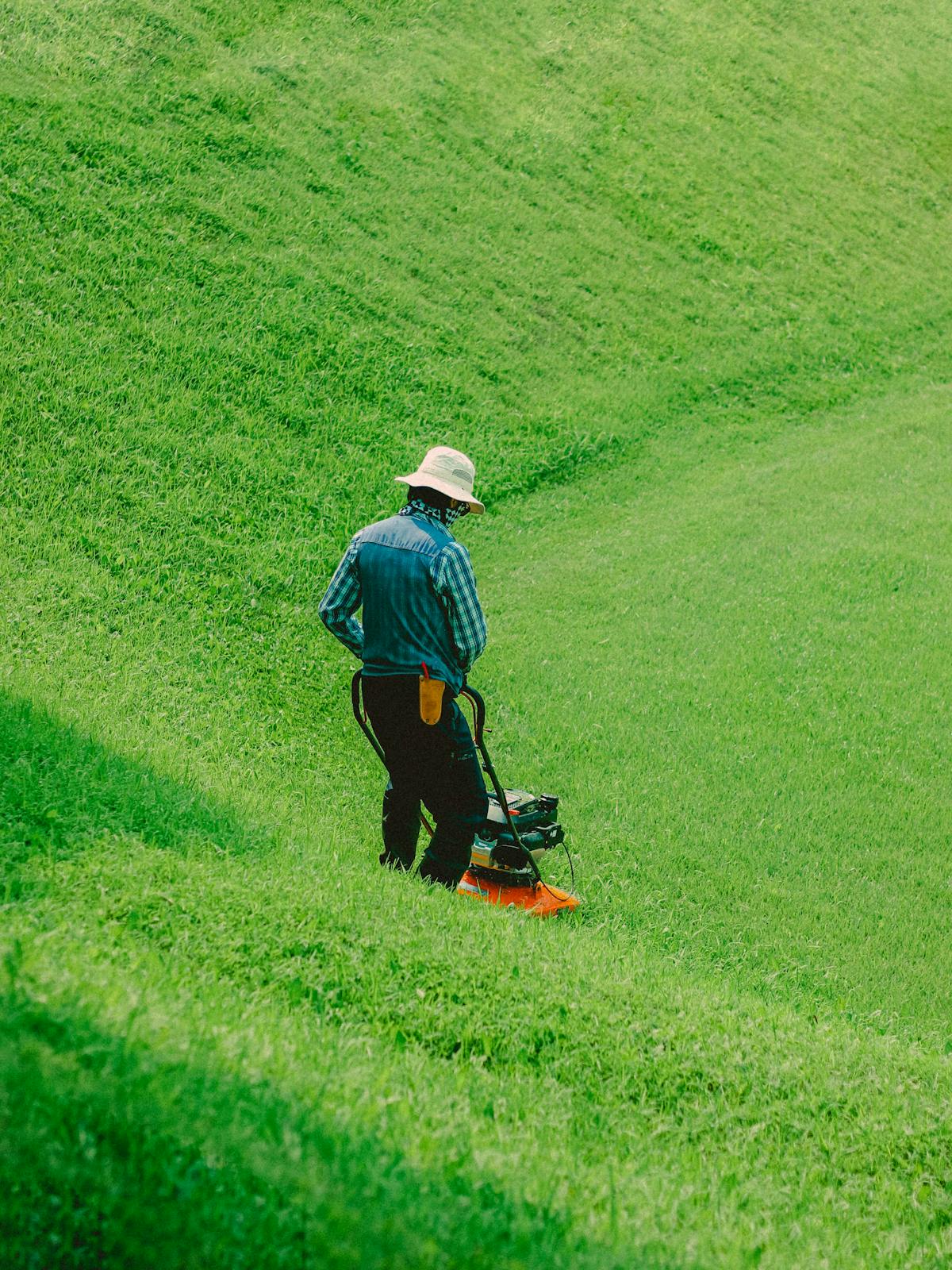
A swale is a shaped, shallow channel designed to move water across or away from a property. Many swales are grass-lined and blend into the landscape. Some are designed to carry stormwater to a ponding area, roadside ditch, or approved outlet.
Swales work best when water needs to be moved across a broader area rather than removed from one tight spot.
How Swales Handle Water
Instead of collecting water underground, swales guide it on the surface. The goal is to prevent water from pooling where it can damage sod or create muddy ruts.
In a Central Florida yard, swales can also help manage runoff during the May–October rainy season. When done correctly, grass can stabilize the channel and reduce erosion.
Swale Benefits for Florida Lawns
Swales can be ideal if you have:
- Large areas of runoff coming from higher ground
- Multiple wet spots across a slope
- A need for surface drainage that’s easy to maintain
- Space for a gentle channel without disrupting landscaping
Swales are also often more visible than French drains, so homeowners can better understand where water will go during storms.
French Drain vs Swale: Key Differences
Both systems reduce standing water, but they differ in design, cost drivers, and where they work best.
1) Water Location: Point Problem vs Flow Path
A French drain is best for a point or linear problem, like water collecting near a downspout or along the bottom of a retaining wall. A swale is better for a flow path, where water naturally spreads across a yard and needs to be directed away.
2) Underground vs Surface Drainage
French drains work below grade. Swales work on the surface and rely on the yard’s grading and vegetation to slow and guide water.
In sandy Central Florida soils, surface water can travel quickly. That’s why swales must be shaped carefully and lined with turf or other stabilizing material.
3) Maintenance and Landscaping Impact
French drains are mostly “set and forget,” though they may need periodic cleaning if debris clogs the inlet or pipe. Swales require more visible upkeep, such as mowing and keeping grass healthy to prevent erosion.
4) How Each Handles Heavy Rain
During intense Florida storms, both can help, but the right design matters. A French drain can move water away faster in a specific area. A swale can handle larger volumes across a wider zone—if the outlet and slope are correct.
Which One Is Right for Your Florida Yard?
The best answer depends on what’s happening in your yard in Osceola County.
Choose a French Drain If…
- Water pools near a downspout, walkway, or patio edge
- You see soggy turf in a narrow strip or along one boundary
- Your problem starts after irrigation or heavy rain at a specific spot
- You want to protect sod roots from staying saturated for days
- You need a controlled route for water to leave the area
French drains are also helpful when you want to protect areas where grading changes are limited, such as near a foundation or established landscaping.
Choose a Swale If…
- Water spreads across a wide area after storms
- You have a yard that slopes and you need a defined path for runoff
- You want a solution that blends into landscaping and is easy to see
- You’re managing runoff from multiple directions
- You have enough space to create a gentle channel and outlet
Swales can be a great match for Central Florida properties where surface runoff is the main issue. They also help reduce muddy spots that can happen when water has nowhere to go.
Local Considerations for Central Florida and Osceola County
Sandy/Sandy Loam Soil Behavior
Central Florida soils can drain, but they don’t always drain evenly. Sandy and sandy-loam ground may allow water to move quickly underground, but that movement can also carry water laterally until it hits a less permeable layer or a change in grade. That’s when you may see wet rings, soggy zones, or erosion at low points.
A French drain can intercept and redirect that lateral flow. A swale can manage the surface movement before it becomes a bigger problem.
Rainy Season Timing (May–October)
During the rainy season, you may get repeated storms rather than one event. Systems that work well in light rain might struggle if they’re undersized or aimed at the wrong outlet.
In Osceola County, it’s smart to plan drainage so it can handle both runoff volume and frequency. A professional site evaluation helps confirm outlet locations and flow direction.
Sod Protection and Irrigation Safety
Standing water is tough on sod. It can lead to thinning, fungus pressure, and root stress. It can also affect irrigation performance by keeping soil overly wet or causing uneven moisture patterns.
Whether you choose French drains or swales, the goal is the same: keep your lawn healthy and your irrigation system working as designed.
What to Expect From a Professional Assessment
A good drainage plan starts with observation. A contractor will look at where water appears, how long it stays, and what direction it moves. They may also check grading, soil conditions, and nearby outlets.
From there, you’ll usually discuss:
- Where the water is coming from (roof runoff, yard slope, irrigation overspray)
- Where it should go safely (approved discharge area, drain line, dry well)
- Best system type (French drain vs swale, or a combination)
- How it will affect sod and landscaping
In some yards, the best solution is mixed. For example, a swale can direct broad runoff, while a French drain handles concentrated pooling near a structure.
Cost and Value: Making the Right Choice
Pricing varies based on trench length, pipe depth, excavation difficulty, and outlet planning for French drains. Swales depend on the amount of shaping, grading, and stabilization needed to prevent erosion.
The real value is not just the upfront cost—it’s avoiding recurring sod replacement and preventing damage to hardscapes and irrigation. A system that fits your yard’s slope and water path reduces the chance you’ll have to redo the work after the next heavy storm.
FAQ
1) Can a French drain and a swale work together?
Yes. Many Osceola County yards use a swale to guide broad runoff, then a French drain to handle a concentrated wet spot near a downspout or patio.
2) Will a swale work in sandy Central Florida soil?
It can, but it must be shaped correctly and stabilized with healthy grass or approved lining. Without proper slope and outlet control, sandy soils can contribute to erosion.
3) What’s the main sign I need a French drain instead of a swale?
If water pools in a specific spot or narrow line—especially near structures—rather than spreading across the yard, a French drain is often the better match.