Last updated · Solivita, FL
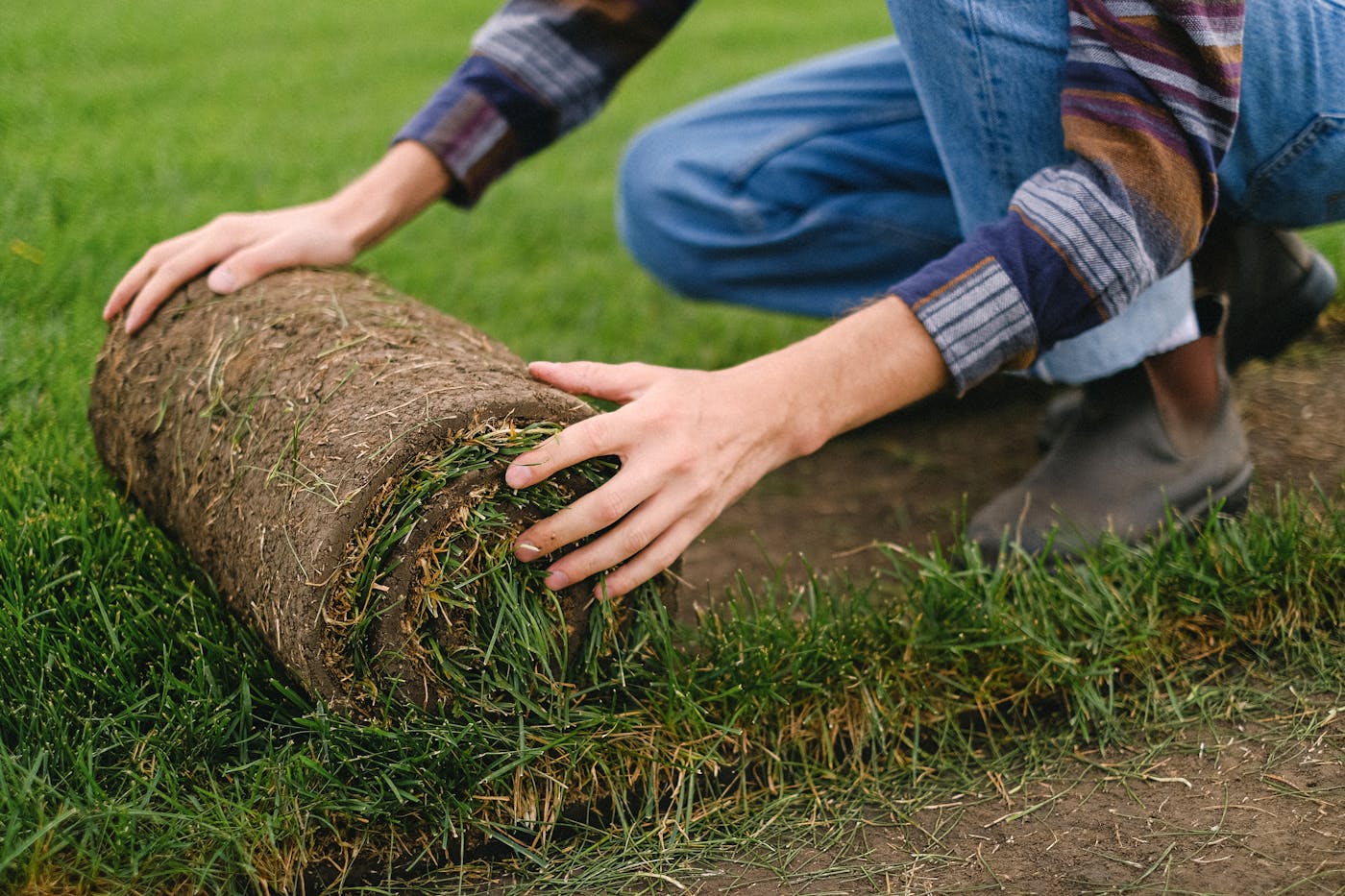
Bahia sod in Solivita is a narrower question than it is in most neighborhoods, because the lawn is not entirely the owner’s call. Solivita is a gated 55+ community of several thousand homes inside Poinciana, ZIP 34759, mostly in northeast Polk County, built from 2000 onward. The HOA fee covers mowing, edging, fertilizer, pest control, trimming, and the irrigation water and its maintenance. The streets are generally St. Augustine, and the association’s program is built around that. So before comparing grasses, find out what the HOA allows. If you do pay for new turf, installed sod runs $1.50–$3.00 per sq ft. Questions: (407) 674-2841.
What Bahia is good at
Bahia is one of the toughest low-input lawns in Florida. According to UF/IFAS:
- Drought tolerance. Its deep root system lets it survive dry spells that brown St. Augustine, and it often recovers when rain returns.
- Low fertilizer needs. It gets by on far less nitrogen than St. Augustine.
- Sandy soil. It handles the infertile sand common across Central Florida.
- Fewer chinch bug problems. Southern chinch bugs are mainly a St. Augustine pest.
- Lower cost. Bahia sod is usually cheaper per pallet than St. Augustine.
Common cultivars include Argentine, which has a darker color and denser growth, and Pensacola, which is very hardy but more open.
Where Bahia falls short
The same traits that make Bahia tough make it a poor match for a manicured street:
- Seedheads. Through the warm months it pushes up tall, V-shaped seed stalks that need frequent mowing to keep the lawn looking tidy.
- Open, coarse texture. It never gets as dense as St. Augustine and looks noticeably different side by side.
- Shade. It does poorly in shade.
- Yellowing on alkaline soil. It can turn yellow where soil pH is high, such as near concrete or limestone fill.
- Mole crickets. These are a key pest of Bahia.
- Mowing. It is tougher to cut cleanly, and a dull blade shreds the tips.
Why it matters in Solivita
Because the HOA’s contractor mows and treats every lawn on a set program, a single Bahia yard on a St. Augustine street stands out. It grows seedheads on its own timetable, takes fertilizer and pest treatments differently, and does not blend at the property line. That is why replacement inside Solivita is normally expected to match the street.
Where Bahia might fit
There may be places where Bahia is reasonable, if the association agrees:
- A side or back area that is out of view, sunny and hard to irrigate.
- A strip that has failed repeatedly as St. Augustine because it is too dry.
Even then, ask whether the HOA’s mowing and treatment program can handle a different grass in that one spot.
Step one: ask the HOA
Put the question in writing to the association’s maintenance contact:
- Where the turf has failed and how big the area is, with photos.
- Whether replacement is covered under routine care.
- Whether a different grass type would be allowed, and in which areas.
Keep the reply.
Step two: Architectural Review
Solivita’s Architectural Review Committee reviews exterior changes. A change of grass type is a change in how the yard looks, so expect to submit an application before any work. Work done without approval may have to be redone.
Fix the cause first
Switching to Bahia will not help if the real problem is something else. Before deciding the old grass was the wrong choice, rule out the simple explanations: a sprinkler that no longer reaches that patch, roof runoff or condensate water pooling in one spot, a dog’s favorite corner, insects on the sunniest edge, or turf crushed when a lanai or patio went in. Many of those are cheaper to correct than any lawn.
Water in the Polk portion
Most of Solivita is in Polk County, under the Southwest Florida Water Management District, which has had one-day-a-week watering limits in effect for Polk with set hours. Since the HOA runs the irrigation, its contractor sets the controllers. Ask how establishment watering for new sod is handled and whether hand-watering is allowed during permitted hours. Bahia’s lower water needs are one argument in its favor once it is rooted, but new sod of any kind needs steady water for the first two weeks.
Cost when the owner pays
If the work falls on you, installed sod falls in the $1.50–$3.00 per sq ft band, around $1,500–$3,000 per 1,000 sq ft. A fair price covers stripping the failed grass, hauling it away, smoothing the soil, the Bahia itself and rolling it in. Bahia pallets cost less than St. Augustine, which pulls the total toward the bottom of the band, but a small side strip still carries a higher rate per foot because the visit and setup do not shrink. Gated entry means the installer’s name and dates should be on file with the gate before arrival.
After installation
Let the association know when the new grass was laid. Mowers should stay off it until it has rooted, and whoever maintains the sprinklers should confirm that patch is getting water. Bahia roots well in warm weather; a firm pull on a corner meeting resistance is the sign it has taken, often within a couple of weeks. Bahia also wants a higher mowing height than many expect, roughly 3 to 4 inches, and a sharp blade.
Related pages
- The full HOA process: sod installation in Solivita.
- Bahia elsewhere in the area: Bahia sod in Poinciana.
Questions
Have the HOA’s answer, the area’s size and photos ready. Call (407) 674-2841.