Last updated · Poinciana, FL
Bahia sod Poinciana fits wide lots — 34758–34759, Cypress Parkway, and open ranch pads toward the Polk line. Bahia is the value grass on that acreage: full sun, well water, room for a truck to turn. Solivita and the Cypress Woods HOA pockets next door are a different job and usually St. Augustine. A full install runs $1.50–$3.00 per sq ft. Call (407) 674-2841.
Poinciana large-lot streets vs Solivita
- Open sunny acreage and Cypress Parkway ranch pads: Bahia — looks like a ranch lawn, not a golf green
- Solivita 55+ or a Floratam HOA pocket: match St. Augustine — see St. Augustine in Poinciana and sod installation in Solivita
- Same full-install band as sod installation in Poinciana: haul-off, grade, fresh sod, watering plan — a dumped pallet is not the job
Drive the street at noon before you decide. If the row reads dark uniform St. Augustine, you are in a pocket. If the frontage runs Bahia, weeds, and open sun, this page is yours.
When Bahia wins on acreage
Poinciana acreage is Bahia’s home field. Big square footage multiplies every per-foot cost, so the grass that needs less water and less babying once rooted wins by a wide margin over its lifetime — even though installed day-one pricing lands in the same band. Open Cypress Parkway pads, cleared ranch fronts, and large 34759 lots with well water and no HOA curb shot are the textbook case. Bahia takes full sun, handles foot traffic and dogs, and sips water once established instead of demanding daily irrigation to stay dark.
That is also why Bahia is not the Solivita answer. The 55+ community photographs every curb, enforces its landscape standard, and runs streets of matched St. Augustine. A Bahia swap there reads as neglect and draws the letter. Know which side of the wall your lot sits on before pricing grass.
Soil and grade on big pads
Acreage soil here is deep sand with clay lenses that perch water in odd corners. The classic Poinciana failure is a pallet dropped on ungraded pasture: tire ruts and old swales hold water exactly where new roots sit, while the sandy highs cook two days later. Grade the pad flat before pallets land — cutting highs, filling ruts, and setting fall so storms leave instead of ponding. Regrading after sod costs double, so the first morning on a 5,000 sq ft pad goes to dirt, not grass. Sandy pasture also hides old debris, wire grass crowns, and ant mounds that punch through new seams; the kill and cleanup pass matters as much as the sod itself.
Wells and coverage before pallets
Most acreage runs wells, and wells decide whether Bahia lives or dies. Long laterals bleed pressure toward the back of big lots, tired pumps short-cycle at dawn, and sand-clogged nozzles leave brown arcs blamed on the grass for months. A good day-one walk tests well output zone by zone, checks throw against the lot’s actual shape, and fixes delivery before anyone talks pallets. A Bahia pallet on a lot whose back third gets no water fails for reasons no cultivar survives. City-water pockets near the subdivisions get the same test: undersized new-build zones leave dry corners that need head work first.
Dry zones after install mean irrigation repair in Poinciana, not a grass failure.
Cost math for acreage pads
Big sunny yards stay in the $1.50–$3.00 per sq ft band installed. A 5,000 sq ft ranch pad runs about $7,500–$15,000 all-in with kill, haul-off, grade, fresh-cut sod, and a watering plan matched to the well. Quotes under that band almost always skip haul-off or grading — on acreage those two lines are half the job, so a pallet-only number is not comparable. Long equipment hauls and heavy weed kill on neglected pasture can push toward the top; that is labor and dump time shown on the quote, not grass markup.
Water and aftercare on sand
New Bahia still needs even moisture the first two weeks — short daily cycles matched to what the well actually delivers — then deeper soaks on schedule days so roots chase down past the sand. Set the controller to the well’s real output, not the factory default, because a well that short-cycles at dawn leaves the back of a big lot dry by July. After establishment, Bahia earns its reputation: deeper roots, less water, and a lawn that forgives a missed cycle instead of checking out.
What sod day looks like
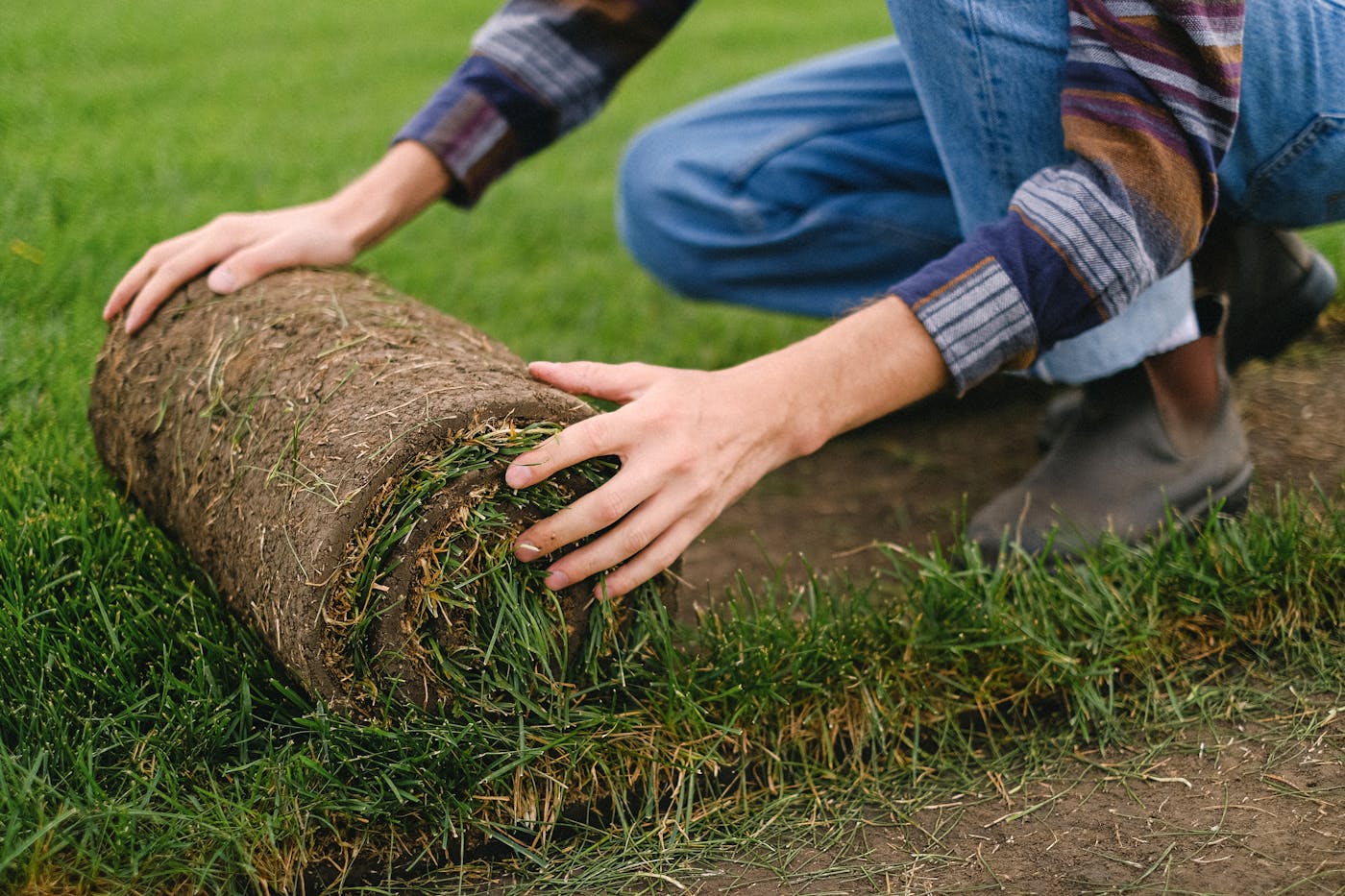
Kill and haul-off first, then grade, then tight seams with rolled edges and a timed first soak. Five-thousand-square-foot pads usually stage two trucks so seams stay tight and no pallet bakes on the trailer. Run every zone before the installer leaves and mark the valve map, so the next timer change does not scramble the schedule.
When to call
Cypress Parkway acreage, a thin ranch front, a Solivita-vs-acreage grass question, or a quote that was pallet-only — call (407) 674-2841. Say 34758 / 34759, well or city water, and whether the street is already St. Augustine. Solivita HOA letter: sod installation in Solivita. Kissimmee edge side: Bahia in Kissimmee. Full install: sod installation in Poinciana. Send a question.
Pick the right grass first
Not sure which sod fits sun, traffic, and pets? Run the grass quiz, then check will sod survive your shade before ordering pallets.