Quick answer
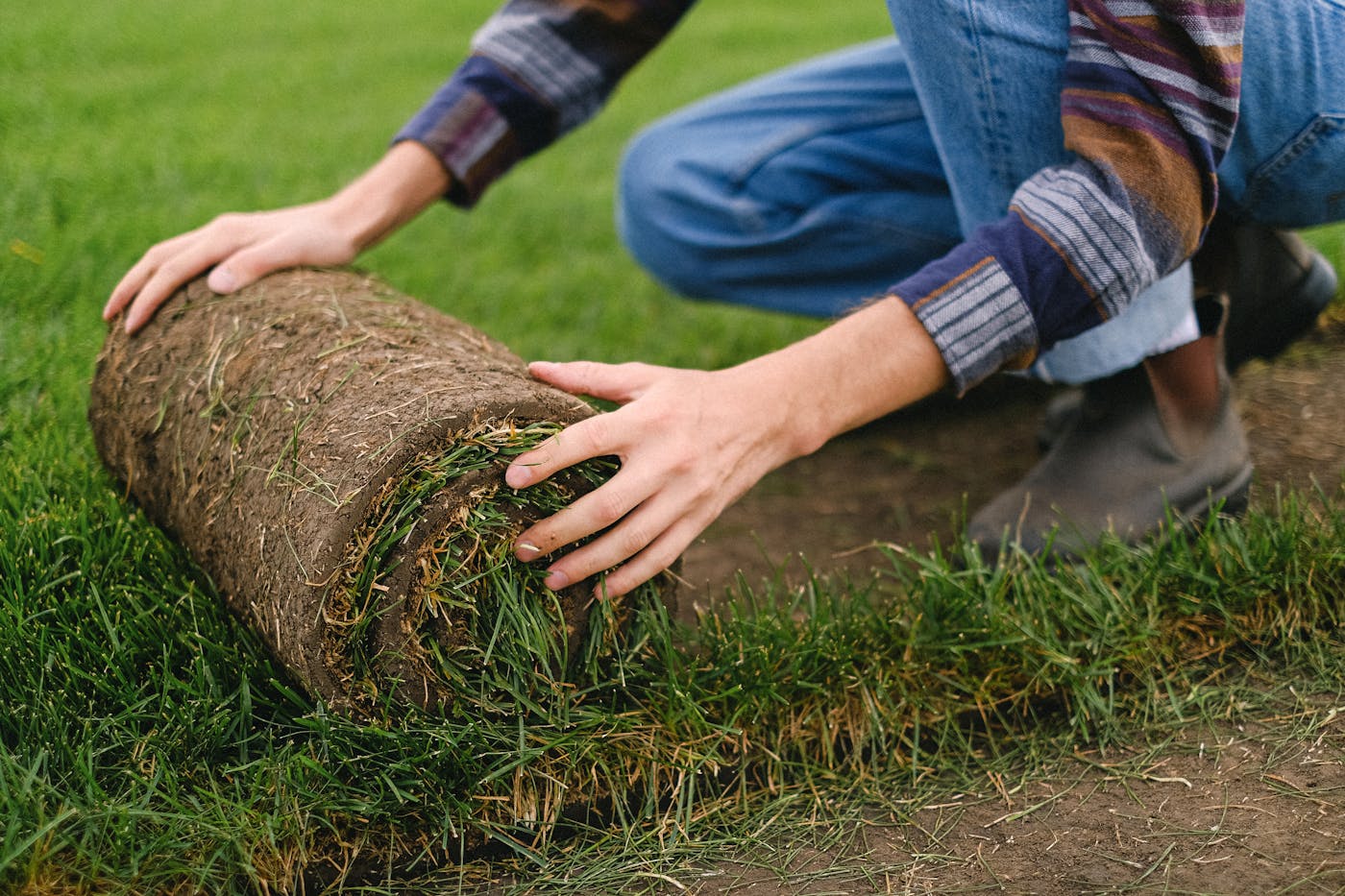
Do the corner pull test: at day 10–14, lift the corner of a pad. White roots and resistance mean rooting is underway; a pad that lifts clean with bare soil beneath means the roots never engaged. The causes are almost always soil contact, water depth, or timing — all fixable if caught by week 3. For the broader failure catalog see why sod dies after installation; for seam-specific browning see sod seams turning brown.
The root timeline (warm-season Florida)
- Days 1–7: pads survive on stored moisture plus surface watering. No roots expected; edges should stay flat and green.
- Days 7–14: fine white roots reach into the top half-inch of soil. Corners resist a gentle tug. This is the test window.
- Weeks 3–4: St. Augustine knits solidly enough to mow high; pads no longer lift. The rescue window closes here.
- Weeks 4–6: Zoysia and cool-weather installs catch up. Mowing begins, watering tapers deeper and less frequent.
Anything behind this curve by a full stage — clean lift at day 21, for example — is a diagnosis job, not a waiting job.
Cause 1: no soil contact
Roots cannot cross an air gap. The classic misses: pads laid over debris or dry clods, edges curled up and never tucked, soil so lumpy the pad bridges across hollows, or an install never rolled. Fix: pull back the affected pads, clear debris, level and lightly moisten the soil, relay tight with staggered seams, and roll the area so every square inch touches dirt. Water immediately after. This single fix resolves more “not rooting” calls than any other.
Cause 2: water too shallow or too deep
Roots chase moisture. Mistimed runtimes that wet only the thatch train roots sideways instead of down; pads stay liftable for weeks. Conversely, constant saturation suffocates new roots — the soil under the pad smells sour and the tissue yellows from below (compare overwatered signs and the swampy-yard guide). The check is physical, not scheduled: lift a corner and feel the soil. Consistently damp at an inch down is the target. Adjust runtimes to depth, not to the calendar — then hold the pattern in the watering schedule.
Cause 3: installed on a problem, not on soil
Sod laid over compacted fill, buried construction debris, or an unrepaired grade inherits the problem. Compacted pads (common on St. Cloud new builds) need loosening before relay; debris needs removal; ponding spots need drainage first. If the pull test fails in exactly the same footprint where the old lawn failed, the soil — not the sod — is the patient. See lawn grading before sod.
Cause 4: wrong season or stressed delivery
Pallets that sat on the truck or driveway lose vigor before they ever touch soil, and cool-season installs root on a slower clock that owners misread as failure. Ask when the sod was cut relative to install day; same-day or next-day is the standard. Late-fall installs in Central Florida simply need more weeks — judge against the cool-weather curve, not the July one.
How to run the tug test
Pick three or four spots across the yard — a sunny center, an edge, and wherever looks worst — and test each separately; one rooted corner does not clear a failing back run. Grip a handful of blades (never a single corner, which tears) and pull straight up with steady, gentle pressure. At day 7 expect lift with white nubs underneath; that is normal progress, not failure. At day 10–14 you want real resistance, the pad lifting soil with it. Test once, then leave it alone for several days — daily tugging breaks the very roots you are checking for. Always test at the same moisture you water to: a pad tested bone-dry reads worse than it is, and one tested in mud reads better. Write down which spots passed and which lifted clean; that map is exactly what the tech needs if you call.
Lift-and-fix vs. replace: the decision
- Lift and fix when tissue is still green and pliable, failure is under 3 weeks old, and a cause above is identified and correctable. Relayed pads with restored contact routinely knit.
- Replace when tissue is brown and brittle through the crown, the pad smells rotted, or the same area has failed twice — the third install over an uncorrected base repeats the lesson. Replacement still requires the underlying fix first.
Common mistakes
- Waiting it out past week 4. Time does not fix contact or drainage problems; it converts rescue jobs into replacement jobs.
- Drowning the diagnosis. Doubling water on unrooted sod without checking soil moisture first suffocates whatever roots started.
- Mowing to “stimulate” rooting. Traffic and blade stress on unanchored pads tears the few roots that exist. No mower until the tug test passes.
- Fertilizing unrooted sod. Salts on stressed, unanchored tissue burn it. Root first, feed later.
When to call
Call (407) 674-2841 when pads lift clean past day 14, the same area failed before, sod day is within a rescue window you cannot supervise, or you need a verdict on lift-vs-replace before spending more. Say the install date and what the pull test showed — that determines whether the visit is a relay-and-roll or a re-do quote. Or start at get a sod quote.
Bottom line
Rooting is contact plus correct moisture plus time. Test at day 10–14, fix what the test shows without delay, and never let week 4 pass on a pad that still lifts clean.