Last updated · Lake Tohopekaliga, FL
St. Augustine is the grass most Lake Tohopekaliga streets already have. 34746, Lake Tohopekaliga shoreline. Floratam, Palmetto, and similar St. Augustine keep the front matched to the neighbors. $1.50–$3.00 per sq ft. Call (407) 674-2841.
This is not Bellalago. lakefront moisture and drainage first. Lakefront lots.
Lake Tohopekaliga: Tohoqua / lake side of St (34771)
St. Augustine where the street is uniform; drain before any grass. Floratam / Seville for sun. Palmetto where oaks and north walls thin the lawn. Do not force one variety off the truck onto every lot.
replace dead Floratam after chinch — Tohoqua / lake side of St (34771)
A Bahia mix is the usual mismatch on a St. Augustine street. Lakefront moisture swings and sandy soil along Lake Toho. New St. Augustine on a dead zone fails in a week.
For Lake Tohopekaliga, keep one blade across this front on Tohoqua / lake side of St (34771)
$1.50–$3.00 per square foot installed, about $1,500–$3,000 per 1,000 sq ft. Tight lots and full tear-outs sit at the top.
Full process: sod installation in Lake Tohopekaliga. Dry zones: irrigation repair in Lake Tohopekaliga. Other town: Bellalago st-augustine-sod. Compare Bahia and Zoysia only if the street is actually that grass.
Quick answer
St. Augustine grass in Lake Toho (34746) is a shoreline bargain with terms attached: it wins the shady yards along Lake Tohopekaliga and loses the ones left crispy, so it wants real water on county days, a high cut at 3–4 inches, and feeding kept on schedule. Installed at $1.50–$3.00/sq ft and laid the same day it is cut, it roots in 10–14 days. Accept the terms and it is the lakefront default; skip them and no cultivar saves it. Call (407) 674-2841.
Where St. Augustine wins in Lake Toho
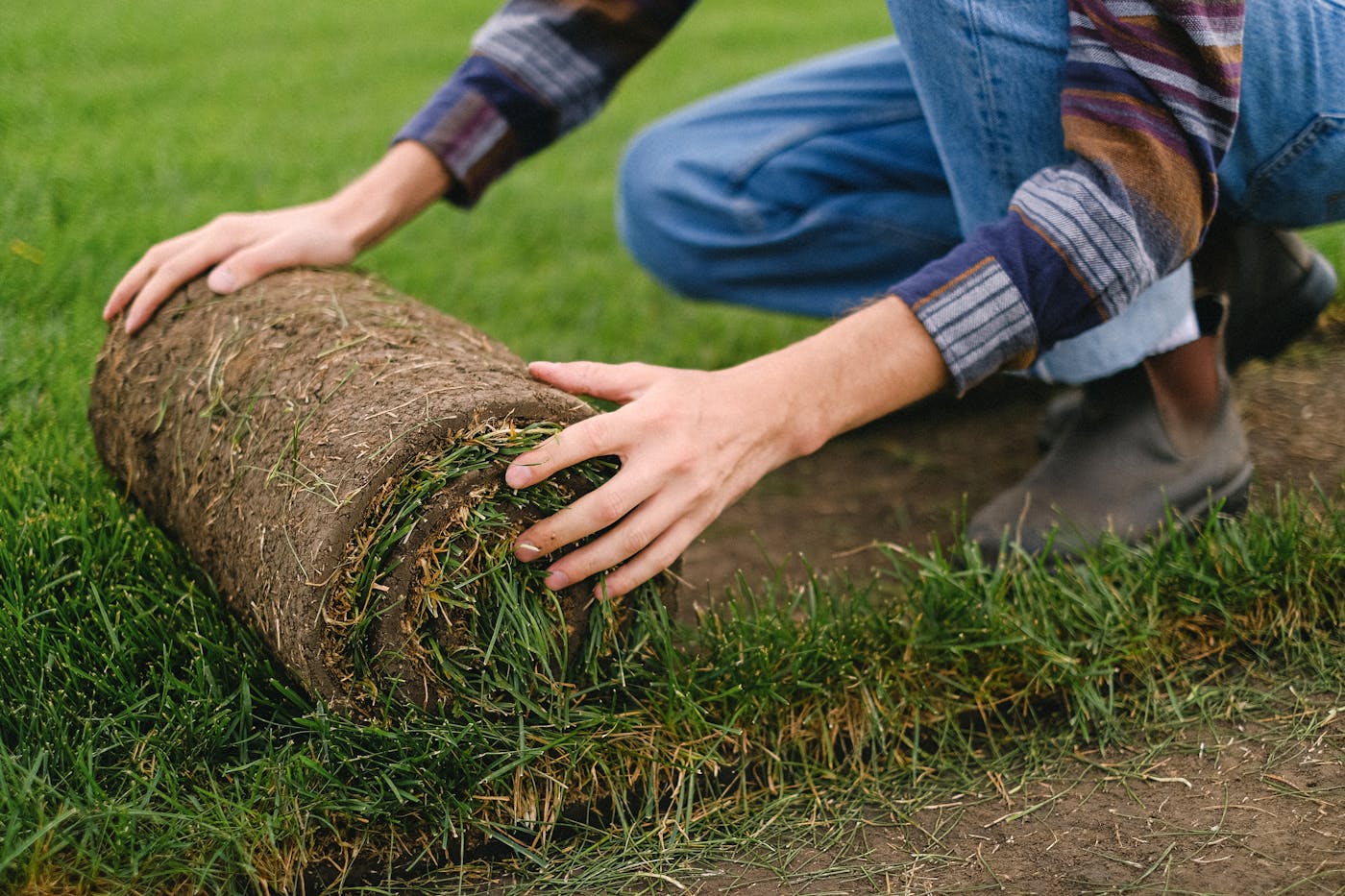
It wins where Lake Toho actually lives: shaded subdivisions in 34746, streets held to an HOA green standard, and fronts that need curb appeal quickly rather than eventually. Pallets move from trailer to soil in hours, the first water goes on that same evening, and in this warmth the runners knit fast enough to photograph full within weeks and to beat weeds to ground that gets sufficient sun. That speed is why uniform St. Augustine streets stay uniform — a replacement front can rejoin the block instead of spending a season catching up.
It loses on water, not on effort. Unirrigated ground away from the lake, a reclaimed-water ban with no workaround, or a house left empty all summer will leave St. Augustine dormant and crisp, and unlike Bahia it rarely forgives that treatment. Along the shoreline the honest question comes before the order: is the water plan real, every week, on legal days? If it is, plant it. If it is not, choose the grass that matches the hose you actually have.
Reading a St. Augustine quote in Lake Toho
Read a Lake Toho quote by what it bothers to name. A real one lists the cultivar, the measured footage, tear-out and haul-off, the grade plan, the cut date and the farm it came from, same-day lay, rolling, and the watering schedule for 34746 — all inside $1.50–$3.00 per sq ft. On lakefront ground that grade line is not decoration: drainage comes before any grass here, so a quote that prices turf without saying how water leaves the lot has skipped the first job.
The red flags are absences. No cultivar named, no grade line, no cut date, pallets arriving dry or hot-stacked, or a rooting promise with no watering behind it — each one is a cost moved from the quote onto the lawn. Hold the finished work to the tug test instead: by day 10–14 a firm pull should meet resistance. Anything less is a conversation to have while the paperwork is still in hand. Call (407) 674-2841.
Shade, soil, and Lake Toho heat
Shade around Lake Toho is both the reason to plant St. Augustine and the way to lose it. Enough filtered light grows turf thick; too little, on crowns that stay wet, grows fungus instead, so prune low limbs for light and airflow, keep night water off the leaves, and grade so no crown sits wet through a lakefront moisture swing. The sandy soil along the shoreline drains willingly, which cuts both ways — ponding leaves fast, but so does food, and runners only outrun weeds when feeding keeps pace.
Most of the discipline is timing. Water in the morning on legal days so leaves dry by noon, feed to a soil-test cadence rather than a calendar habit — take-all and gray leaf spot both visit shade turf that is overfed and overwatered — and mow high at 3–4 inches with sharp blades, because a scalped lawn thins and hands its gaps to summer weeds. Keep irrigation off trunks, top-dress light, and treat any spot where water still stands after the sand should have taken it as a grading problem first: take-all loves a wet crown, and sitting water kills faster than drought on this shoreline.
Order from measurements, not from the lot. Take beds, drive, house footprint, and pool deck out and most Lake Toho guesses shrink 10–20% on grass-only math; at 400–500 sq ft a pallet, two-plus pallets cover 1,000 sq ft, with another 5–10% allowed for cuts — short strips can cost a second drop, so order the allowance rather than discovering it mid-lay. Refuse pallets that arrive hot, dry, or sour, since dead centers never knit, and get the split in writing at $1.50–$3.00 per sq ft: tear-out, grade, sod named by cultivar, rolling, and water, with Floratam in writing for sunny lakefront lots and Palmetto or CitraBlue where shade presses — ‘premium St. Augustine’ names nothing. There is no shortcut through seed, either; commercial St. Augustine seed barely exists, so it is pallets, or plugs that take a season of weeds to fill.
Then keep watching the places trouble starts. Chinch scouts belong at the hot concrete edges, monthly through summer, because that is where stress and yellowing begin and where early treatment still works; grubs show as irregular brown patches lifting like carpet, and a tug-test tells them from drought before extra minutes go on. Audit the irrigation yearly, since coverage drifts as hedges grow until the shade side starves while the sunny side floods, and read the winter lawn plainly — 34746 St. Augustine stays green most years, so a patch that stays brown is reporting changed drainage or shade, not cold. Where an HOA photo day is coming, say the inspection date out loud: lay early enough that rooting finishes before it, and plan the work backward from that date.
Lake Toho St. Augustine, documented
In Lake Toho, a documented install starts before the grass, with drainage. The quote names the cultivar, the measured grass footage around beds and concrete, and the cut date the pallets will be laid from, alongside the grade plan for a lot where lakefront moisture swings against sandy soil, the watering program for establishment and county days after, and a tug-test rooting check at day 10–14. That record is what separates a lakefront problem — water standing where it should not — from a grass problem, months after the install is done Tohoqua.
No job photos are published on this site. On request, ask for the written sequence instead — cultivar, footage, cut date, grade and watering plans, and the day 10–14 check — and walk it against your own 34746 lot before a pallet is ordered. Call (407) 674-2841.
When to call from Lake Toho
Shade mapped, water proven, date locked — call (407) 674-2841 from this page with 34746 handy. A typical job strips, grades, cuts, lays, and soaks, usually inside a week.
Related: sod replacement in Lake Toho · send a question · grass quiz