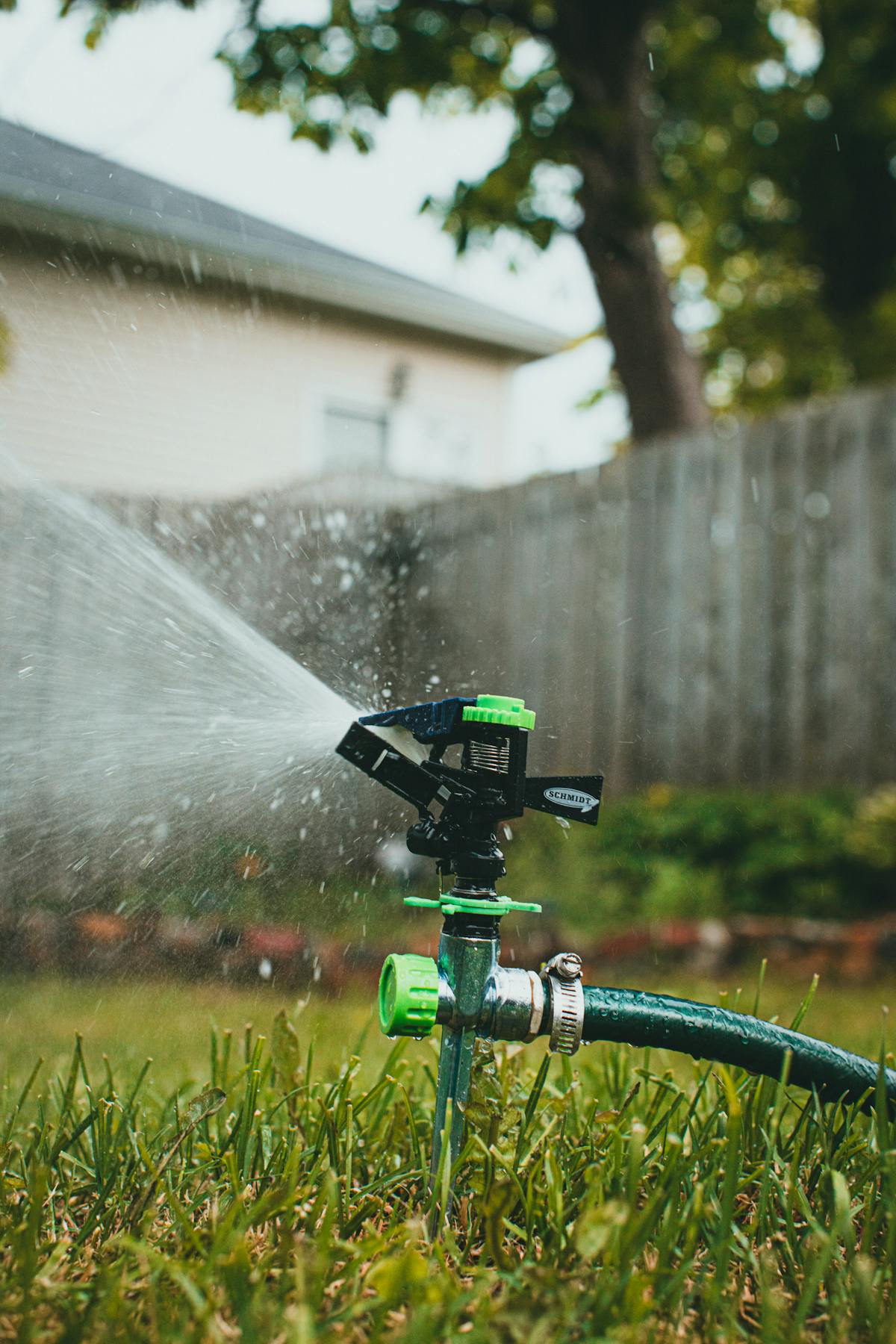
Sprinkler Heads Blocked by New Sod: How to Spot It Fast
You just laid fresh sod in your Osceola County yard. It looks green and perfect. But a week later, you see brown patches. Or maybe a soggy, swampy spot.
Chances are your sprinkler heads are blocked. It’s one of the most common issues we see after new sod installation in Central Florida. And it can kill your new lawn fast if you don’t catch it.
Here’s how to spot blocked heads quickly and fix them before they cause real damage.
Quick answer
In Kissimmee, St. Cloud, and Poinciana, new sod raises grade and buries heads — run every zone on day 1, 7, and 14. Brown patches mean dry blockage, swampy spots mean pooling. Hand-cut a clear ring, raise heads flush with new turf. Call (407) 674-2841 when several heads are buried or tilting.
Why New Sod Blocks Sprinkler Heads So Easily in Central Florida
New sod is thick. A fresh slab of St. Augustine or Zoysia can be over an inch thick with soil and roots attached. When it’s laid over your existing grade, it raises the level of your whole lawn. Sprinkler heads that were perfectly set before are now too low.
This happens a lot in Osceola County.
Sandy Soil Makes It Worse
Most yards in Kissimmee, St. Cloud, and Harmony sit on sandy or sandy loam soil. This soil is loose and drains fast. It also shifts easily.
When you water new sod heavily — which you have to — that sandy soil softens. Heads can sink a little. Sod edges can settle and fold over the top of a head. Even a half-inch of coverage is enough to block the spray.
Common Installation Mistakes
Sometimes the sod crew cuts corners. They lay sod right over the heads instead of cutting a clean ring around them. Other times, they tuck the seams too tightly around the head. At first, water still gets through. After a few mowings and waterings, the grass grows over it completely.
In our USDA zones 9b-10a, grass grows aggressively from May through October. During rainy season, that growth is even faster. A head that was clear on installation day can be hidden in 10 days.
5 Fast Ways to Spot a Blocked Sprinkler Head
You don’t need special tools to find a blocked head. Just run your system and watch closely. The best time to check is early morning, before the heat and wind pick up.
1. Look for Dry, Browning Patches in a Circle Pattern
Turn on one zone at a time. Watch each head pop up and spray. A blocked head will have a weak, low spray or no spray at all.
The grass around it will tell you too. You’ll see a dry circle or half-circle where water isn’t reaching. In Central Florida heat, that sod will turn blue-gray, then straw brown within a few days. The edges of the sod pieces may curl up.
2. Check for Soggy, Mushy Spots Right Around the Head
A head that is buried or tilted doesn’t distribute water. It floods the area right on top of itself. If you step near a head and the ground squishes or water pools, that head is likely covered.
This is risky for new sod on sandy loam. The roots stay too wet and can rot, especially with our daily afternoon storms from May to October. You might also see fungus or a sour smell.
3. Listen and Look for Low Pressure or Mist
Stand back and listen to the zone running. A clear head makes a steady hiss. A blocked head sputters, mists straight up, or makes a bubbling sound.
You might see water bubbling up through the sod like a small spring. Or you’ll see a fine mist that doesn’t go anywhere. That means the sod flap is deflecting the spray.
4. Walk the Zone and Feel for Soft Sod Flaps
With the system off, walk each zone. Lightly run your foot over where you know heads should be. You should feel the hard plastic top of the head flush with the soil.
If your foot sinks slightly or you feel a soft, spongy flap of sod with no hard edge, the sod has grown over it. St. Augustine is notorious for this. Its runners will creep over a head in a week.
Mark any hidden heads with a small flag. Don’t use your mower to find them.
5. Watch Your Water Bill and Your Timer
If one zone is blocked, your system runs longer to compensate. But the lawn still looks dry. You might notice your controller is running its full cycle, yet parts of the yard are still wilting by midday.
Osceola County has year-round watering restrictions — typically two days per week for most homes. You can’t just water more to fix a blocked head. You have to fix the coverage.
What Blocked Heads Do to Your New Sod
New sod needs consistent, even water for the first 2-3 weeks. Blocked heads break that consistency.
Dry spots won’t root. The sod will shrink and pull away at the seams. You’ll get gaps that fill with weeds. Wet spots from a buried head will stay soggy and invite chinch bugs and fungal disease, both huge problems in hot, humid Central Florida.
With our sandy soil, water drains quickly. So a blocked head doesn’t just mean less water. It means almost no water for the roots a few feet away. That patch can die before it ever establishes.
How to Fix and Prevent Blocked Sprinkler Heads
Found a buried head? You can fix a lightly covered one yourself. For anything deeper, call a pro so you don’t damage the line.
How to Uncover a Buried Head Safely
First, turn the system off. Use a sharp utility knife or sod knife to cut a 6-inch circle around the head. Cut straight down through the sod.
Peel back the sod flap. Clear any soil or thatch from around and on top of the head. Pull out grass runners from the nozzle. Then turn that zone on for 30 seconds to flush debris.
Trim the sod so it sits about 1/2 inch below the top of the head. Never pull the head up by the nozzle. You can crack the riser.
Raise Heads and Adjust for Sandy Loam
If the head is more than 1/2 inch below grade, it needs to be raised. This is common after sodding on sandy soil.
An irrigation tech will dig around the head, add a riser extension or replace the body with a taller 6-inch pop-up. The top of the head should be flush with the top of the new sod, not the old soil line. We also add a small ring of washed sand around the head to keep grass from creeping back.
After fixing, check the spray pattern. Make sure it clears the new, thicker turf and overlaps with the next head. Aim for head-to-head coverage.
To prevent future blockage, edge around heads every month during growing season. Keep that 2-3 inch clear ring. And avoid cutting new sod too short. Scalping lets runners spread sideways right over the heads.
When to call
If you have more than one or two buried heads, or if heads are sinking and tilting, it’s time for a service call. A pro can check pressure, re-level heads, and reprogram your timer for new sod.
New sod in Central Florida usually needs daily watering for 10-14 days, then a taper. Your tech can set that schedule to fit Osceola County restrictions and the rainy season. We get heavy downpours from May to October, so your system may need a rain sensor adjustment too.
Don’t wait until you have dead squares of sod. Sod replacement costs much more than raising a few heads.
Call (407) 674-2841 when more than one or two heads are buried, sinking, or tilting. Say your city and how many zones misbehave. Or start at get a sod quote.
FAQ
How soon after sod installation should I check for blocked heads?
Check on day one, and again on day 7 and day 14. Run each zone and watch every head. Grass grows fast in Osceola County, so a head that was clear at install can be covered in a week.
Can I just cut the sod over the sprinkler head with my mower?
No. Your mower will damage the blade and the head, and it won’t fix the height problem. You need to hand-cut a clean circle around the head and keep it trimmed so the head pops up freely.
Will my new sod die if a head is blocked for a few days?
It can start to stress in 2-3 days in Central Florida heat, especially on sandy soil that drains fast. Dry sod will wilt and turn brown. Soggy sod from a buried head can develop root rot. Fix blocked heads as soon as you spot them.