Last updated · Oak Ridge, FL
Sod installation in Oak Ridge (32809) is mostly a shade problem. Oak Ridge is an unincorporated part of south Orlando in Orange County, around Oak Ridge Road between Orange Blossom Trail and the I-4 tourist corridor. Many streets were built out decades ago, and the live oaks planted then now cover whole yards. Full-sun grass that thrives in a new subdivision thins out here within a season or two. Getting the grass choice and the light right matters more than anything on the quote. Talk it through at (407) 674-2841.
Start with a light check
Before choosing grass, find out how much sun each part of the yard really gets:
- Look at the lawn at roughly 9 a.m., noon, and 3 p.m. on a clear day.
- Note which areas are in direct sun, bright filtered light, or deep shade at each time.
- Mark areas that are shaded at all three checks. Those are the places sod is most likely to fail.
Many Oak Ridge front yards have a sunny strip by the street and a shaded band under the trees closer to the house. Treat them as two different lawns.
Grass choice under a canopy
Shade-tolerant St. Augustine (Seville, Palmetto, CitraBlue and similar) is the usual answer for partial shade. It spreads by runners and fills thin spots reasonably well if it gets a few hours of light.
Floratam is the common St. Augustine in sunny Central Florida yards, but it needs full sun and thins under oaks.
Bahia is cheap and tough in open sun, but it handles shade poorly and looks patchy next to St. Augustine. It’s best kept to open side lots or easements.
Under the deepest shade, honest advice is often no turf at all: a mulch bed or a shade ground cover looks better than sod that dies back every summer.
Roots, thatch, and older ground
Older Oak Ridge lots come with their own prep issues:
- Surface roots. Mature oaks put roots near the surface. Tilling or scraping hard through them can damage the tree. Prep around them by hand, and don’t pile soil more than an inch or two over the root zone.
- Old turf and thatch. Strip the old lawn down to soil. New sod laid over thatch roots poorly.
- Settled low spots. Decades of settling leave pockets that hold water, especially under shade where the ground dries slowly. Level them before laying turf. If water sits for days after rain, see drainage in Oak Ridge first.
- Leaf drop. Oaks shed heavily in spring. Plan to rake new sod so leaves don’t mat over it and block light.
Water and watering rules
Orange County sits inside the St. Johns district, whose summer-season rule gives odd-numbered homes Wednesday plus Saturday and even-numbered homes Thursday plus Sunday. From early November until mid-March that shrinks to a single weekly day. Midday irrigation, 10 a.m.–4 p.m., is off-limits all year. Fresh turf qualifies for a temporary establishment exception; read the district’s current wording first.
Shade changes the math. Shaded areas need less water than the sunny strip and stay wet longer, so they should be on their own irrigation zone if possible. Overwatering shaded St. Augustine invites fungus such as brown patch and gray leaf spot.
Cost
Installed pricing runs $1.50–$3.00 per sq ft (call it $1,500–$3,000 per thousand square feet), which should include removing the old lawn, leveling, new turf, rolling, and first-month watering guidance. On Oak Ridge lots, these push a quote toward the top:
- Hand work around roots instead of machine stripping.
- Thick old thatch and debris to haul off.
- Fenced backyards with narrow gates.
- Shade cultivars, which can cost more than Floratam at the farm.
Ask for the cultivar by name on the quote. “St. Augustine” alone doesn’t tell you whether it’s a shade type.
After the lay
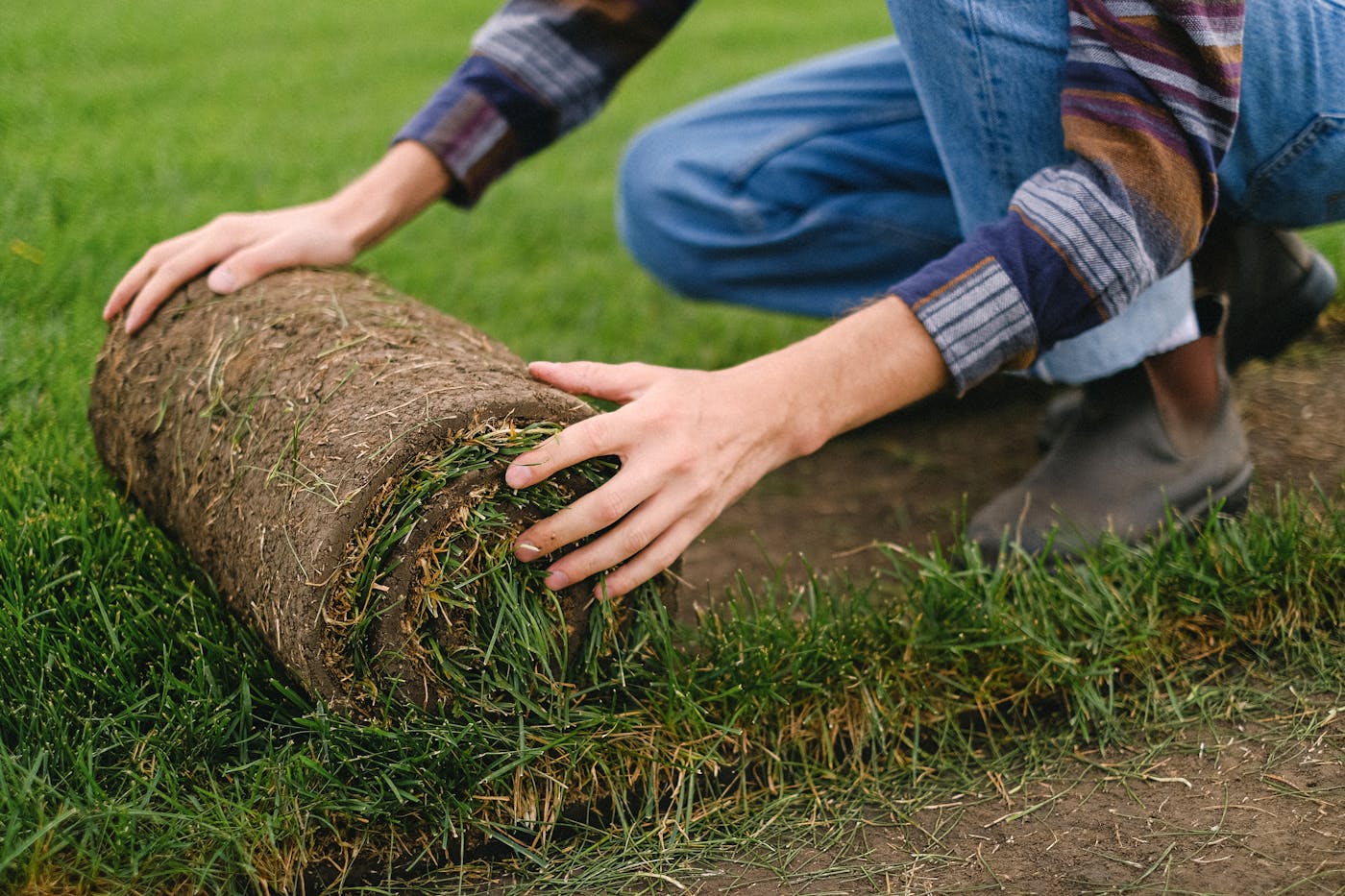
Don’t let pallets sit overnight; get them down, rolled, and soaked on delivery day. Keep foot traffic light for two weeks. Mow shade St. Augustine higher than usual, around 3.5–4 inches, so the blades can catch more light. Expect the sunny strip to root faster than the shaded band.
Related pages
Sunnier, sandier neighbors to the south and east are covered on the Taft page and the Pine Castle page; lakefront lots get their own write-up on the Belle Isle page. If puddles outlast the storm by days, read the Oak Ridge drainage guide before buying turf.
Living with the canopy long-term
A shaded Oak Ridge lawn never looks like a sunny sod-farm photo, and that’s fine. Plan for a lighter fertilizer program than a full-sun lawn, since shaded St. Augustine grows slower and excess nitrogen mostly feeds disease. Keep traffic paths to the side gate or trash cans on stepping stones instead of grass. Re-check the light every few years: oaks keep growing, and an area that got five hours of sun when the sod went in may get three a decade later. When that happens, expanding a mulch bed is usually smarter than resodding the same failing strip. Owners who accept a smaller, healthier lawn under big trees tend to spend far less over time.
Quick answer
Sod installation in Oak Ridge starts with a light check: shade-tolerant St. Augustine where there’s a few hours of sun, Floratam or Bahia only on open strips, and mulch where no grass will survive. Prep carefully around oak roots. Reach (407) 674-2841.
When to call
Phone (407) 674-2841. Helpful to have: the street name, an approximate footage, and a noon photo showing where the canopy falls. Send a question · grass quiz