Last updated · Hunter's Creek, FL
Irrigation repair in Hunter’s Creek is usually about systems that have been in the ground a long time. Hunter’s Creek is a master-planned, unincorporated community in south Orange County with about 24,000 residents at the 2020 census. Planning started in the mid-1980s and most of it was built in the late 1980s and 1990s, across dozens of single-family neighborhoods around Lake Calabay. That means many yards still run their original valves, wire, and heads. A single repair usually costs in the low hundreds. Questions: (407) 674-2841.
Faults that show up in older systems
- Valves that stick open or closed. Rubber diaphragms wear out; a zone that won’t shut off often means a torn diaphragm or debris in the valve.
- Corroded wire splices. Underground connections that weren’t sealed well fail after years of wet soil, so a zone stops responding.
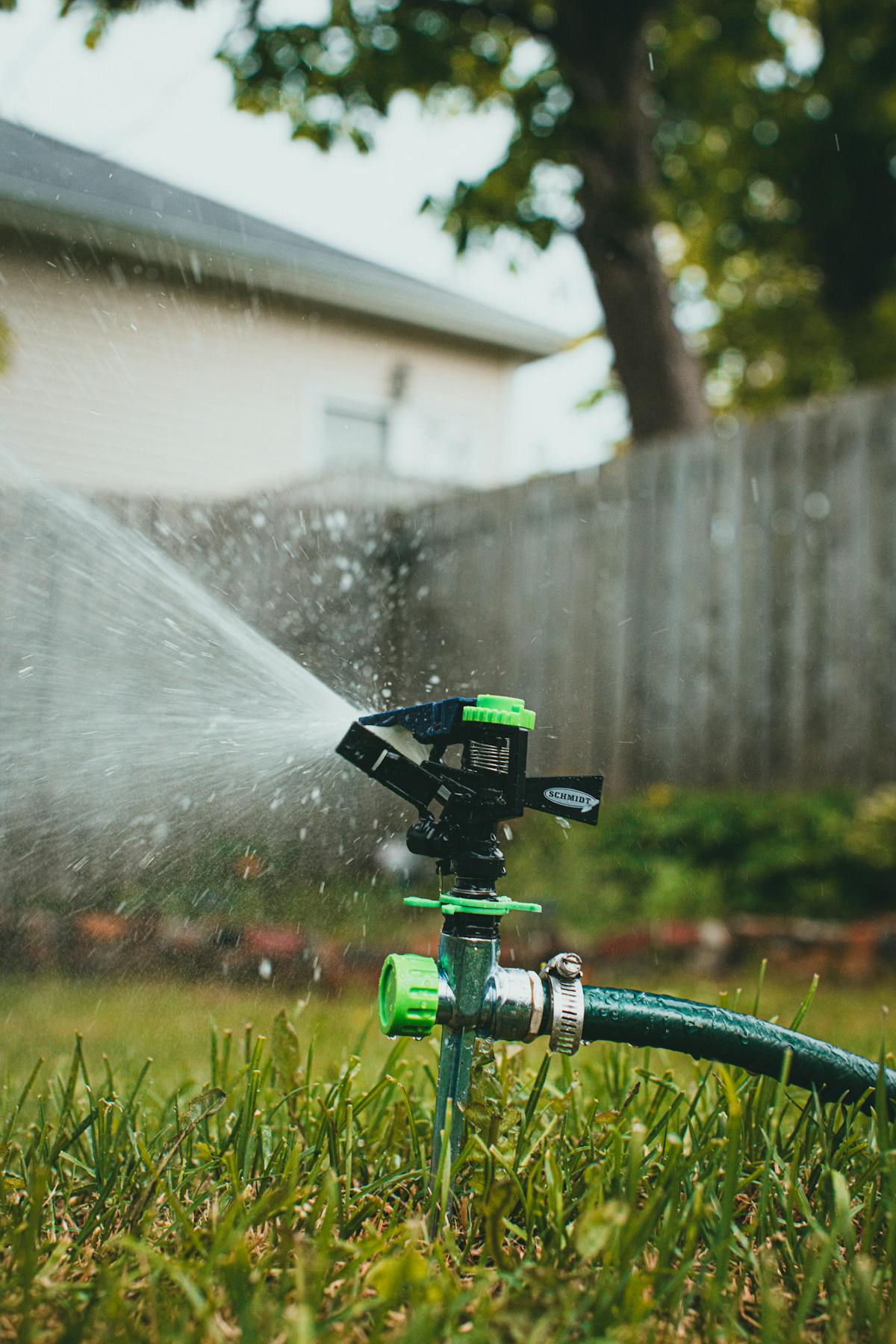
- Sunken or tilted heads. Decades of mowing and settling push heads below grass level, leaving dry rings.
- Cracked heads and risers from mowers, cars, or age.
- Root damage. Mature trees in established neighborhoods crush or lift lateral lines.
- Old controllers without a working rain sensor or with a dead backup battery that loses the program after power outages.
What to check yourself
- Run each zone manually in daylight and walk it.
- Note anything odd: heads that don’t rise, geysers, puddles, dry stripes, misting from too-high pressure.
- Check the controller: correct date and time, sensible run times, and the rain sensor not stuck in the off position.
- Look at the valve boxes for standing water, which suggests a leak.
- Write down which zone does what so a technician doesn’t start from scratch.
That list alone often turns a vague “the grass is dying” call into a specific fix.
What a good repair visit includes
- A zone-by-zone run test with you or with notes you’ve given.
- Diagnosis before parts get replaced: valve, wire, head, or line.
- Matching replacement heads to the rest of the zone so coverage stays even.
- Raising sunken heads to grade.
- A check of the rain sensor and controller program before leaving.
- A written note of what was found and fixed.
Repair or replace?
Repairing makes sense when faults are isolated. If several zones have failing valves, the wiring is unreliable throughout, and coverage was never good, compare the cost of repeated repairs against a new system. For comparison, a new residential system is commonly $2,500–$5,500, in the range of $500–$900 a zone.
Before resodding
If dead patches are why you’re looking at the system, fix the irrigation first. New sod laid over a zone that doesn’t reach will die in the same spot. Run a coverage check, adjust heads, and confirm every area gets water before any sod goes down.
Watering rules
Since Hunter’s Creek is unincorporated, Orange County’s limits apply. Through the daylight-time months, homes with odd street numbers water Wednesday/Saturday, even numbers Thursday/Sunday, and nobody waters between 10 and 4. Check for a tighter winter calendar. Program the controller to your actual days; a system set to run daily wastes water and can draw a warning.
Community considerations
Hunter’s Creek has a community association and many neighborhood sub-associations. If repairs involve digging in a common-area strip or near the sidewalk, check with the association first. Valve boxes and lines that cross property lines between townhomes or villas may be shared, so confirm whose system it is before authorizing work.
Cost summary
- Single fault (head, valve, splice): usually low hundreds.
- Multiple faults or hard-to-reach lines: more, depending on what’s found.
- Full replacement: commonly $2,500–$5,500.
Ask for a written breakdown of parts and labor.
Seasonal checkups
A quick inspection twice a year catches most problems before the lawn shows damage. Late winter, before the heat arrives, is a good time to run every zone, clean clogged nozzles, and raise any heads that sank. Early summer is the time to confirm the rain sensor still works, since afternoon storms should be skipping cycles. Replace the controller’s backup battery once a year if it uses one.
Lake Calabay and lakefront lots
Some Hunter’s Creek homes sit near Lake Calabay or smaller ponds. Lots that slope toward water often stay wet at the bottom while the top dries out. If one zone covers both, split it or shorten the run on the low end. Watch for heads that spray onto the shoreline or into common areas.
Mowers and heads
Many broken heads in established neighborhoods are mower damage. If heads sit too high, mowers clip them; too low, and grass grows over them. Setting heads at the right height and keeping a small trimmed ring around each one prevents a lot of repeat repairs.
Related pages
If the lawn needs replacing after repairs, see sod installation in Hunter’s Creek. Neighbors to the east: the Meadow Woods new-system guide and Lake Nona sprinkler repair.
Bottom line
Irrigation repair in Hunter’s Creek usually means fixing aging valves, wiring, sunken heads, and root-damaged lines in systems from the late 1980s and 1990s. Walk your zones first, then expect low hundreds for a single repair. Call (407) 674-2841.
Getting help
Ring (407) 674-2841 and mention your neighborhood, the zone count on the controller, and what you noticed on your walk. Written questions go here, and the drainage risk checker is useful when wet spots are part of the problem.