Fall preemergent in Central Florida goes down when evening soil temperatures drop toward 70°F — usually late September through October around Orlando, Kissimmee, and St. Cloud. Miss the window and spring brings Poa annua, chickweed, and lawn burweed — the sticker weed. Call (407) 674-2841.
Preemergent is a calendar play, not a product play. The homeowners who win spring applied an average product on the right week; the ones who lose bought the premium bag three weeks late. This calendar gives you the weeks.
Timing checked September 2026 for the Orlando–Kissimmee corridor. Soil temps run warmer near pavement and south-facing slopes — use a $10 soil thermometer, not a calendar date alone.
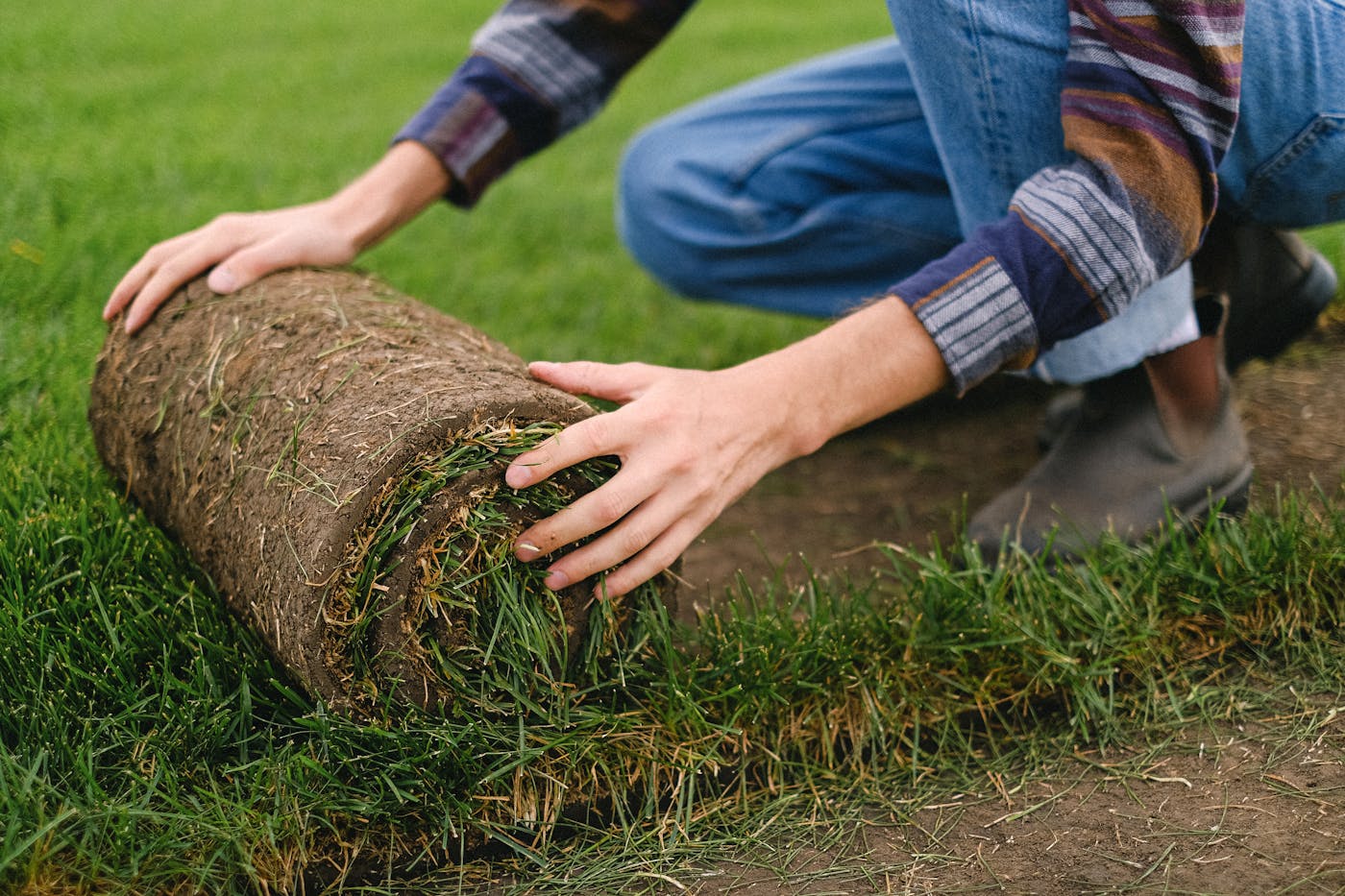
New lawn going in this fall? Sequence matters: sod first, roots down, then preemergent. See sod installation or run the numbers on our sod calculator. Established lawn with problems instead? Try the lawn problem diagnosis tool. Call (407) 674-2841.
Quick answer
Apply fall preemergent when evening soil temps approach 70°F (late September–October here), water in ~1/2 inch the same day, and keep it off new sod until roots are established (6–8 weeks post-install). One correct application beats two late ones. If weeds are already up, you need post-emergent, not preemergent — diagnose first with lawn problem diagnosis.
What fall preemergent actually stops
Preemergent forms a barrier in the top layer of soil that stops germinating seeds from establishing. In Central Florida it targets winter annuals: Poa annua (the lime-green clumps in February), chickweed, henbit, and lawn burweed (the spring stickers). It does not kill anything already growing, does not stop perennial weeds like dollarweed or sedges, and does nothing against chinch bugs or fungus — the other two fall lawn killers. Know which enemy you have: brown spots in September are usually fungus or chinch, not a preemergent failure. Our summer chinch-bug watch covers the insect side.
The calendar
Early September: prep, don’t apply (usually)
Soil is still hot — typically mid-70s and up in the evenings. Use this window to soil-test, fix drainage low spots, and finish any sod projects so they root before the preemergent window. If you are installing sod, early September is ideal timing: roots down by mid-October, preemergent-safe by late October. Price the job with our install cost estimator.
Late September–mid October: the window opens
Start checking evening soil temps. When readings sit near 70°F for several days running, apply. For most Orlando-area lawns this lands in the first three weeks of October. Apply to dry grass, then water in about half an inch the same day — our afternoon storms may do it for you, but don’t count on them; run the watering schedule to confirm the zone actually delivered.
Late October: the safe middle
If you only remember one fortnight, make it this one. Soil temps are right across nearly the whole corridor, and you are still ahead of peak Poa germination. Split-application programs put their second half down now.
November: late but not useless
A November application still catches late-germinating burweed and chickweed. It is weaker on the earliest Poa flush, so pair it with a plan to hand-pull or spot-spray winter breakthrough rather than expecting a clean February.
December and after: stop
Germination has happened. Switch to identification and post-emergent spot treatment — more preemergent now just loads the soil for no benefit.
Prodiamine vs dithiopyr vs granular combos
- Prodiamine: the long-residual workhorse. Handles our warm, long fall better than most — the barrier holds while soil cools slowly. No early post-emergent activity, so timing matters more.
- Dithiopyr (Dimension): slightly shorter residual here but kills very young crabgrass on contact, which forgives a slightly late application. Good pick if you are a week behind.
- Granular weed-and-feed combos: convenient but compromised — the fertilizer pushes a growth flush right when St. Augustine should be hardening off, and the rate that feeds correctly often under-doses the barrier. If you use one, apply for the barrier timing, not the feeding timing.
Whatever you choose, calibrate the spreader. The number-one cause of “preemergent didn’t work” is a spreader throwing 60% of label rate on one pass and 140% on the overlap.
The three mistakes that waste the application
1. Applying to new sod
Preemergent blocks root establishment — that is literally its job. Fresh sod needs 6–8 weeks and at least two mowings before it sees a barrier. Installing in October? Your preemergent waits until December, and you accept a weedier February as the tradeoff. Never flip the order.
2. No water-in
An un-watered barrier sits on the thatch and photodegrades. Half an inch the same day moves it into the soil. If your irrigation has dry corners, those corners germinate weeds on schedule while the rest stays clean — the classic polka-dot failure. Check coverage with the watering schedule tool first.
3. Treating the wrong enemy
Preemergent prevents winter annuals. It does not fix brown patch (fall’s real turf disease), chinch bugs (active into October), or sedges. A lawn that looks bad in September needs diagnosis, not prevention — run lawn problem diagnosis before you buy anything.
Watering after application
Keep the normal fall schedule: deep and infrequent as nights cool, backing off as growth slows. Soggy soil breaks barriers down faster and invites the brown patch that fall is famous for. If the yard holds water, fix drainage before you blame the product — try the drainage risk checker.
FAQ: fall preemergent in Central Florida
When do I apply fall preemergent in Central Florida?
When evening soil temps approach 70°F — late September through October around Orlando and Kissimmee, with late October the safest single fortnight. Water in half an inch the same day.
What weeds does fall preemergent stop?
Winter annuals: Poa annua, chickweed, henbit, and lawn burweed. It does not kill existing weeds, perennials like dollarweed and sedges, insects, or disease.
Can I apply preemergent on new sod?
Not until rooted and mowed twice — 6–8 weeks after install. Sequence sod first, preemergent second. Call (407) 674-2841 to time an install inside the fall window.
How much does professional application cost?
Far less than a re-sod. For full-lawn rescue or replacement pricing, see sod installation or call (407) 674-2841.